Understanding the Strawberry Calendar Across the Country
Strawberry season across most of the United States generally runs from late April through early July, with peak harvesting occurring during May and June. The exact timing depends entirely on your local climate, winter temperatures, and spring rainfall. Because strawberries are sensitive to soil temperature, a prolonged cold snap can easily delay the harvest by two or three weeks, while an early warm spell can trigger quick flowering and shorten the picking window.
Unlike supermarket varieties bred specifically for thick skins and long transit times, local field strawberries ripen on the vine and carry a significantly shorter shelf life. Once the plants begin producing fruit, a field typically stays in prime condition for about three to four weeks. June-bearing cultivars yield one heavy flush of fruit all at once, whereas everbearing or day-neutral types can produce smaller clusters sporadically throughout the summer if temperatures do not become excessively hot.
If you are planning an outing to harvest your own berries, watching regional weather patterns provides the clearest indication of harvest readiness. Checking field reports from local growers starting in mid-spring helps you catch the beginning of the crop before the fields become picked over. Growers usually announce opening days just forty-eight hours in advance once the first major flush shows full color across the rows.
Regional Differences from Southern Winters to Northern Summers
The timing of the strawberry harvest varies drastically depending on your geographic zone. In subtropical climates like southern Florida and parts of the Gulf Coast, strawberry season actually peaks in mid-winter, typically running from late November through March or April. Operations listed under U-Pick Farms in Florida often welcome visitors while northern states are still dealing with freezing ground conditions.
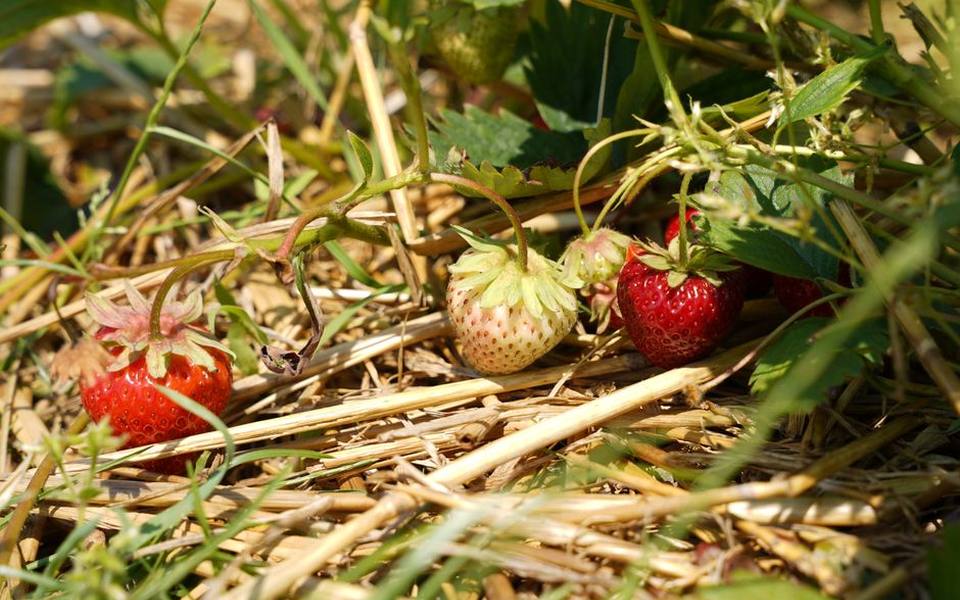
Central and Southern California benefit from a mild coastal marine layer that allows commercial and family fields to produce fruit nearly year-round, with peak yields hitting between April and July. Growers listed among U-Pick Farms in California frequently maintain productive rows well into late summer because moderate coastal breezes prevent the heat stress that causes strawberry plants to shut down production.
In contrast, the Midwest, mid-Atlantic, and Pacific Northwest wait until late spring for their first harvest. In states like Pennsylvania and Ohio, picking rarely starts before late May, and in cooler northern regions like Wisconsin or northern New England, peak picking often lands in mid-June to early July. Understanding where your local agricultural zone sits prevents arriving at an orchard weeks before the fruit has turned.
Finding Reliable Picking Locations Close to Home
Finding an active patch nearby requires checking regional agricultural networks and verified grower directories rather than relying on generalized web searches. When searching for local farms, consulting a dedicated state-by-state resource such as our Pick Your Own Farms and Orchards directory helps confirm which operations currently offer public row access. Many small family patches do not maintain full websites, relying instead on morning voice messages or social updates to announce daily row openings.
Before loading into the car, always call the farm or review their morning status bulletin. Heavy rain, unexpected heatwaves, or high weekend foot traffic can force an orchard to close rows unexpectedly for ripening periods of forty-eight hours. Arriving without checking can leave you facing closed gates or stripped rows that will not yield quality fruit until new blossoms mature.
Take note of whether the farm charges an admission fee, provides picking flats, or requires you to bring your own clean containers. Most commercial patches require you to weigh your containers at the farm stand before heading down the rows so the tare weight can be subtracted from your final purchase at the scales.
Recognizing Truly Ripe Berries on the Plant
Selecting good fruit starts with understanding that strawberries do not continue to ripen or sweeten after they are detached from the plant. Unlike bananas or peaches, strawberries cease sugar production the second the stem is broken. If a berry displays a pale yellow shoulder, green tip, or white ring near the calyx, it will stay tart and firm rather than developing sweet strawberry flavor on your counter.
Look for fruit that has developed a rich, uniform crimson or dark scarlet shade across the entire surface, right up to the green leaves at the crown. The berry should have a natural, glossy sheen and yield slightly to gentle fingertip pressure without feeling mushy. A dull exterior often signals overripe fruit that is already starting to break down internally and will spoil within hours of leaving the field.
Aroma serves as an equally reliable indicator of peak quality in the field. When a patch is at its prime, simply bending over the strawberry plants will release a sweet, fragrant aroma. If you inspect a plump, deeply colored berry and it produces zero noticeable scent, it may have received too much recent irrigation, resulting in watery, diluted fruit rather than concentrated sweetness.
Field Techniques for Clean and Gentle Harvesting
Harvesting berries correctly protects both the delicate fruit and the perennial plants that must continue producing throughout the season. Never pull directly on the fruit body, as tugging often tears the skin, leaves the leafy crown attached to the runner, and crushes the tender flesh inside your fingers. Any bruised skin rapidly invites mold growth and leakage inside your bucket.
Instead, locate the stem roughly one-half inch above the green cap. Grasp the thin stem between your thumbnail and index finger, apply a gentle pinch, and twist your wrist sideways in a snapping motion. The stem will sever cleanly, leaving the green calyx intact on the berry. The intact stem acts as a natural seal that keeps air and bacteria from invading the pulp.
Lay each harvested piece gently into your container rather than dropping it from several inches up. Deep five-gallon buckets are poorly suited for tender berries because the cumulative weight of the upper fruit will crush the bottom layer into juice. Shallow wooden flats, cardboard trays, or wide baskets that keep the fruit no more than two or three layers deep produce the best results.
Strawberry Festivals and What Admission Usually Costs
Community strawberry festivals mark the height of harvest across agricultural towns, bringing together local growers, dessert booths, and family entertainment. When planning to attend one of these seasonal celebrations, visitors frequently wonder what ticket prices look like. In most communities, general admission is relatively affordable, typically ranging from free entry up to twenty dollars per person, depending on whether the festival features live music, carnival attractions, or farm park amenities.

Many traditional rural festivals charge zero general admission fees, choosing instead to collect parking fees typically between five and fifteen dollars per vehicle. Others charge a modest walk-in gate fee for adults while allowing young children in without charge. However, tickets for carnival rides, craft workshops, or farm tours are usually sold separately inside the grounds.
Keep in mind that purchasing festival entry rarely includes the cost of fruit or bakery treats. Freshly picked flats, warm shortcakes, homemade preserves, and entry to dedicated picking rows operate on separate pay-as-you-go pricing. Checking event schedules in advance allows you to book early-bird passes, which occasionally bundle parking passes with meal vouchers or discounted berry baskets.
Transporting and Storing Your Harvest at Home
Once you bring your flats home, keep them out of direct sunlight and avoid leaving them in a hot car trunk while running other errands. Heat causes the natural sugars to ferment and accelerates moisture loss, causing berries to wrinkle quickly. Plan to unpack your harvest as soon as you step into the kitchen, sorting through the flats to remove any overripe or damaged fruit.
Resist the temptation to wash your entire harvest at once. Strawberries act like tiny sponges that absorb surface moisture, which accelerates fungal growth and gray mold within twenty-four hours. Store unwashed berries in shallow, breathable containers lined with paper towels inside your refrigerator crisper drawer, keeping humidity levels balanced while allowing gentle airflow around the stems.
When stored cold and unwashed with green caps intact, freshly picked fruit generally maintains peak quality for five to seven days. Only rinse your berries under cool tap water immediately before eating, slicing, or baking. For long-term storage, hull dry berries, place them in a single layer on a parchment-lined baking sheet in the freezer until solid, and transfer them into heavy vacuum-sealed bags.
Planning Farm Visits as the Harvest Shifts Later in the Year
As spring blends into summer, strawberry seasons draw to a close across northern fields, signaling the arrival of the next seasonal harvests. Growers transition quickly from low-lying berry rows to mid-summer crops. Visiting U-Pick Blueberry Farms and Orchards provides a natural follow-up trip in late June and July, where high-bush varieties offer easy standing picking throughout midsummer.
Farm schedules continue evolving as late summer turns into autumn, shifting family outings toward tree fruit, pumpkins, and seasonal agritourism activities. In states like New York and Michigan, orchards that started the year with berries transform their grounds into comprehensive harvest centers complete with cider presses, wagon rides, and farm-fresh produce stands.
By September and October, many operations incorporate elaborate family entertainment options, including Farm Destinations with On-Site Corn Mazes alongside late-season apple orchards. Learning how crop calendars dovetail throughout the growing season helps families schedule regular harvest excursions from the earliest May blossom through the final crisp days of October.
Choosing the Best Orchard Apples for Homemade Pies
When autumn arrives and you head out to pick your own tree fruit, selecting the right varieties determines the success of homemade pies and crisps. A great baking apple must retain its cellular structure under oven heat rather than collapsing into watery applesauce, while balancing bright natural acidity against the brown sugar and cinnamon in your filling.
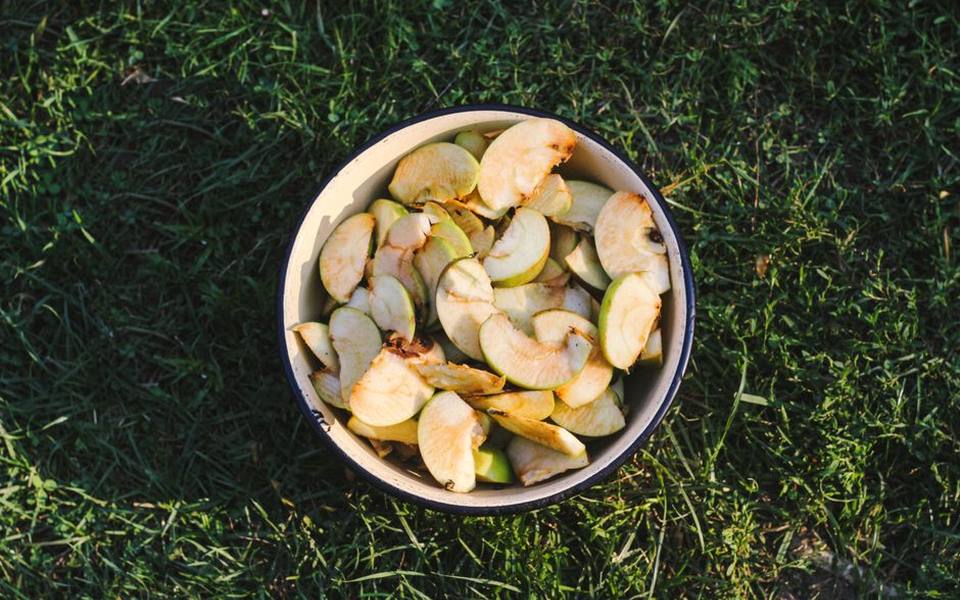
Traditional single-variety favorites include Granny Smith for assertive, sharp tartness and exceptional firm texture that refuses to turn mushy during an hour-long bake. For a sweeter profile with dense flesh, Honeycrisp and Braeburn perform reliably, lending crisp texture and clean sweetness. Heritage favorites like Northern Spy, Cortland, and Rhode Island Greening remain regional baker favorites across eastern orchards.
The best results generally come from blending two or three complementary varieties in a single pie pan. Pairing a dense, tart cooking apple with a softer, aromatic variety creates complex flavor and varied bite. For instance, combining Granny Smith with firm Gala or Honeycrisp provides both sturdy structural integrity and a rounded, honeyed cider taste that stands out in the finished crust.
Simple Methods to Keep Sliced Fruit from Turning Brown
Whether preparing apples for an afternoon pie, packing school snacks, or laying out fruit platters, oxidation poses a common kitchen challenge. When an apple is sliced, an enzyme called polyphenol oxidase reacts with ambient oxygen, creating melanin pigments that turn exposed pale flesh into an unappealing dull brown color within ten to fifteen minutes.
The easiest and most reliable kitchen defense is a quick salt-water soak. Dissolving one-half teaspoon of regular kosher salt in one quart of cool water creates an effective enzyme inhibitor. Submerge your freshly cut slices in the salt bath for five to eight minutes, then lift them out, drain them thoroughly, and store them. Slices treated this way will not taste salty after a quick tap-water rinse and will stay pale for hours.
Citrus-based solutions provide another effective alternative, particularly when baking dessert fillings where a hint of lemon complements the spice mix. Tossing cut pieces in a bowl containing one tablespoon of fresh lemon juice diluted with a cup of cold water lowers surface pH, neutralizing the browning enzymes. Storing treated slices in an airtight glass container inside the refrigerator keeps them crisp and clean for days.
Published 2026-09-20 · reviewed with each rebuild, last September 2026.
Find u-pick farms near you
The directory lists 3,339 u-pick farms by state and city — pick your state or use the “Near me” button in the header.
More guides
-
 Buying
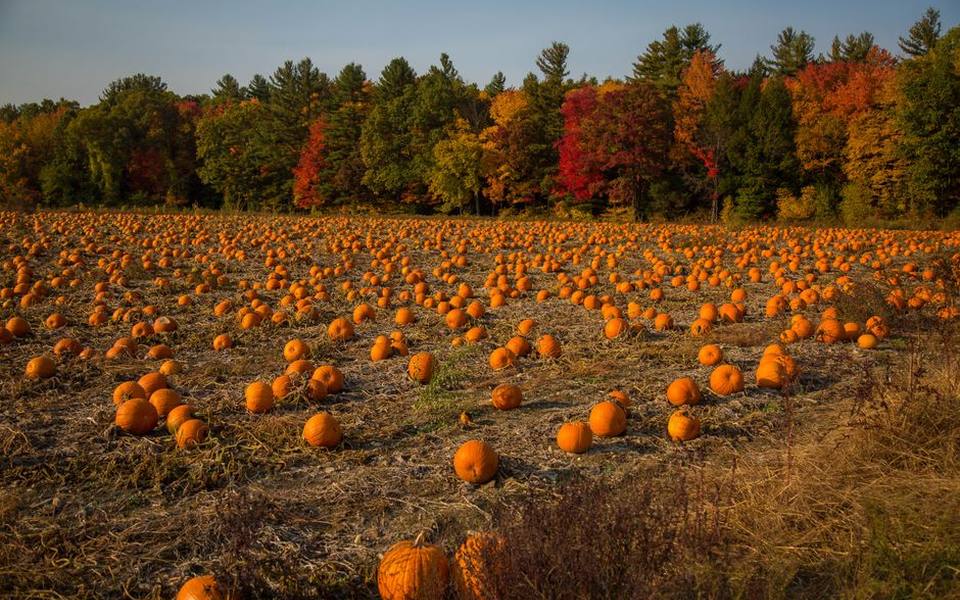
Pumpkin Patch Visitor Guide: Opening Dates, Pricing, and Selection Tips
-
 Buying
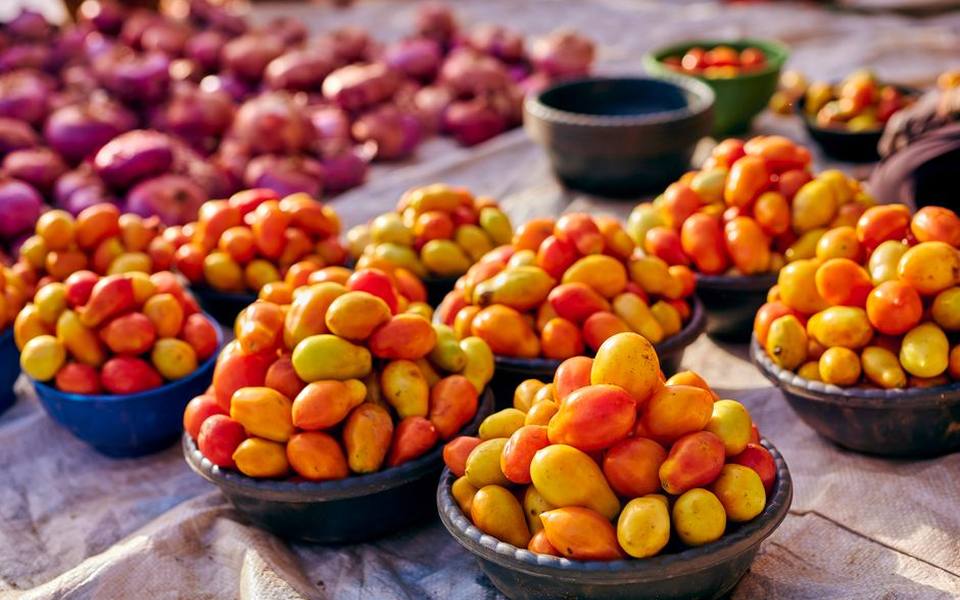
How to Pick Ripe Produce: Melons, Roots, Citrus, and Greens
-
 Storage
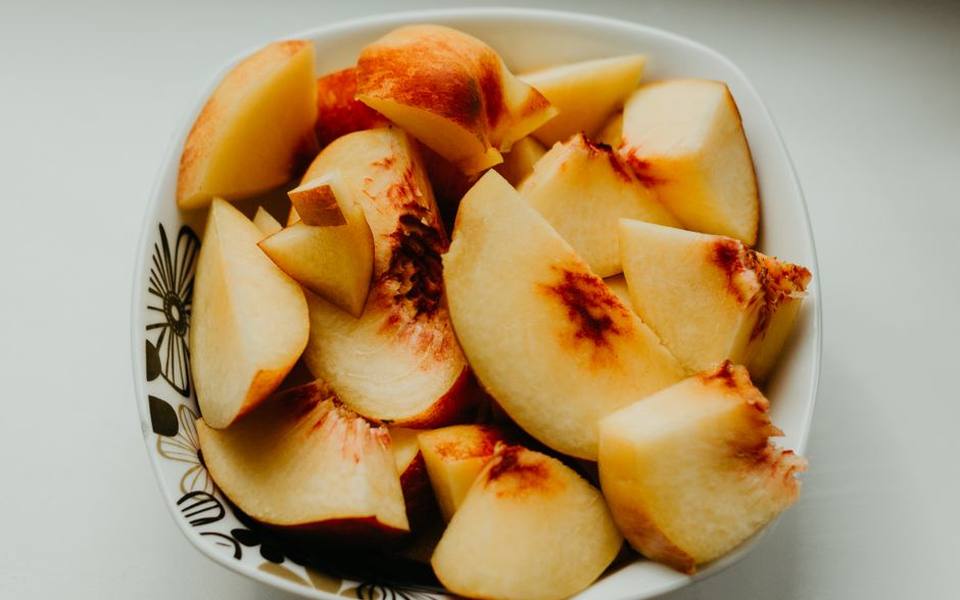
How to Peel and Preserve Fresh Peaches: Blanching, Freezing, and Variety Tips
-
 Buying
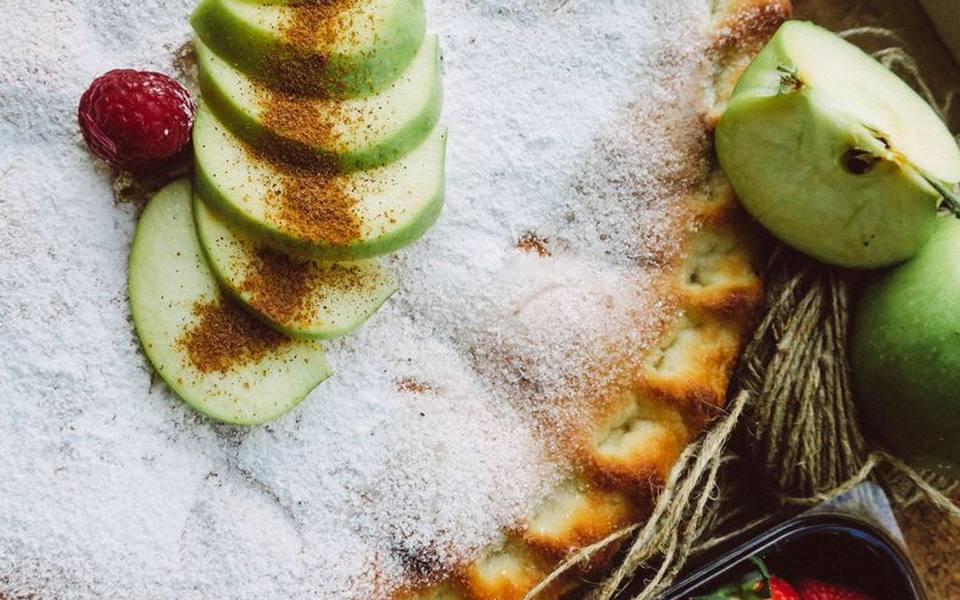
Best Apples for Baking Pies and Cakes: Crispness and Flavor Guide
-
 Buying
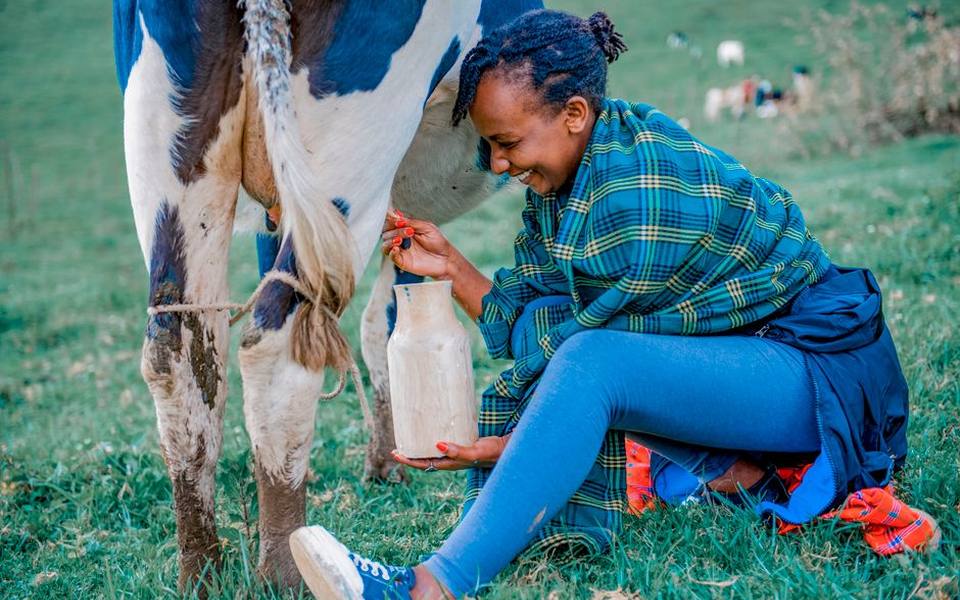
What Is Raw Cow Milk? Benefits, Safety Rules, and Sourcing
-
 Buying
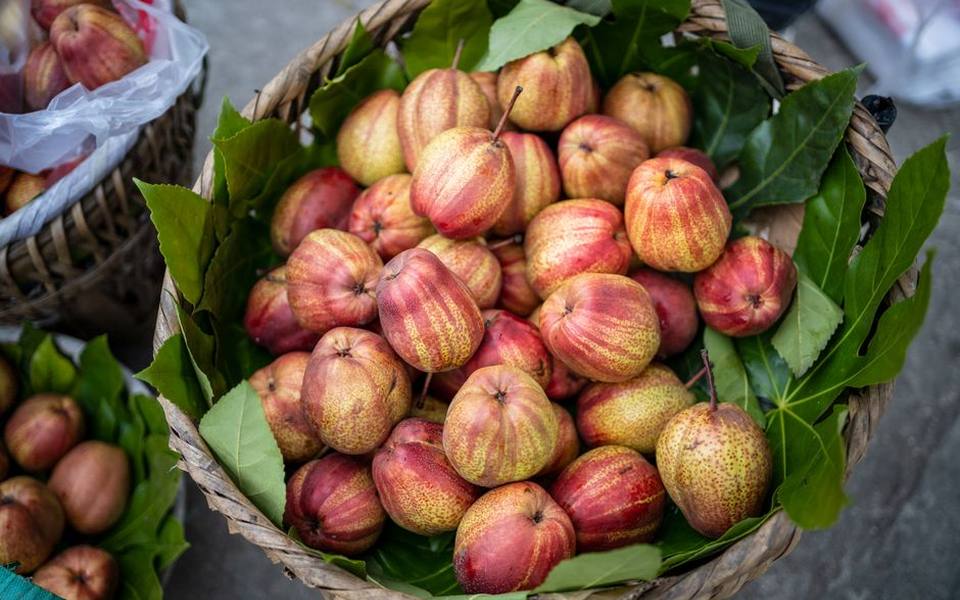
Apple Picking Guide: Bushel Measurements, Costs, Storing, and Washing
-
 Money
MoneyBlackberry Farm Pricing Guide: Costs, Accommodations, and Seasonal Farmstead Skills
-
 Buying
A Guide to Shopping Local Farmers Markets, Farm Stands, and CSA Boxes
-
 Buying
Apple Orchard and Cider Mill Guide: U-Pick Apples, Cider, and Fall Treats
-
 Buying
Fall Agritourism Guide: Corn Mazes, Pumpkin Patches, and Autumn Festivals
-
 Buying
U-Pick Flower Fields: Guide to Tulips, Lavender, Sunflowers, and Dahlias
-
 Buying
Agritourism Experiences: Goat Yoga, Farm Stays, and Rustic Barn Venues
-
 Owning
Seasonal Guide to U-Pick Berries and Fruit Orchards: Cherries, Berries, and Peaches
-
 Buying
Fall Agritourism Guide: Pumpkin Patches, Corn Mazes, and Harvest Festivals
-
 Owning
On-Farm Floral Workshops and Flower Arrangement Classes Guide
-
 Owning
A Complete Guide to U-Pick Fruit Orchards: Berries, Stone Fruit, Citrus, and Vines
-
 Buying
Honey Farm Visits, Local Apiaries, and Raw Honey Buying Guide
-
 Owning
Comprehensive Guide to Fresh Apples, Cider Pressing, and Canning Recipes
-
 Owning
Livestock Feeds and Feeding Equipment Selection Guide
-
 Owning
Fruit Picking Guide: U-Pick Orchards and Harvest Tools
-
 Buying
Flower Farm Guide: U-Pick Fields, Fresh Bouquets, and Workshops