Planning Your Farm Visit Around Harvest Calendars
Heading out into the field to harvest fresh berries and tree fruit requires precise timing because ripening windows are surprisingly narrow. Unlike grocery store produce bred for shelf stability, farm-ripened crops peak over just two to three weeks depending on local spring weather patterns. If an early heatwave arrives, fruit can mature days ahead of historic averages, while unseasonal rain can easily delay or even crack sensitive crops.
Before loading up the car, checking the current status of fields is essential. Working growers update their social media pages and daily crop hotlines every morning to report which rows are open and how heavily picked the branches are. Planning a visit earlier in the morning helps you beat both the midday heat and the rush of weekend crowds, ensuring you get access to untouched fruit.
Across the country, growers manage everything from small patch operations to sprawling agritourism destinations. Browsing pick-your-own orchards and farms gives you a reliable sense of what crops are maturing in your corner of the state before you travel.
Picking Sweet and Tart Cherries Directly from the Branch
Sweet cherries like Bing, Rainier, and Lapins mature anywhere from late May through early July, depending on latitude and microclimate. When you visit a sweet or sour cherry orchard, look for fruit that has developed its full deep hue, as pale shoulders mean the fruit was shaded or pulled before reaching its peak natural sugar content. Unlike bananas or tomatoes, cherries will not continue to ripen or sweeten after they leave the tree.
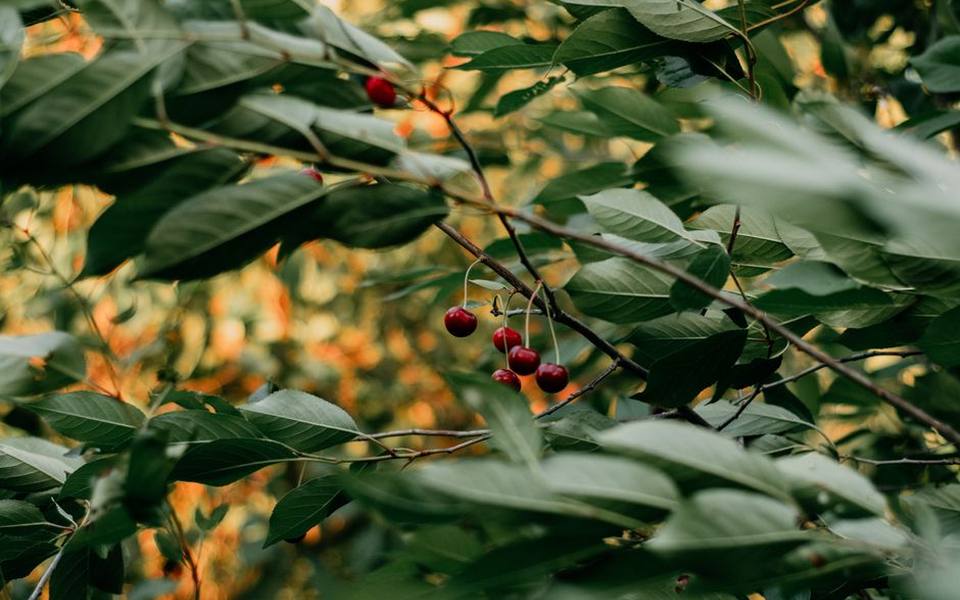
Proper harvest technique protects both the fruit and the tree's health for next summer. Grasp the stem firmly near the branch spur and roll it upward; the stem should separate cleanly without tearing the bark or leaving the pit behind. Ripping the fruit directly off the stem exposes the flesh to air and wild yeast, which causes it to turn soft and moldy within a day or two.
Growers spend years pruning trees to keep fruiting wood within human reach, but higher branches often carry the largest fruit. Most commercial patches prohibit visitors from bringing personal ladders or climbing limbs due to liability rules. Stick to fruit accessible from the ground or use the orchard's approved, stable step platforms if provided.
Blueberry Field Technique and Handling Sensitive Bushes
A visit to harvest fresh highbush berries is one of the easiest outings for families because the plants are thornless and bear fruit at eye level. Finding deep clusters of fruit means looking beneath the leaves, where shaded berries develop a natural dusty white coating known as bloom. This bloom is an organic wax produced by the plant that preserves moisture and protects the delicate skin from insects.
To gather ripe fruit quickly, gently roll your thumb across a cluster directly over your bucket. Ripe berries detach instantly with minimal pressure, while underripe fruit with pink or green stems remains stubbornly attached to the wood. Tugging hard on a cluster will pull unripe berries that taste sour and woody, and these will never sweeten in your kitchen.
From historical growing hubs in the Pine Barrens of the mid-Atlantic to the Pacific Northwest, blueberry acreage spans diverse soils that require precise acid balances. Visiting dedicated u-pick blueberry patches lets you experience specific cultivars ranging from early-season Duke to late-season Elliott.
Once harvested, never wash your berries until right before you plan to eat or freeze them. Introducing tap water into the container washes away the natural protective bloom and traps moisture against the skin, accelerating decay in the refrigerator.
Navigating Thorny Brambles and Trailing Blackberries
Blackberry season generally kicks off in mid-summer and stretches into late August. Wild brambles are notorious for sharp thorns, but many modern farms now plant erect, thornless cultivars that make walking the rows far more pleasant. If you visit an older patch or one with trailing varieties, wearing sturdy denim jeans, closed-toe boots, and long sleeves is practical armor against scratches.
Unlike raspberries, which slip free and leave a hollow core on the bush, blackberries retain their central receptacle when picked. A ripe blackberry turns from shiny patent-leather black to a slightly matte, plump finish and drops into your hand with almost no resistance. If you have to yank on the fruit, leave it alone; that berry is still sour and holding onto its stem.
Because bramble fruit is soft and contains high water content, containers matter greatly. Shallow flat cardboard flats prevent the weight of upper layers from crushing the bottom berries into juice under the summer sun. Keep your filled containers tucked under the shade of the bushes while you finish filling the flat.
Tree-Ripened Peaches and Regional Stone Fruit Traditions
A peach picked directly from the branch offers an intense aroma and sweetness that grocery store fruit simply cannot match. Commercial supermarket fruit is routinely gathered hard and green so it survives long-distance shipping without bruising. At an open orchard, you can wait until the ground color behind the red blush transitions completely from lime green to warm gold or creamy yellow.
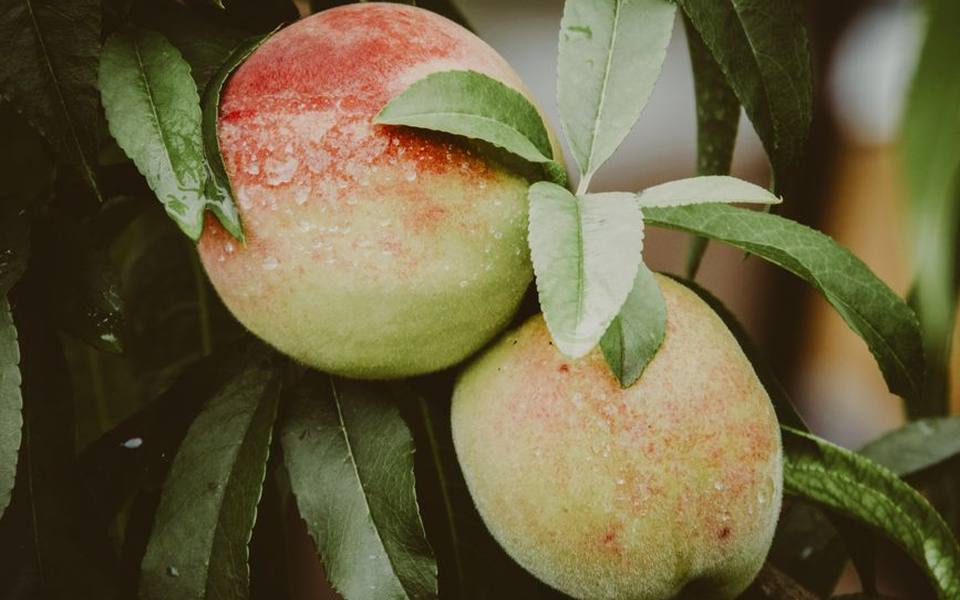
To pick a tree-ripened peach, cup the fruit gently in the palm of your hand rather than digging your fingertips into the flesh. Twist gently upward; ripe stone fruit yields quickly with minimal torque. Squeezing a peach on the branch to test for softness creates immediate bruising that darkens into a brown, mushy spot within hours of driving home.
Regional traditions define stone fruit culture across America. From the historic mountain orchards near Julian in southern California to the storied roadside markets across the Southeast, local microclimates shape harvest windows. Travelers driving through southern corridors often stop at famous farm stands to purchase freshly gathered baskets and peach ice cream during peak July harvests.
Celebrating Spring Strawberry Harvests and Farm Festivals
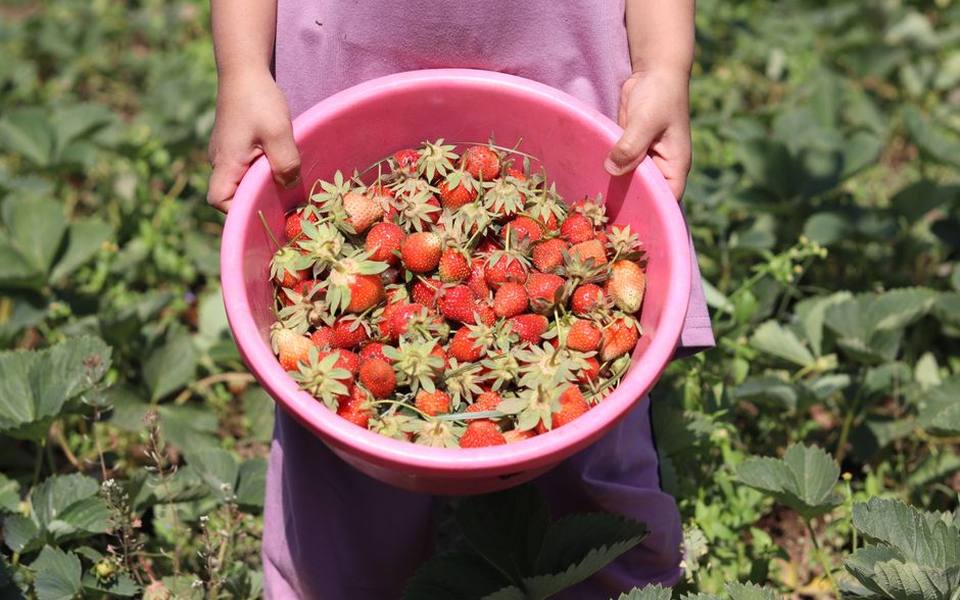
Strawberries represent the official opening of the open-air harvesting season, kicking off as early as late winter in mild southern regions and rolling through late June up north. Because plants grow low to the ground along raised plastic beds, harvesting requires careful foot placement to avoid trampling runner vines and crushing developing green fruit in the straw mulch between rows.
Spring harvest peaks often coincide with town-wide celebrations and agricultural fairs. In sunny coastal areas, festive community weekends celebrate local strawberry yields with parades and cooking contests, attracting crowds who explore pick-your-own operations in California. Similar traditions thrive in central southern communities, where annual strawberry festivals highlight farm heritage alongside fresh flats.
Always harvest strawberries by pinching the stem between your fingernails roughly a quarter-inch above the berry's green cap. Pulling the berry away from the calyx tears the flesh open, inviting bacteria and causing the fruit to soften rapidly before you can process it into jam or shortcake.
Field Manners, Farm Pets, and Children Safety
Working farms welcome visitors into active agricultural production zones, which makes basic field safety and respect a high priority. Always check in at the welcome shed before heading into the fields to learn which specific rows are open. Wandering into roped-off sections damages rows scheduled for future groups or fields that recently received natural crop treatments.
While many travelers love taking their dogs on weekend outings, most food safety regulations strictly prohibit outside pets in produce rows to prevent contamination. Unless an animal is an official service dog, it is best to leave pets comfortable at home rather than leaving them in a hot vehicle in the orchard parking lot.
Keep a close eye on young children among high bushes and fruit trees. Instruct kids not to pull on fragile branches, shake trunks, or toss unwanted fruit on the ground. When children participate in gathering, showing them how to inspect a single fruit before detaching it prevents waste and keeps the orchard healthy for everyone.
Transporting and Preserving Your Fresh Harvest
Your hard work in the field can spoil quickly if you do not protect your harvest during the ride home. Never stack soft berry containers on top of each other, and avoid placing warm fruit in a sealed trunk where temperatures can quickly exceed a hundred degrees. Placing containers on the floorboard of an air-conditioned vehicle keeps air circulating and halts heat stress.
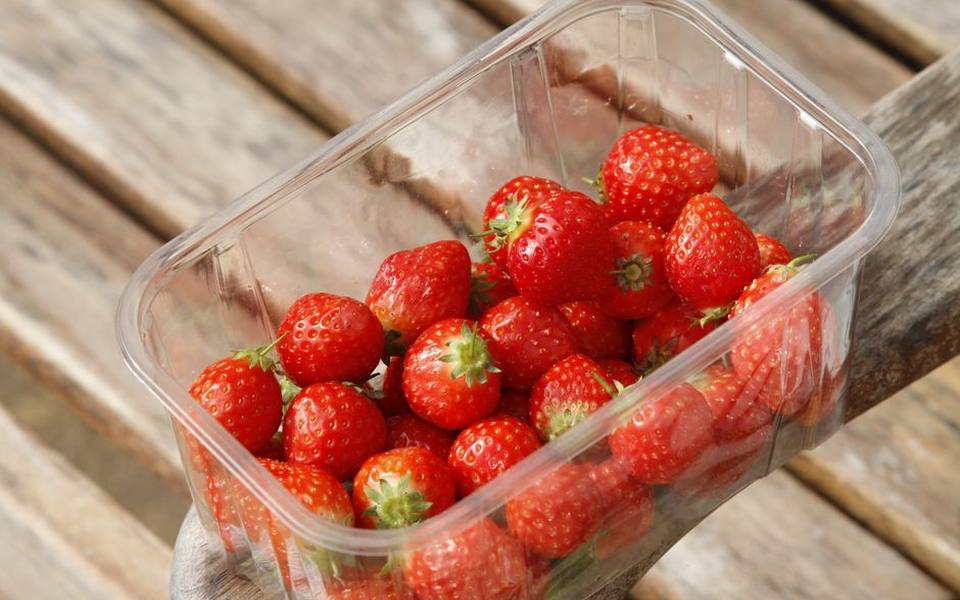
Bringing a cooler loaded with ice packs is a smart habit for long drives, but never set fragile berries directly against damp, melting ice. Lay a dry towel or cardboard layer between the cooling packs and your fruit flats to prevent condensation from soaking into the packaging.
When you arrive home, spread berries out in single layers on paper towels inside shallow storage containers. Refrigerate immediately, leaving the lid slightly cracked to prevent trapped moisture. If freezing fruit, wash and thoroughly dry berries, freeze them flat on a baking sheet until rock hard, then funnel them into airtight freezer bags.
Transitioning from Summer Berries to Fall Orchard Outings
As the dog days of August wind down, berry canes finish fruiting and orchard attention shifts toward late-season tree fruits and early autumn squash. Many family farms that welcome berry pickers in June and July transform their acreage as the leaves begin to turn, introducing fun seasonal attractions to extend the outdoor farm experience.
Mid-Atlantic and Midwestern operations often shift focus toward early gala apples, fresh cider presses, and pumpkin patches as the morning air turns crisp. Many of these established destinations combine late-season fruit picking with family activities, featuring family-friendly on-site corn mazes that keep visitors engaged across changing seasons.
Whether you are planning a trip to historic berry patches across the northern timberlands or checking out sprawling agricultural valleys, paying attention to local geography helps you build annual traditions. Exploring regional operations like u-pick farms in New Jersey allows you to connect with dedicated growers and enjoy authentic farm-fresh flavor year after year.
Published 2026-09-21 · reviewed with each rebuild, last September 2026.
Find u-pick farms near you
The directory lists 3,339 u-pick farms by state and city — pick your state or use the “Near me” button in the header.
More guides
-
 Buying
When Is Strawberry Season? Peak Months and U-Pick Picking Guide
-
 Buying
Pumpkin Patch Visitor Guide: Opening Dates, Pricing, and Selection Tips
-
 Buying
How to Pick Ripe Produce: Melons, Roots, Citrus, and Greens
-
 Storage
How to Peel and Preserve Fresh Peaches: Blanching, Freezing, and Variety Tips
-
 Buying
Best Apples for Baking Pies and Cakes: Crispness and Flavor Guide
-
 Buying
What Is Raw Cow Milk? Benefits, Safety Rules, and Sourcing
-
 Buying
Apple Picking Guide: Bushel Measurements, Costs, Storing, and Washing
-
 Money
MoneyBlackberry Farm Pricing Guide: Costs, Accommodations, and Seasonal Farmstead Skills
-
 Buying
A Guide to Shopping Local Farmers Markets, Farm Stands, and CSA Boxes
-
 Buying
Apple Orchard and Cider Mill Guide: U-Pick Apples, Cider, and Fall Treats
-
 Buying
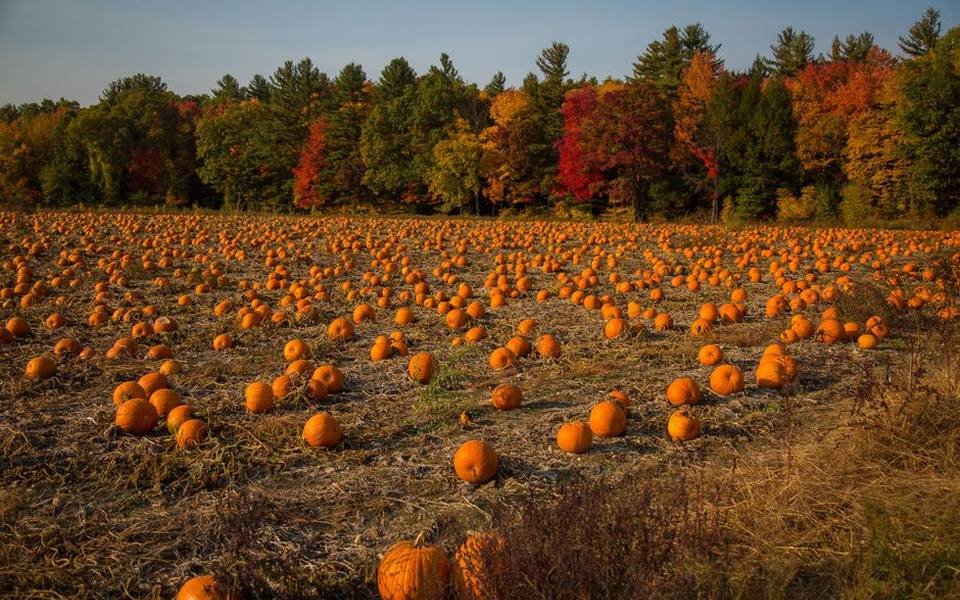
Fall Agritourism Guide: Corn Mazes, Pumpkin Patches, and Autumn Festivals
-
 Buying
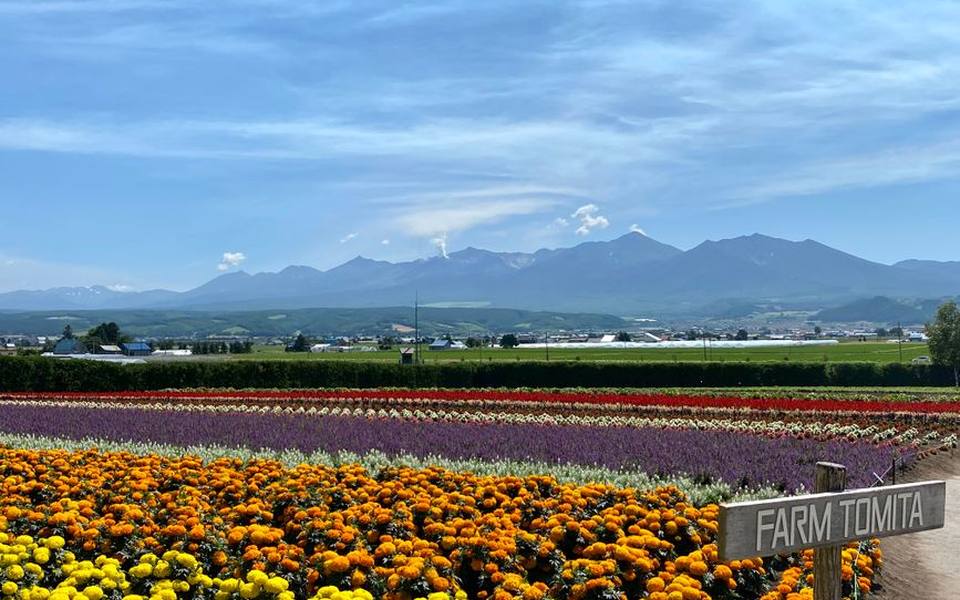
U-Pick Flower Fields: Guide to Tulips, Lavender, Sunflowers, and Dahlias
-
 Buying
Agritourism Experiences: Goat Yoga, Farm Stays, and Rustic Barn Venues
-
 Buying
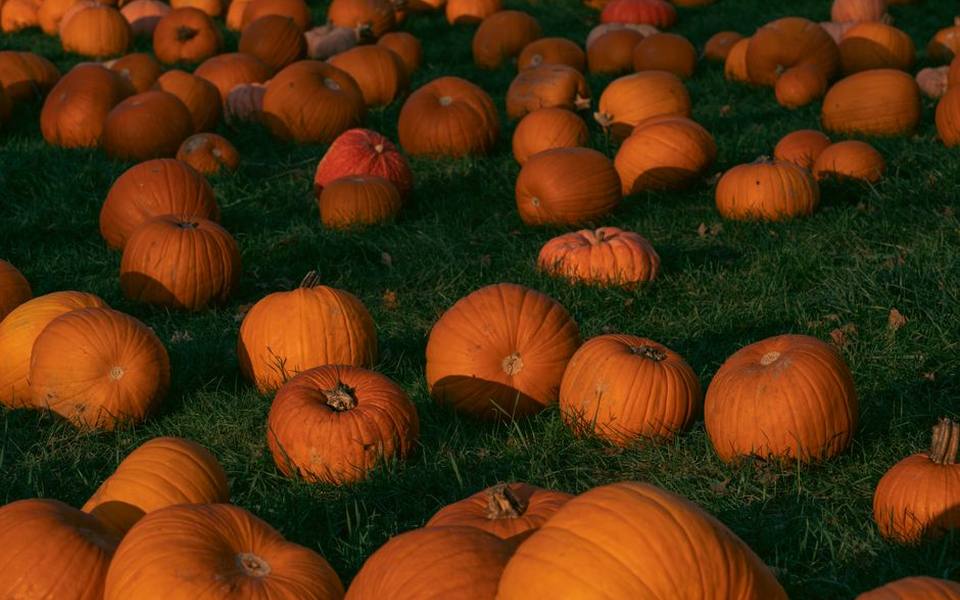
Fall Agritourism Guide: Pumpkin Patches, Corn Mazes, and Harvest Festivals
-
 Owning
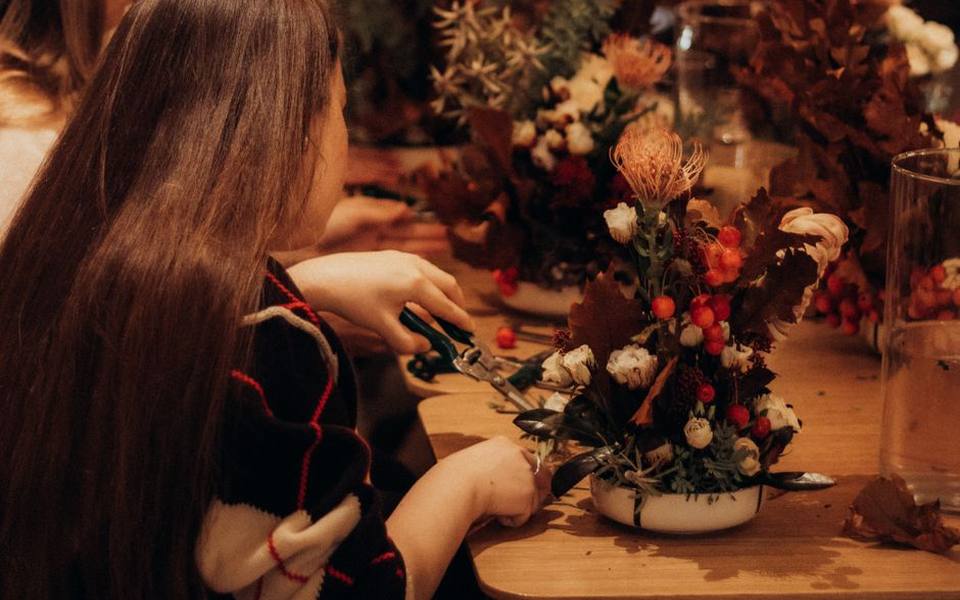
On-Farm Floral Workshops and Flower Arrangement Classes Guide
-
 Owning
A Complete Guide to U-Pick Fruit Orchards: Berries, Stone Fruit, Citrus, and Vines
-
 Buying
Honey Farm Visits, Local Apiaries, and Raw Honey Buying Guide
-
 Owning
Comprehensive Guide to Fresh Apples, Cider Pressing, and Canning Recipes
-
 Owning
Livestock Feeds and Feeding Equipment Selection Guide
-
 Owning
Fruit Picking Guide: U-Pick Orchards and Harvest Tools
-
 Buying
Flower Farm Guide: U-Pick Fields, Fresh Bouquets, and Workshops