How Direct-to-Consumer Produce Outlets Actually Work
Finding wholesome regional food nearby begins with understanding the difference between weekly community markets, stationary roadside counters, and large regional market halls. Weekly open-air gatherings typically assemble dozens of regional growers under tented stalls for a few morning hours on designated weekdays or weekends. By contrast, traditional roadside outposts remain fixed at the edge of active crop fields, offering daily seasonal harvests straight from the surrounding soil.
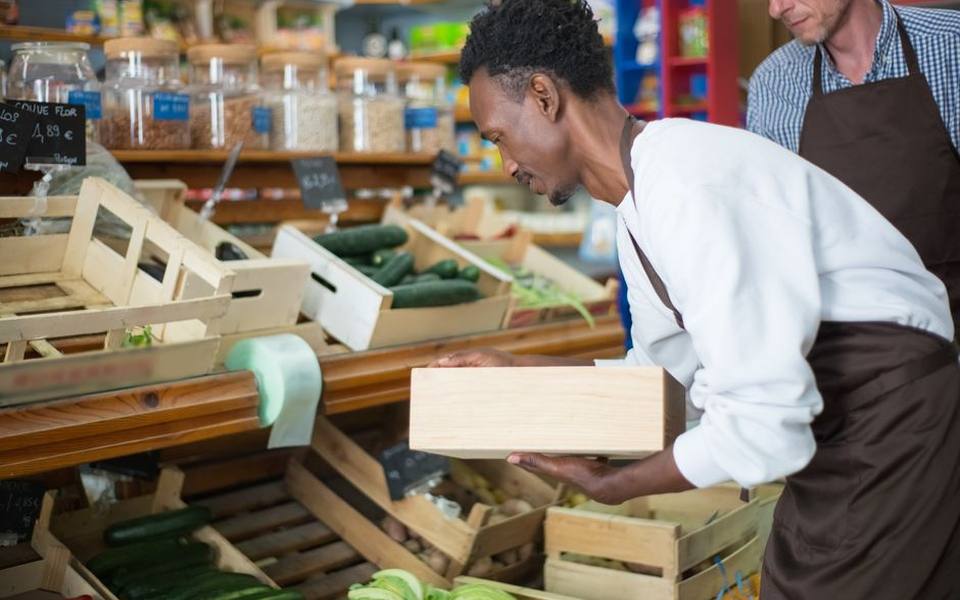
Indoor regional markets and sprawling grocery-style cooperatives provide a third path, combining homegrown staples with broader regional goods under one roof throughout the workweek. While open-air pop-ups rotate with the seasonal cycle, permanent destination stands maintain longer operating hours across multiple months. Deciding where to shop depends on whether you seek the energetic atmosphere of a weekend neighborhood market or the convenience of a permanent counter along your rural commute.
Before setting out, consider how the food travels from ground to basket. Direct sales eliminate long cold-chain distribution networks, meaning greens, stone fruits, and roots retain their natural moisture and aroma far longer than standard supermarket items. Shopping direct also establishes a reliable bridge between everyday household cooking and the working rhythms of regional agriculture.
Tracking Down Authentic Growers in Your County
Locating dependable local sellers requires looking beyond generic grocery store signs and mapping genuine farming hubs across your area. Municipal parks, civic plazas, and historic town centers serve as classic venues where civic organizers manage seasonal gatherings. Exploring regional grower databases like our national farm directory helps pinpoint operations offering direct retail sales right beside their fields.
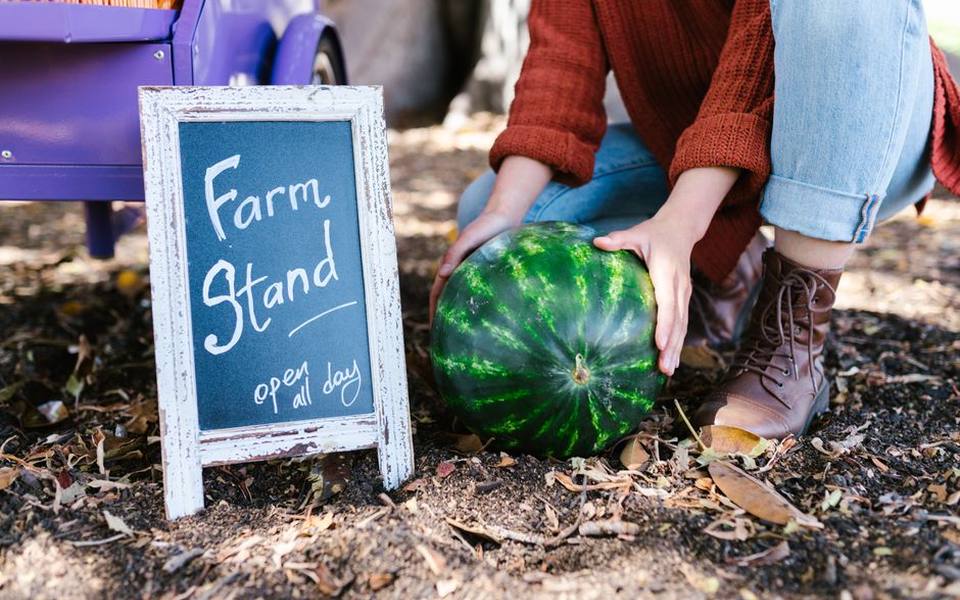
County agricultural extension offices and rural chamber boards frequently maintain printable directories detailing which properties operate permanent roadside sheds. Keep an eye out for hand-painted roadside boards along state routes, which often mark small family homesteads selling surplus squash, eggs, or berries that never make it to formal city auctions. These low-key stops often deliver exceptional freshness at fair farmgate pricing.
Word of mouth among backyard gardeners and neighborhood cooks is another reliable indicator of genuine harvest hubs. Experienced shoppers generally know which family specializes in heirloom sweet corn, who operates the cleanest cold-storage walk-in, and which nearby valley yields the earliest tender lettuces of late spring.
Understanding the Produce Stand Spectrum
Farm retail spaces range widely in scope, from bare unstaffed wagons operating on cash honors to full-service destinations with bakery kitchens and bulk pantry aisles. Many celebrated midwestern operations, including traditional rural stops in Ohio farm country, feature sprawling open-air sheds stocked with field-picked sweet corn, freshly pressed cider, and locally made fruit preserves.
On the East Coast, Dutch country markets and traditional mid-Atlantic market halls gather multi-generation growers, butcher stalls, and dairy makers under shared roofs. These multi-vendor emporiums typically operate on fixed schedules, such as Thursday through Saturday, creating a one-stop destination for scratch-made staples, cured meats, and cool-cellar root crops.
Farther south, expansive roadside markets across the Sunbelt blend fresh local harvests with specialty items, citrus, and regional dry goods. Exploring destinations like the classic agricultural stops in Florida farm country shows how year-round growing seasons support extensive retail counters featuring everything from freshly pulled winter greens to early-season berries.
What to Bring and How to Prepare for the Market Run
A successful morning at the stalls starts with sensible gear. Pack sturdy canvas totes, a few wide-bottomed insulated bags, and a handful of washable mesh produce sacks so your delicate salad greens do not crush ripe tomatoes. If your drive home takes longer than half an hour on a warm day, tucking a couple of reusable ice packs into a cooler keeps pasture-raised meats and dairy safe.
While many modern stallholders accept contactless phone payments and chip cards, bringing small bills remains a polite and practical courtesy. Having singles and fives speeds up rapid transactions when lines form around prized melon crates, and small bills allow you to pay precise totals without exhausting a grower's change box early in the morning.
Timing dictates your market experience. Arriving during the opening hour guarantees first pick of delicate items like wild mushrooms, heirloom raspberries, and fragile salad blends that sell out fast. Conversely, wandering through stalls near closing time may yield generous bulk offers on quick-ripening items, though choices become noticeably picked through.
Distinguishing Genuine Local Crops from Wholesale Resale
Not every crate displayed under a tent originated in the surrounding county, making visual literacy valuable for conscious shoppers. In many regions, wholesale terminal markets supply regional produce merchants who set up alongside genuine dirt-under-the-fingernails farmers. Checking crate markings, cardboard printing, and individual fruit stickers reveals whether an item traveled from a field five miles away or a commercial distributor thousands of miles away.
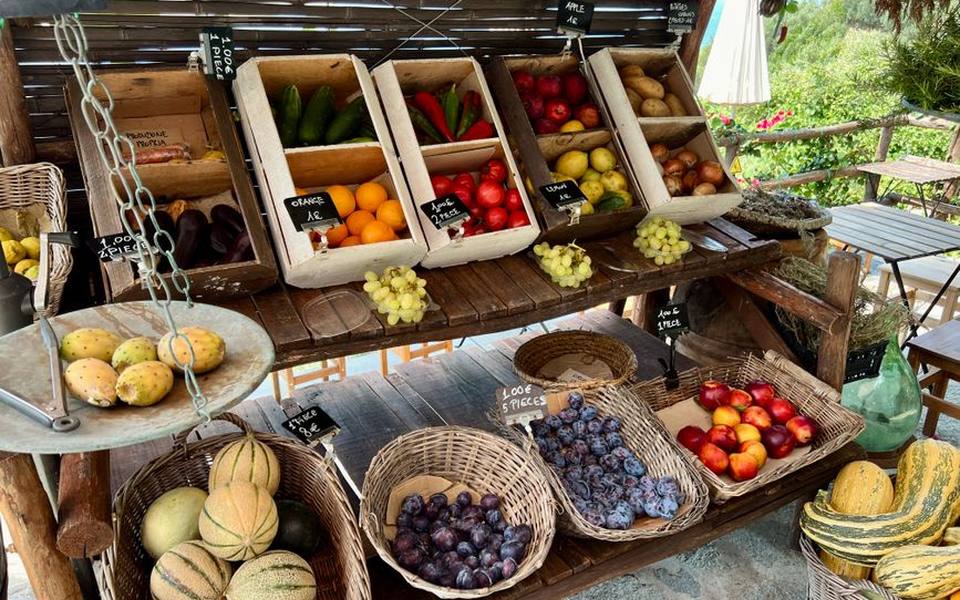
Engage stall workers in friendly conversation about their soil, weather conditions, and seasonal timelines. An authentic producer can explain why their zucchini harvest started two weeks late, which crop varieties struggle in current rainfall, or how their greenhouse pest management works. When a vendor cannot explain where an item was pulled or speaks vaguely about crop origins, those items are likely wholesale brokered goods.
Seasonal alignment serves as the simplest test for authentic regional sourcing. Seeing field tomatoes, sweet peppers, and watermelons stacked high in mid-May across northern states should raise immediate skepticism. Authentic direct buying connects your kitchen directly to regional weather, meaning menu planning must flex around what nature currently yields.
Deciding Between Farm Stands and CSA Subscriptions
Community Supported Agriculture, commonly known as a CSA share, represents a formal partnership between a household and a single farming operation. In this arrangement, consumers purchase a seasonal subscription upfront during late winter or early spring, providing the grower with working capital to buy seeds, fuel, and equipment repairs before harvest begins.
In exchange for that initial financial commitment, CSA members receive weekly or biweekly shares packed with whatever crops hit peak quality throughout the season. This model differs fundamentally from casual market shopping; you trade personal item selection for incredible post-harvest freshness, usually picked within twenty-four hours of your pickup window.
Before committing to a multi-month subscription, honestly assess your family's cooking routines and willingness to handle unfamiliar greens. CSA shares often deliver hearty portions of seasonal staples like rutabagas, winter squash, or Swiss chard. Households that prefer complete autonomy over every dinner ingredient may find flexible roadside shopping or visiting pick-your-own harvest fields more compatible with their kitchen habits.
Pricing Realities and Getting Real Household Value
First-time shoppers often wonder why small-scale farm produce occasionally carries a higher price tag than supermarket counterparts. Industrial grocery chains rely on mechanical monoculture, heavily subsidized logistics, and chemical treatments designed to extend transit life over flavor. Small regional producers absorb hand-labor costs, crop rotations, and fair wages, which naturally shapes item pricing.
Despite initial perceptions, direct buying can significantly reduce household food waste and stretch kitchen budgets. Field-fresh items that skip commercial warehousing routinely keep crisp in a refrigerator crisper for up to two weeks longer than tired supermarket produce. That extended shelf life directly prevents half-used bunches of herbs or bags of soft greens from ending up in the garbage.
Look for bulk processing deals to maximize your return. Many growers offer substantial discounts on half-bushel crates of slightly blemished tomatoes, preserving cucumbers, or pie apples known as canning seconds. These imperfect items taste identical to display-grade specimens and work wonderfully for making sauces, homemade jams, or frozen meal bases.
Combining Market Outings with Farmstead Activities
Many modern agricultural retail properties combine harvest tables with educational attractions, making weekend grocery trips an engaging family ritual. In apple-producing states like New York farm country, visitors frequently stop by retail sheds for cider donuts and cider gallons before heading into the orchard rows to pick their own fruit.
During early autumn, many of these rural market destinations transform into seasonal hubs featuring wagon rides, animal encounters, and farms hosting corn mazes. This blending of farm tourism with practical produce shopping allows parents to teach children where vegetables originate while stocking the pantry with cold-cellar goods.
These multi-purpose agricultural sites encourage spending an entire morning outdoors. Exploring peripheral orchard trails, tasting small-batch honey at observation hives, and watching cider presses run gives families a deeper appreciation for the hands that cultivate their food supply.
Storage Steps to Preserve Peak Garden Flavors
Bringing home pristine market harvests is only half the battle; proper post-trip kitchen handling preserves that exceptional flavor. Never wash berries or delicate tender greens until the moment you prepare them, as residual moisture trapped in storage containers encourages rapid fungal growth. Instead, nestle unwashed berries between paper towels inside a breathable container.
Keep cold-sensitive crops out of standard refrigeration units. Tomatoes, intact summer melons, winter squash, and whole stone fruits maintain optimal texture and sweet aromatic profiles when kept at moderate room temperature out of direct sunlight. Chilling tomatoes ruins their fragile cellular walls, turning luscious summer fruit mealy and bland.
Root crops such as carrots, beets, and radishes require removing their green leafy crowns immediately upon returning home. While beet and radish greens make tasty sautés, leaving them attached draws vital moisture away from the root itself, leaving your crisp radishes soft and spongy within forty-eight hours.
Published 2026-09-21 · reviewed with each rebuild, last September 2026.
Find u-pick farms near you
The directory lists 3,339 u-pick farms by state and city — pick your state or use the “Near me” button in the header.
More guides
-
 Buying
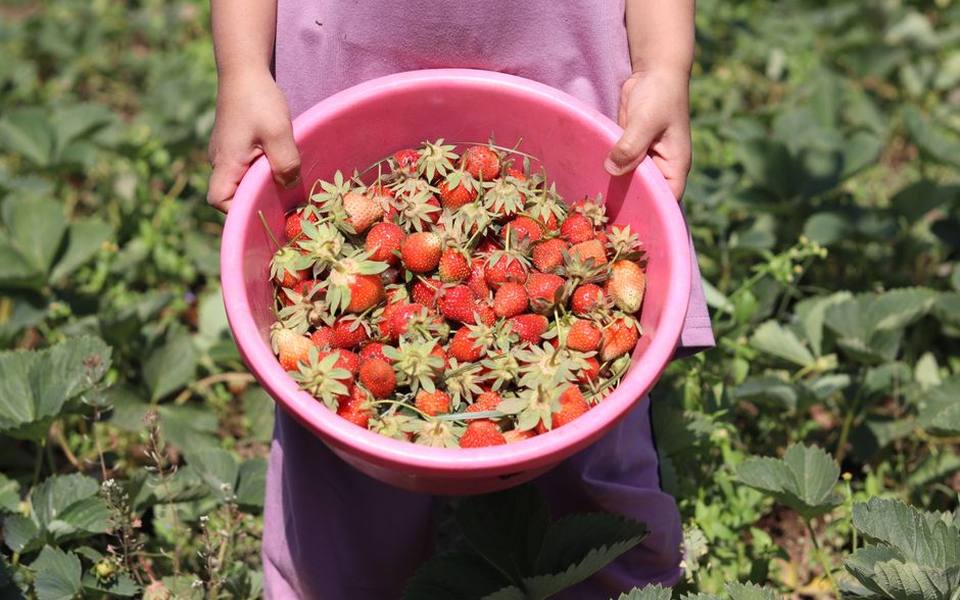
When Is Strawberry Season? Peak Months and U-Pick Picking Guide
-
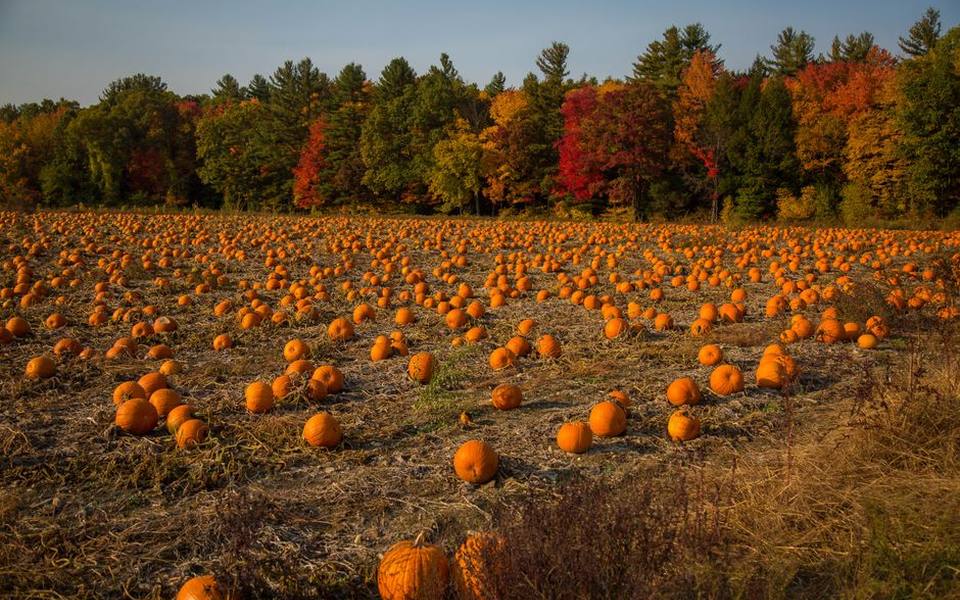 Buying
Pumpkin Patch Visitor Guide: Opening Dates, Pricing, and Selection Tips
-
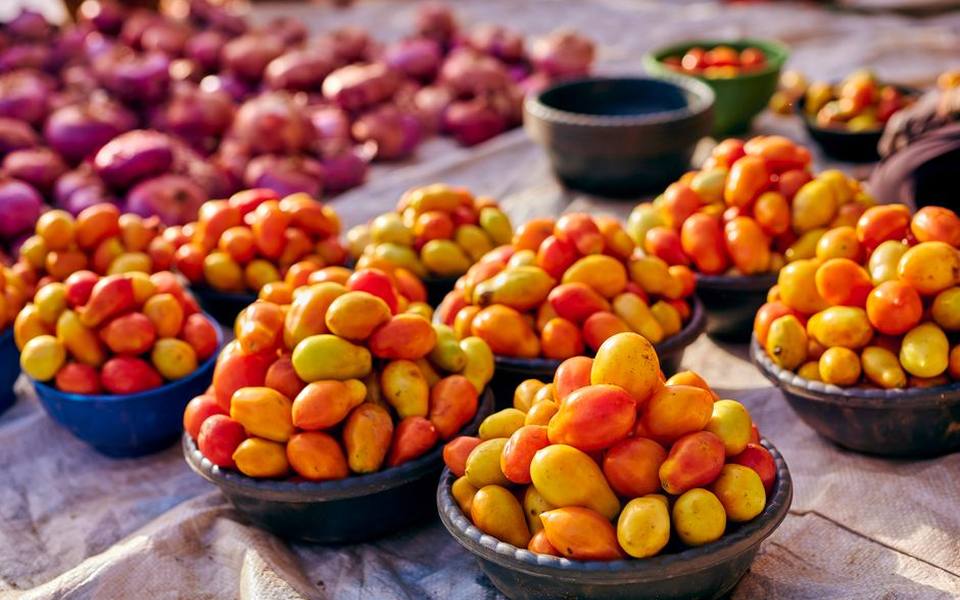 Buying
How to Pick Ripe Produce: Melons, Roots, Citrus, and Greens
-
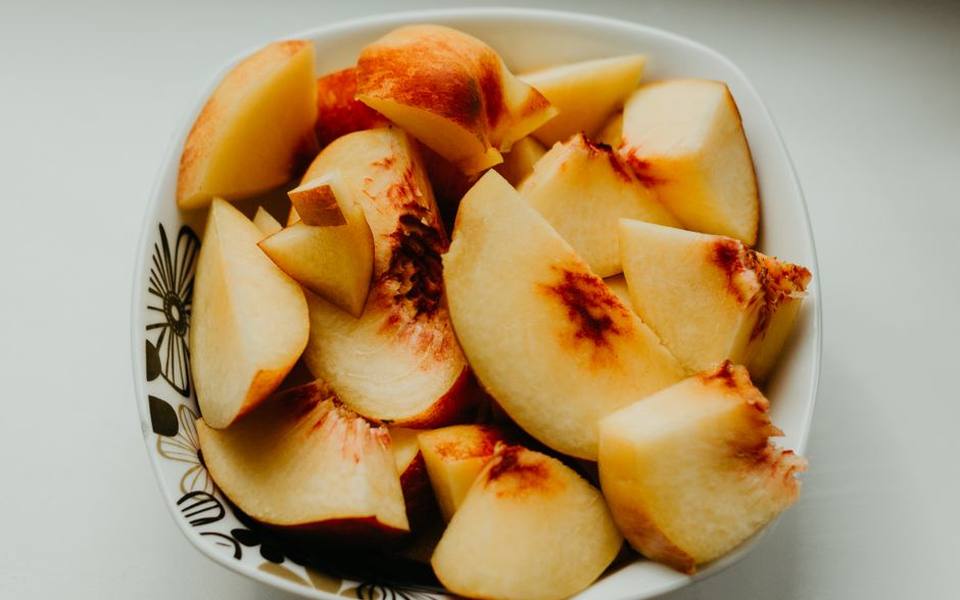 Storage
How to Peel and Preserve Fresh Peaches: Blanching, Freezing, and Variety Tips
-
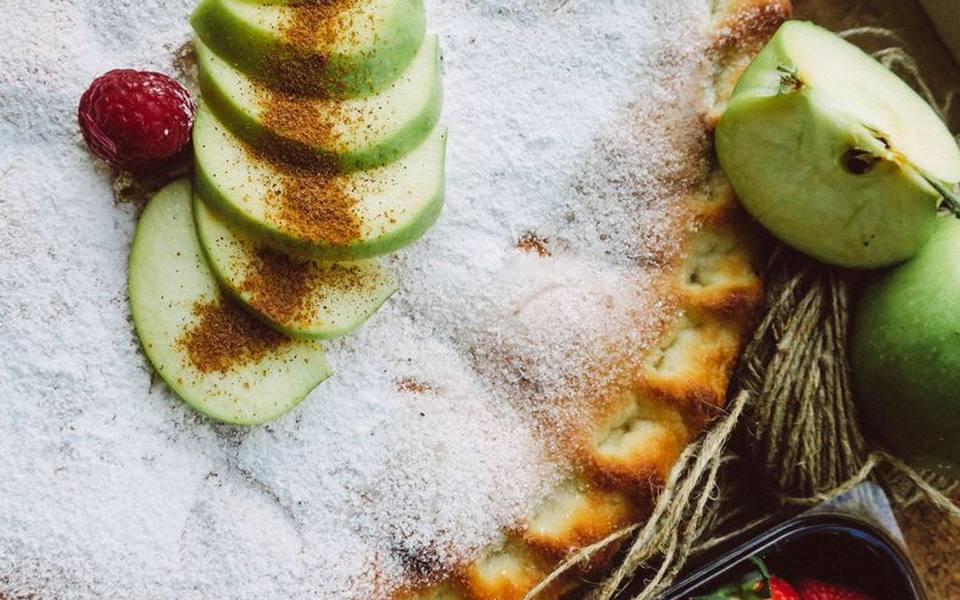 Buying
Best Apples for Baking Pies and Cakes: Crispness and Flavor Guide
-
 Buying
What Is Raw Cow Milk? Benefits, Safety Rules, and Sourcing
-
 Buying
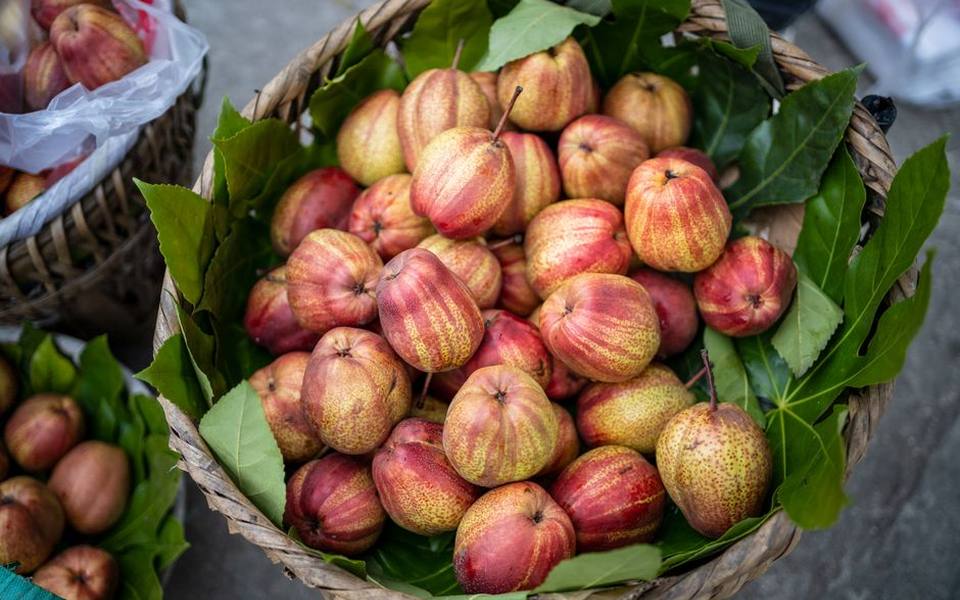
Apple Picking Guide: Bushel Measurements, Costs, Storing, and Washing
-
 Money
MoneyBlackberry Farm Pricing Guide: Costs, Accommodations, and Seasonal Farmstead Skills
-
 Buying
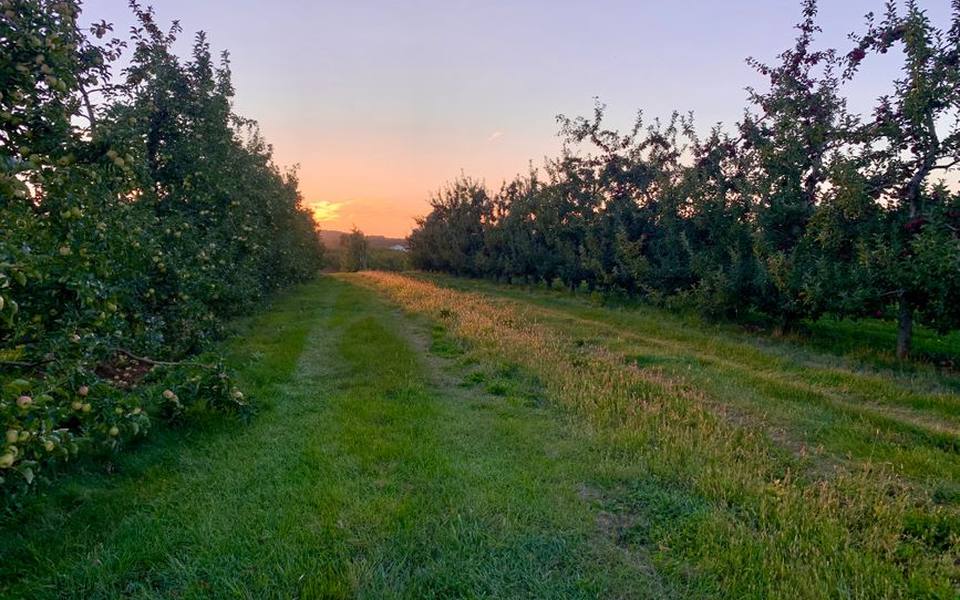
Apple Orchard and Cider Mill Guide: U-Pick Apples, Cider, and Fall Treats
-
 Buying
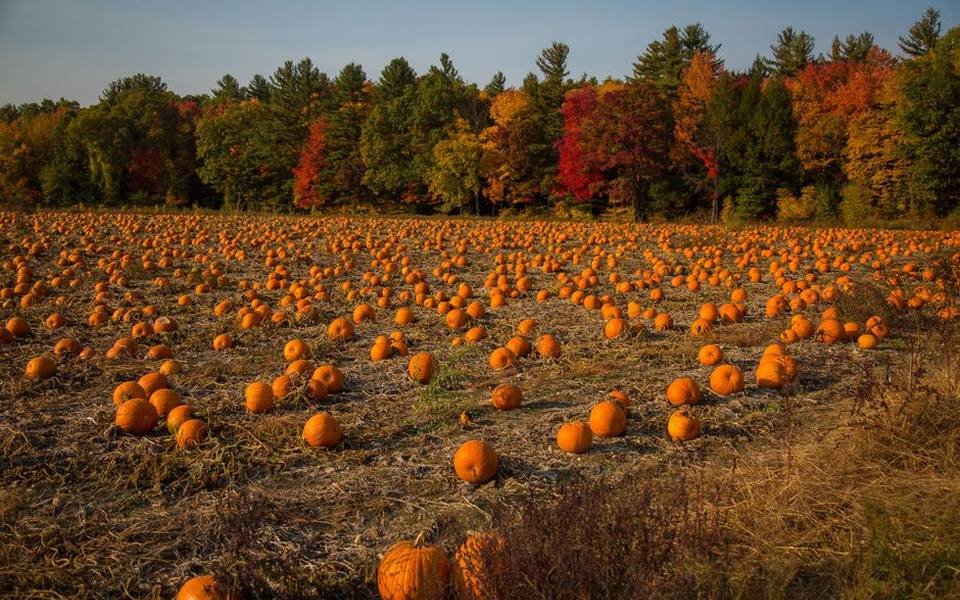
Fall Agritourism Guide: Corn Mazes, Pumpkin Patches, and Autumn Festivals
-
 Buying
U-Pick Flower Fields: Guide to Tulips, Lavender, Sunflowers, and Dahlias
-
 Buying
Agritourism Experiences: Goat Yoga, Farm Stays, and Rustic Barn Venues
-
 Owning
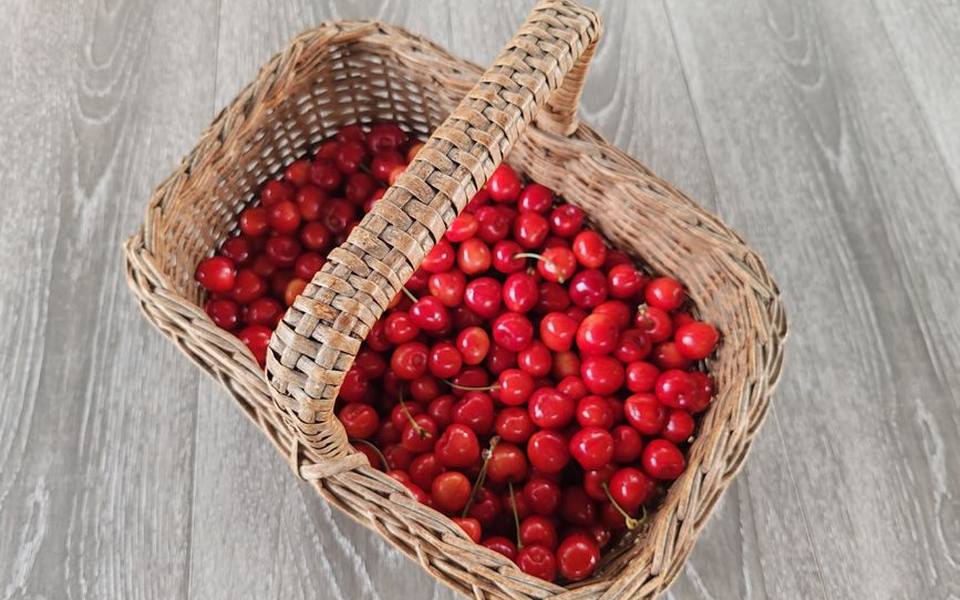
Seasonal Guide to U-Pick Berries and Fruit Orchards: Cherries, Berries, and Peaches
-
 Buying
Fall Agritourism Guide: Pumpkin Patches, Corn Mazes, and Harvest Festivals
-
 Owning
On-Farm Floral Workshops and Flower Arrangement Classes Guide
-
 Owning
A Complete Guide to U-Pick Fruit Orchards: Berries, Stone Fruit, Citrus, and Vines
-
 Buying
Honey Farm Visits, Local Apiaries, and Raw Honey Buying Guide
-
 Owning
Comprehensive Guide to Fresh Apples, Cider Pressing, and Canning Recipes
-
 Owning
Livestock Feeds and Feeding Equipment Selection Guide
-
 Owning
Fruit Picking Guide: U-Pick Orchards and Harvest Tools
-
 Buying
Flower Farm Guide: U-Pick Fields, Fresh Bouquets, and Workshops