The Growth of Modern Agritourism
Experiential agritourism allows working family operations to open their acreage to guests seeking fresh air, outdoor recreation, and hands-on learning. While agricultural tourism historically centered on seasonal harvest excursions and traditional farmstand purchases, visitors today seek deeper, memorable connections with the land. Activities now range from gentle wellness sessions in open pastures to weekend lodging in converted bunkhouses and full-scale celebratory gatherings inside historic timber-frame structures.
For visitors, traveling to a working homestead offers a distinct change of pace from standard commercial leisure spots. You can observe firsthand how growers manage daily chores, handle livestock, and care for seasonal crops. This direct contact with rural production gives families and travelers a tangible appreciation for regional food systems, regional conservation efforts, and the daily rhythms of country life.
Choosing the right destination depends largely on the specific experience you want to arrange, the travel distance, and the season. Many visitors build weekend road trips around multiple destinations featured on our directory of local farms across all states, combining an educational workshop in the morning with farmstand visits or regional food tastings later in the afternoon.
What to Expect at a Goat Yoga Session
Practicing yoga with goats has turned into one of the most widespread weekend activities on small livestock operations. Sessions typically take place in an enclosed grass paddock or an airy covered arena under the direction of a certified yoga instructor. As participants move through beginner-friendly stretching poses, young goats wander freely among the mats, frequently nibbling on shoelaces, curling up next to guests, or climbing directly onto the backs of individuals holding a tabletop pose.
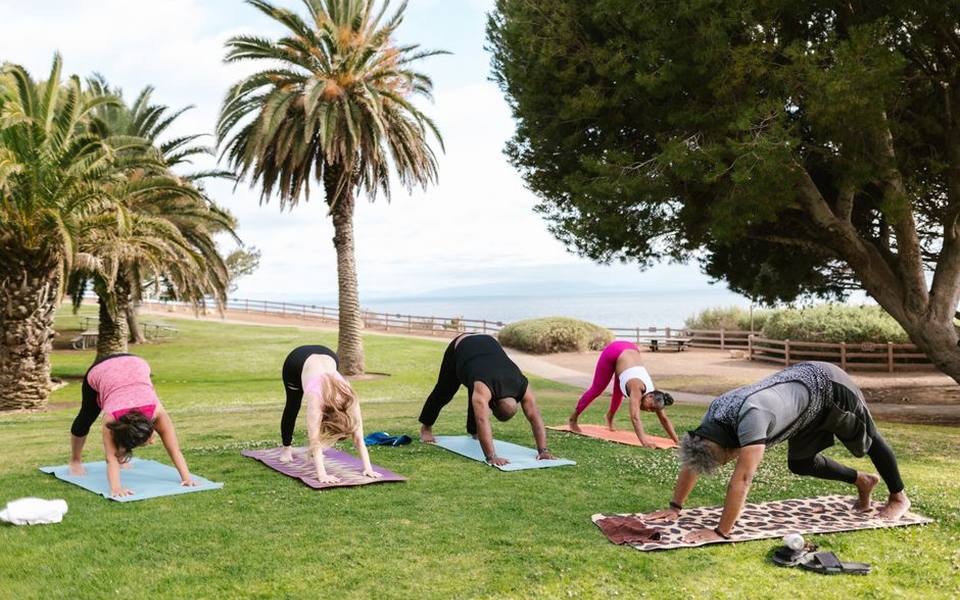
The animals used for these classes are usually miniature breeds such as Nigerian Dwarfs or Pygmy goats, known for their manageable weight, innate curiosity, and friendly disposition. Because kids and yearlings are naturally playful, the atmosphere stays relaxed and informal rather than strictly athletic. Classes rarely focus on rigorous physical discipline; instead, they emphasize mindfulness, lighthearted laughter, and tactile interaction with gentle farm animals.
Participants should dress expecting dirt, loose hair, and occasional animal droppings. Farms generally advise bringing an old, easily washable mat or a sturdy beach towel rather than premium fitness gear. Wearing high-necked tops that cover your back prevents minor scratches when hooves rest against your shoulders, and tying back long hair keeps inquisitive animals from gently chewing on loose strands during floor exercises.
Selecting Barn Wedding Places and Reception Spaces
Couples searching for barn wedding places often prioritize open floor plans, soaring rafters, and scenic country backdrops. Rural event settings provide a warm, unpretentious charm that traditional hotel banquet halls rarely match. However, because working farms vary widely in their infrastructure, evaluating the site involves looking closely at building preservation, available floor space, lighting capability, and how smoothly guests can move between the ceremony lawn and dining areas.
When touring prospective barn reception venues, pay close attention to essential environmental controls. Authentic timber barns originally built for hay or livestock storage frequently lack modern thermal insulation, permanent heating systems, or central air conditioning. If you plan an event during midsummer or late autumn, confirm whether the property supplies commercial-grade fans, roll-down canvas wall flaps, or portable radiant heaters to keep guests comfortable throughout the evening.
Another vital consideration is the facility's noise and curfew regulations. Many rural properties border residential plots or active livestock pastures, meaning local county zoning laws often mandate that outdoor amplified music conclude by a specified hour, typically around ten in the evening. Asking about noise ordinances, preferred vendor access windows, and cleanup policies early prevents unexpected friction as your wedding date approaches.
Amenities and Layouts in Barn House Wedding Venues
In recent years, purpose-built barn house wedding venues and fully restored heritage barns have emerged to bridge the gap between pastoral aesthetic and modern hospitality. Unlike raw agricultural storage buildings, these dedicated event structures frequently integrate climate-controlled bridal suites, fully equipped catering preparation kitchens, and plumbed indoor restroom facilities. They maintain the classic silhouette of a gambrel roof and board-and-batten siding while offering high-capacity electrical panels for entertainment lighting.
The overall layout of wedding rustic venues should allow seamless transitions between different segments of your day. Ideally, the property offers a dedicated outdoor ceremony perimeter—such as a shaded meadow, an arbor overlooking crop rows, or an orchard clearing—paired with an adjacent covered shelter in case of sudden rain. Having an indoor contingency plan on the same footprint ensures that unpredictable weather will not derail your ceremony schedule.
Accessibility remains another crucial detail when hosting guests of all ages. Evaluate whether footpaths connecting parking areas, ceremony sites, and dining halls are paved or packed with firm crushed stone suitable for wheelchairs and dress shoes. Couples can also compare regional venue availability across neighboring fruit operations by checking upstate New York farm locations, where historic dairy barns frequently host weekend events alongside active orchards.
Planning a Rural Farm Stay or Bed-and-Breakfast Retreat
Farm stays provide an immersive way to unplug from urban routines and spend several nights in a quiet rural environment. Accommodations can range from historic farmhouse guest bedrooms operating as a traditional bed-and-breakfast to standalone timber cabins, glamping tents, or renovated milking parlors. Guests wake up to pastoral views, crowing roosters, and the quiet sounds of morning field labor while enjoying breakfasts made with freshly collected eggs, raw honey, and seasonal fruit.
Most properties encourage guests to participate in routine chores at whatever level of involvement feels comfortable. Depending on the farm, you might assist with morning cattle feedings, collect warm chicken eggs, walk through vegetable plots to gather ingredients for dinner, or simply relax on a wide covered porch with a book. Farm hosts typically outline boundaries clearly, noting which pastures are open for self-guided strolls and which machinery areas remain restricted for guest safety.
When packing for an extended overnight visit, bring sturdy work boots, casual layers suitable for cool countryside mornings, and insect repellent. Connectivity varies significantly across rural regions; some properties deliberately omit televisions and reliable broadband internet to promote relaxation, while others provide full modern connectivity. Clarify these details before booking if you anticipate needing digital access during your stay.
Exploring Apiary Tours and Beekeeping Farms
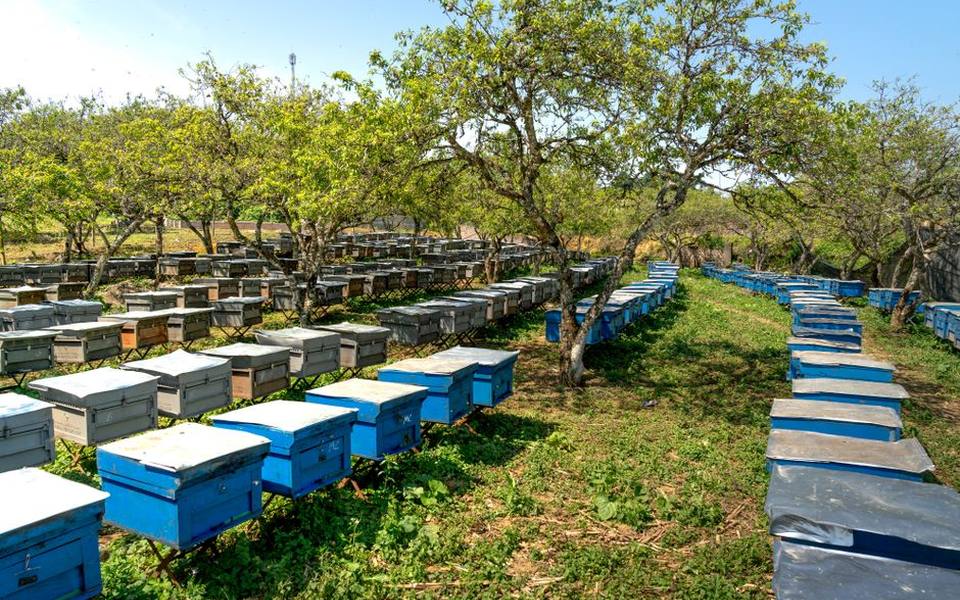
Visiting professional beekeeping farms offers a fascinating glimpse into colony social dynamics and commercial pollination work. Guided apiary tours educate guests on the complex duties of worker bees, drone tasks, and queen management, showing how managed hives support broader agricultural yields. These experiences demonstrate how vital native and managed pollinators are to surrounding fruit orchards, berry patches, and vegetable fields.
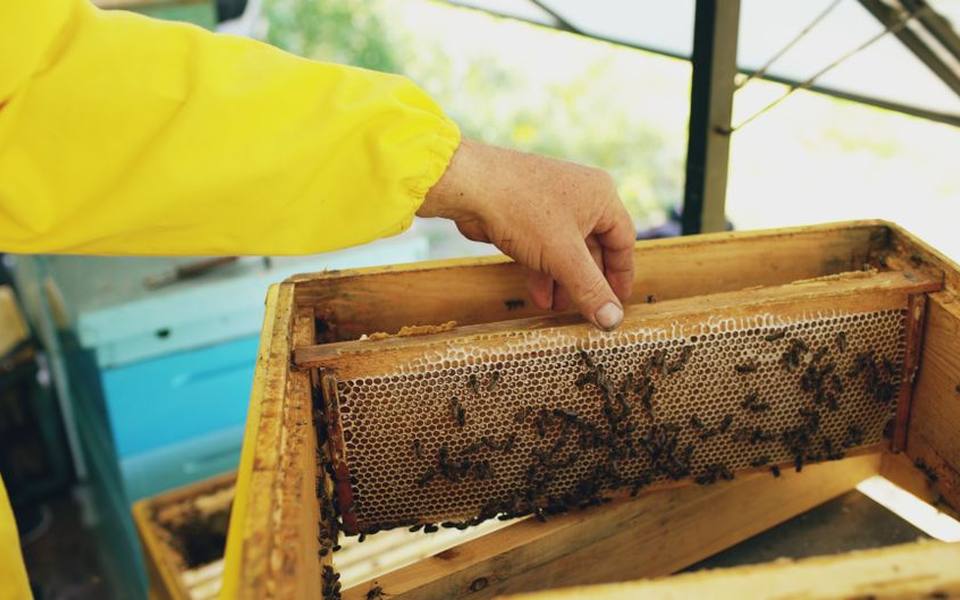
During a typical tour at an educational bee farm, participants put on protective veiled suits and gloves before walking to the hive yard. An experienced beekeeper uses a slow-burning smoker to calm the colony, gently removes a wooden frame, and points out brood cells, stored pollen caches, and glistening honey reserves. Visitors often get to observe fresh honeycomb up close and spot the marked queen moving deliberately across the wax cells.
Following the hands-on hive demonstration, apiary excursions usually finish with a guided tasting flight in the honey house. Guests sample raw, varietal honeys—such as wildflower, clover, buckwheat, or citrus bloom—noting how different seasonal nectar sources dramatically influence color, aroma, and sweetness. Many beekeepers also demonstrate wax rendering, candle crafting, and small-batch extraction methods that visitors can support directly at the farm checkout counter.
Experiencing Cranberry Bog Tours During Harvest
Cranberry tours offer a striking seasonal experience distinct from almost any other agricultural activity. Cranberries do not grow submerged in water year-round as many people assume; rather, they thrive in low-lying, peat-rich beds layered with sand. In the autumn, growers intentionally flood the bogs with shallow water so specialized harvesting reels can loosen the ripe berries, which float naturally to the surface to form a brilliant crimson sea.
Booking a cranberry bog tour gives visitors a rare vantage point to watch this harvest unfold in real time. Guided walking presentations explain the complex ditch, pump, and canal networks required to flood and drain the beds efficiently without wasting water resources. Tour guides also discuss frost management systems that protect delicate buds during crisp autumn nights when freezing temperatures threaten the crop yield.
Select harvest operations allow visitors to pull on chest-high waterproof waders and step directly into flooded bogs alongside seasonal workers. Wading through millions of floating red berries makes for memorable photographs and offers a tactile appreciation for the physical effort behind commercial cranberry processing. These autumn tours are especially prominent at destinations featured in Wisconsin harvest listings as well as traditional coastal bogs in southeastern Massachusetts.
Combining Agritourism with Harvest and Picking Trips
Agritourism visits are often most rewarding when planned as multifunctional day outings that incorporate seasonal fruit harvests. Visitors scheduling an early goat yoga class or farm retreat can easily allocate the afternoon to harvesting fresh produce directly from surrounding rows. Exploring organized pick your own harvest operations allows you to return home with tree-ripened stone fruit, crisp heirloom apples, or fresh culinary herbs harvested at peak maturity.
Fall agritourism destinations frequently bundle multiple seasonal attractions onto a single property. After participating in an educational tour or attending a weekend gathering, families often explore farms featuring on-site corn mazes, open-air tractor wagon rides, and fresh cider press demonstrations. These paired activities provide engaging physical fun for younger children while older family members browse farmstore preserves and artisan provisions.
Because crop ripening schedules shift according to local weather conditions and seasonal rainfall, always check picking availability shortly before leaving home. Active farms typically update harvest status bulletins, field conditions, and daily open hours across their websites or recorded telephone lines, ensuring you arrive when fields are bountiful and picking conditions are dry.
Practical Logistics, Farm Etiquette, and Rural Safety
Visiting an active agricultural business requires conscious attention to safety, property boundaries, and animal welfare. Working farms host heavy equipment, utility vehicles, electric fencing, and working livestock guardian dogs that require respectful handling. Always obey posted directional markers, stay within marked public footpaths, and instruct children never to open closed pasture gates or approach animals without staff supervision.
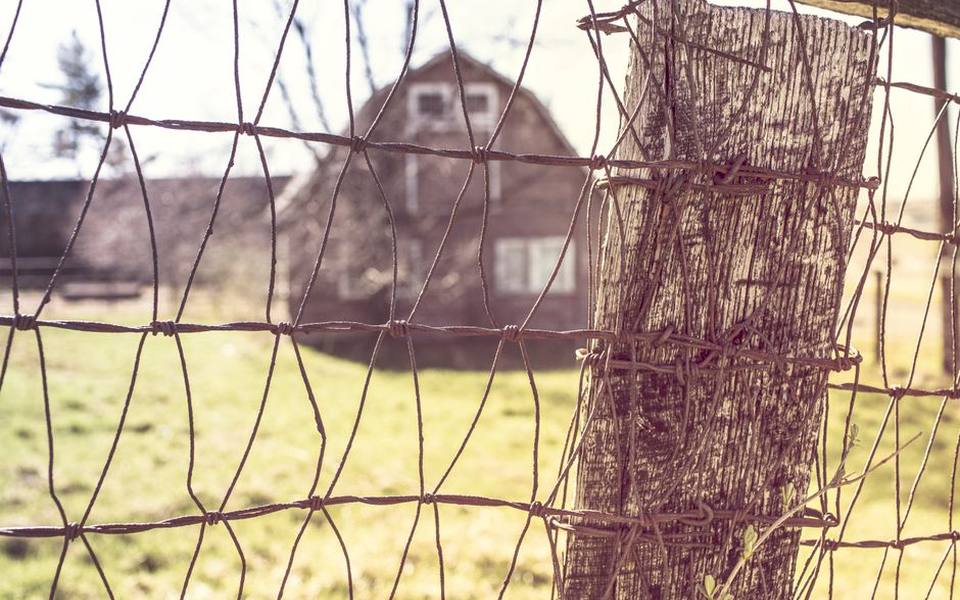
Proper footwear is essential regardless of the specific activity you have planned. High heels, thin sandals, and open-toed shoes are unsuitable for uneven farm terrain, gravel lanes, animal pens, and soft soil. Wearing sturdy, closed-toe walking boots or durable sneakers protects your feet from sharp stones, damp grass, hidden burrs, and accidental steps from wandering barnyard animals.
Good hygiene practices protect both human visitors and resident herds. Farms maintain handwashing stations equipped with running water and antibacterial soap near livestock enclosures, milking areas, and portable restrooms. Make sure all members of your group wash their hands thoroughly after touching animals, fencing, or soil, especially before eating farmstand snacks or sitting down for a picnic meal.
Budgeting, Weather Contingencies, and Booking Terms
Agritourism pricing structures vary considerably depending on the nature and scale of the experience. Small-group yoga classes and educational walking tours typically charge a modest per-person admission fee covering equipment, staff guidance, and animal treats. Private farm stays, conversely, operate on standard nightly lodging rates that reflect room amenities, provided farmstead meals, and access to private trail systems.
For weddings and large celebratory gatherings, rustic barn wedding venues generally quote base rental fees that cover building access for a set number of hours. You should always inquire whether the quoted figure includes setup tables, banquet chairs, parking attendants, clean-up crews, and portable restroom trailers, or if these essential components must be contracted separately through outside rental companies.
Outdoor events in rural settings require sensible weather contingency policies. Review each farm's cancellation, refund, and rainout procedures before completing your booking reservation. Reputable agritourism hosts maintain covered backup shelters or flexible rescheduling policies, ensuring that unexpected downpours or high winds do not spoil your planned country excursion.
Published 2026-09-21 · reviewed with each rebuild, last September 2026.
Find u-pick farms near you
The directory lists 3,339 u-pick farms by state and city — pick your state or use the “Near me” button in the header.
More guides
-
 Buying
When Is Strawberry Season? Peak Months and U-Pick Picking Guide
-
 Buying
Pumpkin Patch Visitor Guide: Opening Dates, Pricing, and Selection Tips
-
 Buying
How to Pick Ripe Produce: Melons, Roots, Citrus, and Greens
-
 Storage
How to Peel and Preserve Fresh Peaches: Blanching, Freezing, and Variety Tips
-
 Buying
Best Apples for Baking Pies and Cakes: Crispness and Flavor Guide
-
 Buying
What Is Raw Cow Milk? Benefits, Safety Rules, and Sourcing
-
 Buying
Apple Picking Guide: Bushel Measurements, Costs, Storing, and Washing
-
 Money
MoneyBlackberry Farm Pricing Guide: Costs, Accommodations, and Seasonal Farmstead Skills
-
 Buying
A Guide to Shopping Local Farmers Markets, Farm Stands, and CSA Boxes
-
 Buying
Apple Orchard and Cider Mill Guide: U-Pick Apples, Cider, and Fall Treats
-
 Buying
Fall Agritourism Guide: Corn Mazes, Pumpkin Patches, and Autumn Festivals
-
 Buying
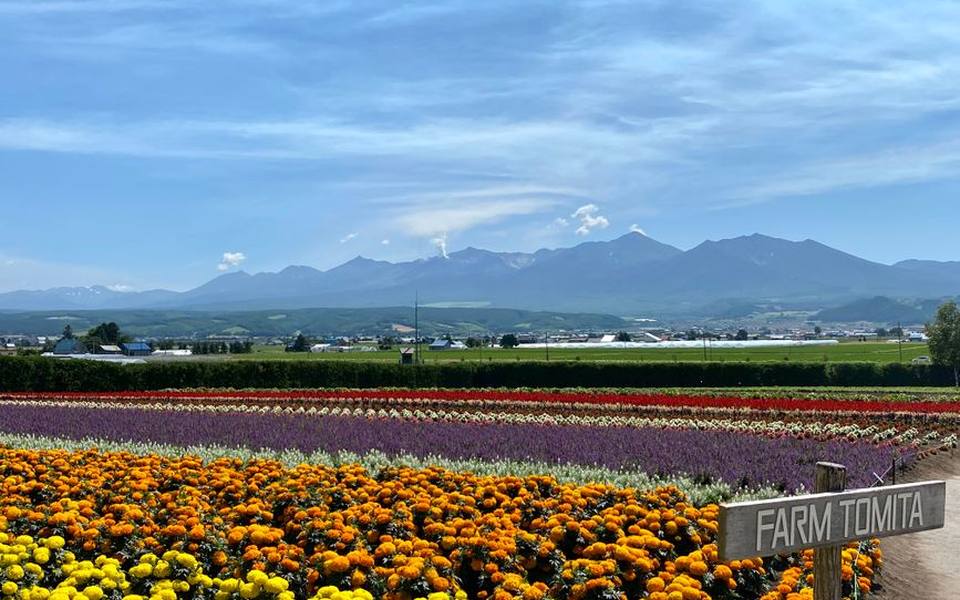
U-Pick Flower Fields: Guide to Tulips, Lavender, Sunflowers, and Dahlias
-
 Owning
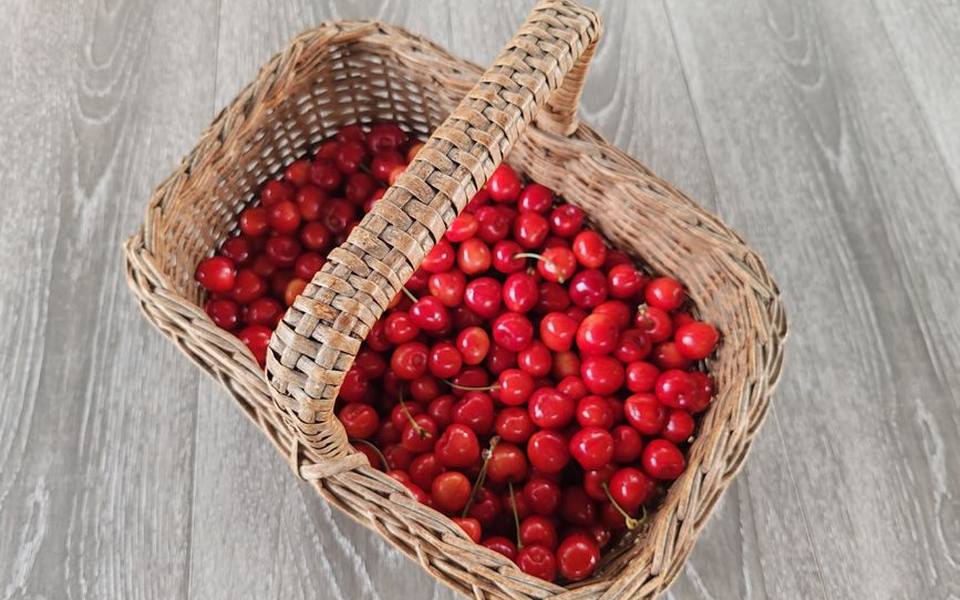
Seasonal Guide to U-Pick Berries and Fruit Orchards: Cherries, Berries, and Peaches
-
 Buying
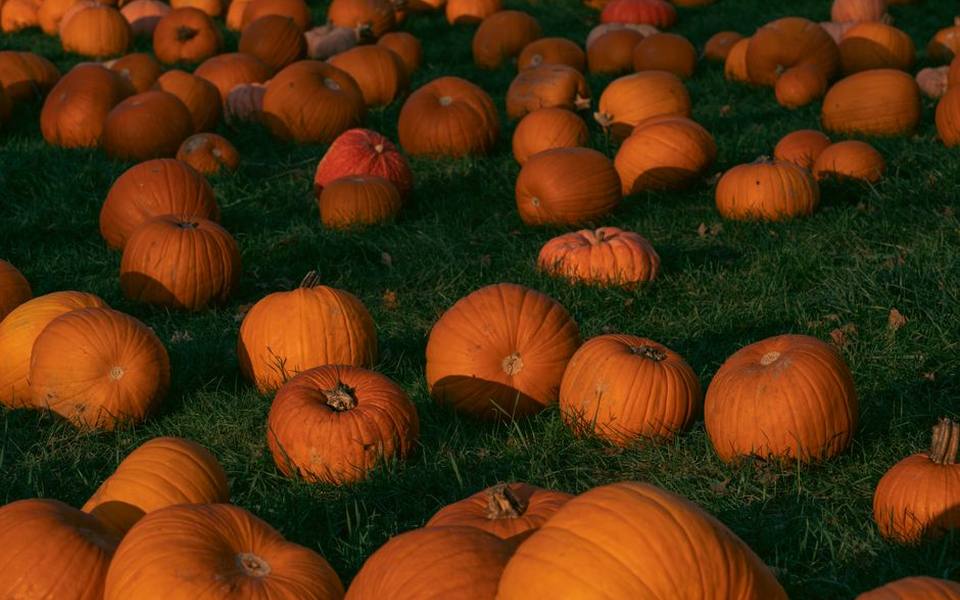
Fall Agritourism Guide: Pumpkin Patches, Corn Mazes, and Harvest Festivals
-
 Owning
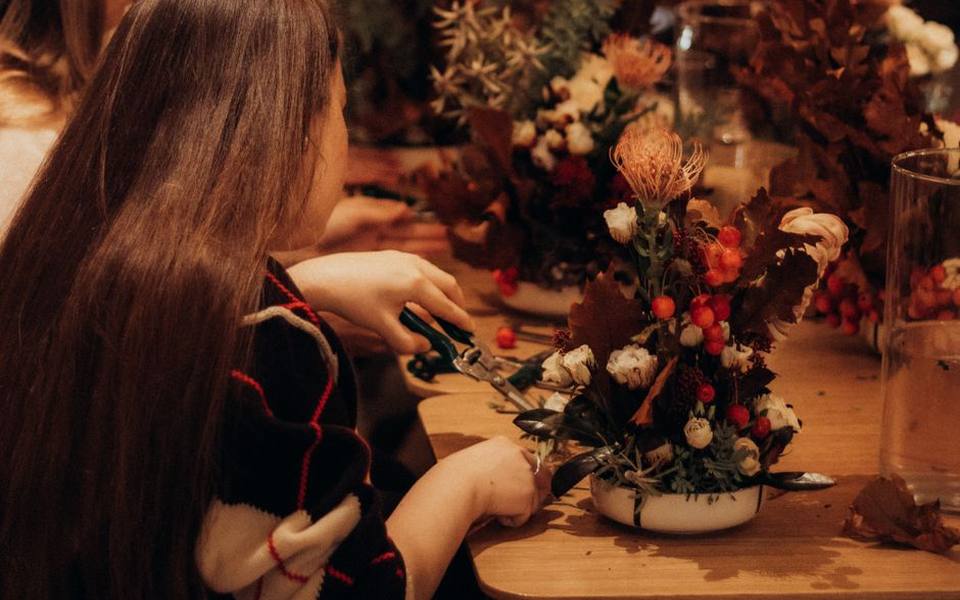
On-Farm Floral Workshops and Flower Arrangement Classes Guide
-
 Owning
A Complete Guide to U-Pick Fruit Orchards: Berries, Stone Fruit, Citrus, and Vines
-
 Buying
Honey Farm Visits, Local Apiaries, and Raw Honey Buying Guide
-
 Owning
Comprehensive Guide to Fresh Apples, Cider Pressing, and Canning Recipes
-
 Owning
Livestock Feeds and Feeding Equipment Selection Guide
-
 Owning
Fruit Picking Guide: U-Pick Orchards and Harvest Tools
-
 Buying
Flower Farm Guide: U-Pick Fields, Fresh Bouquets, and Workshops