What to Expect at an Apple Orchard and Cider Mill
A visit to an apple farm during the autumn harvest typically combines agricultural picking with fresh food production. While a traditional orchard focuses on cultivating rows of dwarf, semi-dwarf, and standard apple trees for harvesting, a cider mill features pressing equipment designed to extract raw juice from bulk fruit. Many modern destinations merge both operations into a single location, allowing visitors to walk the fields with a bag or basket and then head to the mill for warm cider and baked treats.
Visiting policies vary across regions and throughout the season. Most facilities open their pick-your-own acreage from late August through late October or early November, depending on local weather patterns. Some venues charge an admission fee that covers parking, wagon shuttles, and access to entertainment zones, while others simply charge by the peck, half-bushel, or pound for the fruit you pick. Reviewing entry rules before heading out helps prevent surprises at the farm gate.
Understanding the layout of a farm destination makes navigating the grounds easier. Most properties separate their commercial production areas from public picking rows. Upon arrival, you will typically find a welcome station with picking containers, a retail farm stand displaying pre-picked bags, and an operational bakery or press room where you can watch raw cider run through filtration systems.
The Apple Harvest Calendar and Seasonal Varieties
The apple harvest unfolds over ten to twelve weeks, with different cultivars ripening in distinct waves. Early season begins in late August with varieties such as Paula Red, Zestar, and Ginger Gold. These early apples provide a welcome start to the season and carry a bright, mild flavor, though they typically have a shorter shelf life than later crops and soften quickly if left at room temperature.
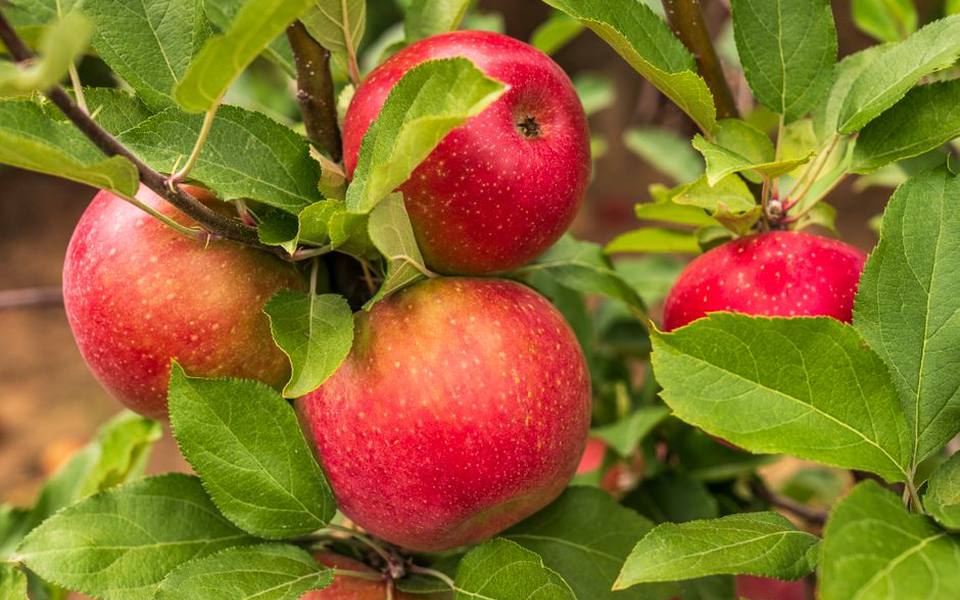
Mid-season, running from mid-September through early October, represents the busiest window across pick-your-own orchards nationwide. During these weeks, favorite eating varieties like Honeycrisp, Gala, Cortland, Macoun, and McIntosh reach peak maturity. These mid-season options offer an optimal balance of crisp texture, juice content, and acidity, making them suitable both for snacking straight from the tree and for quick stovetop applesauce.
Late season extends from mid-October into November, delivering firm, dense cultivars that store exceptionally well throughout the winter. Varieties like Ida Red, Northern Spy, Fuji, Rome, and Granny Smith mature as overnight temperatures drop. These later varieties contain higher starch levels and firm cell structures that hold their shape when baked in pies, crisps, and tarts, making late-autumn visits ideal for home bakers.
How Traditional Cider Mills Press Fresh Juice
A working cider mill operates by transforming field-run apples into sweet, unfiltered juice through mechanical crushing and pressing. First, clean apples pass through a hammer mill or rotary grinder that shreds whole fruit into a coarse pulp known as pomace. This pulping process ruptures the cell walls of the fruit, allowing the natural juices to separate cleanly once pressure is applied.
The ground pomace is transferred to a press, which historically used wooden racks and heavy cotton cloths layered into multi-tiered stacks called cheeses. While some historic operations maintain traditional hydraulic rack-and-cloth presses, many contemporary mills utilize continuous belt presses made of food-grade stainless steel. Tremendous pressure squeezes the liquid through woven mesh, leaving behind dense, dry fiber cake while collecting amber juice in stainless holding tanks.
True sweet cider differs fundamentally from commercial filtered apple juice. Cider contains suspended solids, pulp fragments, and natural tannins that give it an opaque body and a complex, slightly tangy flavor profile. In most states, commercial facilities must pasteurize sweet cider using heat or ultraviolet light systems to neutralize bacteria without altering the fresh, orchard-picked flavor of the blend.
Cider Doughnuts and Classic Orchard Bakery Treats
The quintessential orchard experience often centers on the bakery counter, where fresh apple cider doughnuts are fried throughout the day. These treats rely on a cake-doughnut batter infused with a concentrated reduction of sweet apple cider, cinnamon, and nutmeg. Simmering the cider down before mixing concentrates the natural malty acidity, ensuring that the fruit flavor cuts through the rich batter.
The signature texture of an orchard doughnut comes from controlled frying and immediate finishing. As rings of batter drop into hot oil, they puff quickly, creating a crisp outer crust and a tender, steamy crumb inside. As soon as the doughnuts drain on cooling racks, workers tumble them through bowls of coarse granulated sugar blended with ground cinnamon, creating a textured coating that adheres to the warm surface.
Beyond doughnuts, farm bakeries commonly prepare rustic seasonal specialties designed to use harvest surpluses. You will regularly find scratch-made apple dumplings wrapped in flaky pastry, open-face crisps topped with rolled oats and butter, and hand-stirred apple butter that simmers down over long hours. Many visitors choose to arrive early in the morning specifically to purchase warm bakery items before midday lines develop.
Regional Traditions and Multi-Generational Farm Hubs
Apple growing in the United States reflects deep regional roots, with distinct growing belts producing unique traditions. In historic New England, multi-generational properties like Massachusetts farmsteads and New Hampshire orchards maintain heirloom trees dating back over a century. Visitors exploring Massachusetts orchards often find early American heritage cultivars like Baldwin and Roxbury Russet planted alongside modern sweet varieties, framed by classic dry-stack stone walls.
The Great Lakes region represents another major commercial apple corridor, supported by lake-effect moisture and sandy loam soils. Throughout the Midwest, sprawling hubs in Illinois and Wisconsin combine sprawling tree plots with full-service farm entertainment. Across the fruit ridges of the north, famous Michigan farm stops have transformed historic mills into comprehensive culinary hubs that offer artisanal hard ciders alongside traditional cider pressing operations.
In upstate valleys and across historic routes, u-pick farms in New York support hundreds of active growers managing thousands of acres. These long-running family enterprises, ranging from historic hillside orchards to destination farmsteads with extensive tasting rooms, serve as communal autumn destinations. Across all these regions, multi-generational operations continue refining their infrastructure with wagon rides, farm markets, and seasonal festivities to welcome millions of weekend travelers.
Proper Tree Picking Technique and Orchard Etiquette
Picking fruit correctly protects next year's crop and keeps the trees healthy. Fruit trees set their buds for the upcoming growing season right behind the current year's fruit stems. Pulling an apple straight down can snap off the entire fruiting spur, permanently removing the branch's ability to produce apples in future seasons. Repeated rough handling by visitors can severely reduce an orchard's yield for years to come.
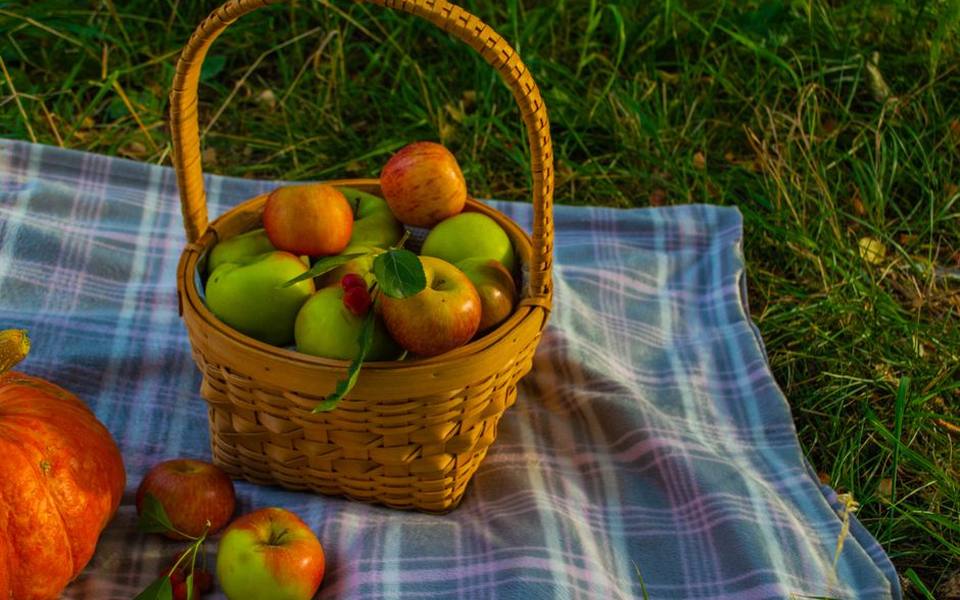
The standard harvesting method is known as the roll-and-twist technique. Grasp the apple firmly in the palm of your hand, lift the base upward toward the sky, and gently twist. If the apple is ripe, the stem will cleanly separate from the branch without tugging on the wood. If you must pull with significant force, the fruit is not fully ripe and should remain on the tree to mature further.
Orchard etiquette also requires respecting the ground beneath your feet. Dropped fruit should generally be left where it falls, as ground apples may harbor dirt or bacteria and can attract yellow jackets. Furthermore, climbing branches, breaking limbs, or shaking trunks is strictly prohibited at every commercial operation. Walking carefully along the designated grass aisles protects the shallow root systems of modern dwarf apple rootstocks.
Navigating Fall Farm Activities and Family Crowds
During clear weekends in September and October, popular farm destinations can see thousands of visitors per day. Planning arrival times makes a substantial difference in parking ease and row congestion. Arriving right when gates open in the morning provides cool picking temperatures, short checkout queues, and quiet strolls through the rows before afternoon crowds gather around the food stands.
Many expansive farmsteads offer supplemental attractions designed for family entertainment. These features frequently include tractor-pulled wagon rides, farm animal enclosures, petting paddocks, and sprawling harvest challenges. If your group enjoys navigating intricate paths cut through tall stalks, seeking out orchards with on-site corn mazes allows you to combine fruit picking with classic autumn field exploration.
To keep young children safe and engaged, establish clear boundaries before stepping off the wagon. Orchard rows can stretch for hundreds of yards, making it easy for young children to wander out of sight between the dense leaves. Assigning each child their own small canvas bag or handled basket keeps them focused on finding ripe fruit within their reach on lower branches.
Selecting the Best Apples for Baking and Cooking
Not all apples perform equally when exposed to high kitchen heat. Dessert apples like Red Delicious or standard Gala taste sweet raw but collapse into a watery puree when baked in a pie shell. Successful baking requires varieties with dense cellular structures that soften without completely dissolving, retaining individual, identifiable slices after sixty minutes in the oven.
For traditional pies and crisps, professional bakers often combine sweet and tart varieties in equal measure. Cortland, Jonathan, Northern Spy, and Rhode Island Greening hold their form beautifully while providing bright acidity. Blending these with naturally sweet, sturdy varieties like Golden Delicious or Honeycrisp balances the sugar profile of the filling and eliminates the need for excess cornstarch or artificial sweeteners.
If your goal is homemade applesauce or smooth apple butter, soft-flesh varieties work to your advantage. McIntosh, Macoun, and Wealthy break down quickly under low heat, melting into a tender consistency with minimal stirring. Leaving the skins on during the initial simmer imparts a pleasant pink hue to the sauce, which can then be strained through a food mill to remove seeds and peels cleanly.
Storing and Preserving Your Fresh Orchard Harvest
Apples continue to breathe and ripen after they leave the tree, producing natural ethylene gas that speeds up softening. To keep your harvest crisp, store the fruit in cold conditions between thirty-two and thirty-eight degrees Fahrenheit with high humidity. An unheated garage, cool basement, or dedicated refrigerator vegetable crisper drawer works significantly better than leaving fruit in a decorative bowl on the kitchen counter.
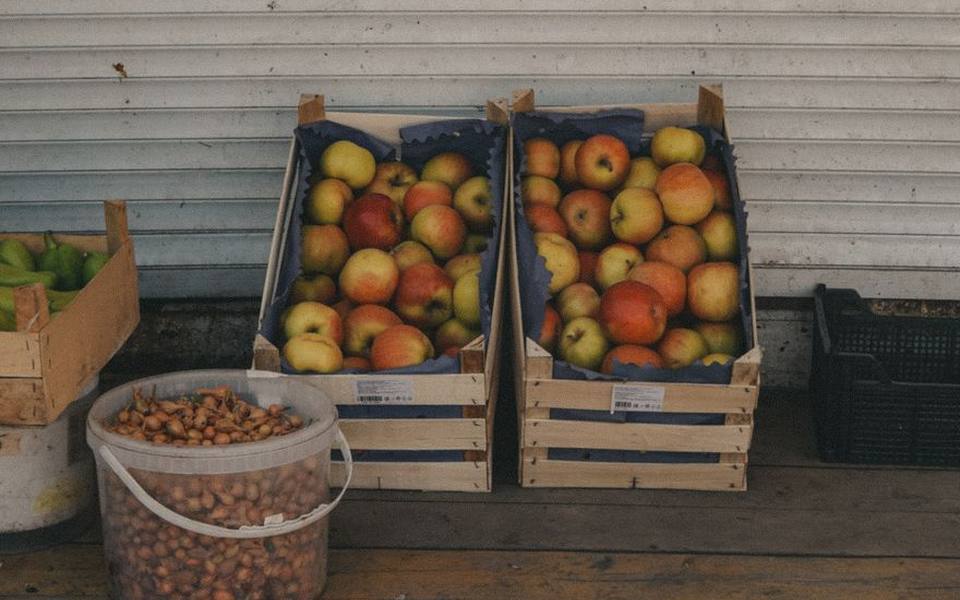
Before storing bulk fruit, sort through your containers carefully. The old adage holds true: one bad apple with a deep puncture or soft rot spot can spoil an entire bin by releasing accelerated levels of ethylene. Separate bruised or wind-damaged apples for immediate eating, applesauce, or juicing, while reserving only clean, unblemished specimens with stems intact for extended long-term cold storage.
Sweet cider requires prompt attention once brought home from the mill. Fresh, unpasteurized or lightly treated cider will begin naturally fermenting within seven to ten days if left in a standard home refrigerator. If you purchase multiple gallons, pour a small amount out of each jug to leave headroom for liquid expansion, and place the remaining jugs directly into your home freezer, where cider keeps for up to twelve months.
Practical Preparation and Packing for Orchard Day
A successful morning at the orchard starts with sensible footwear and outdoor clothing. Orchard aisles consist of natural dirt, mown turf, and fallen wood, which can become muddy or slick from morning dew. Closed-toe walking shoes, light hiking boots, or sturdy sneakers are strongly recommended over sandals. Dressing in removable layers helps you adjust as cool autumn mornings give way to warmer afternoon sun.
Bringing your own transport gear can save significant effort in the field. While most farms supply picking bags or plastic peck containers, carrying fifty pounds of apples across wide rows becomes tiring quickly. A folding garden cart or collapsible utility wagon makes moving your fruit, jackets, and young children much easier. Bringing a hard-sided cooler with ice packs in the car trunk ensures your cider jugs and baked goods stay cool during the drive home.
Finally, prepare your payment and communication plans ahead of time. Although many large agritourism operations accept credit cards and digital wallets, rural farms occasionally experience cellular connectivity dropouts that disrupt card processing. Carrying a moderate amount of cash ensures you can buy entry tickets, purchase bakery items, or tip parking attendants without delay.
Published 2026-09-21 · reviewed with each rebuild, last September 2026.
Find u-pick farms near you
The directory lists 3,339 u-pick farms by state and city — pick your state or use the “Near me” button in the header.
More guides
-
 Buying
When Is Strawberry Season? Peak Months and U-Pick Picking Guide
-
 Buying
Pumpkin Patch Visitor Guide: Opening Dates, Pricing, and Selection Tips
-
 Buying
How to Pick Ripe Produce: Melons, Roots, Citrus, and Greens
-
 Storage
How to Peel and Preserve Fresh Peaches: Blanching, Freezing, and Variety Tips
-
 Buying
Best Apples for Baking Pies and Cakes: Crispness and Flavor Guide
-
 Buying
What Is Raw Cow Milk? Benefits, Safety Rules, and Sourcing
-
 Buying
Apple Picking Guide: Bushel Measurements, Costs, Storing, and Washing
-
 Money
MoneyBlackberry Farm Pricing Guide: Costs, Accommodations, and Seasonal Farmstead Skills
-
 Buying
A Guide to Shopping Local Farmers Markets, Farm Stands, and CSA Boxes
-
 Buying
Fall Agritourism Guide: Corn Mazes, Pumpkin Patches, and Autumn Festivals
-
 Buying
U-Pick Flower Fields: Guide to Tulips, Lavender, Sunflowers, and Dahlias
-
 Buying
Agritourism Experiences: Goat Yoga, Farm Stays, and Rustic Barn Venues
-
 Owning
Seasonal Guide to U-Pick Berries and Fruit Orchards: Cherries, Berries, and Peaches
-
 Buying
Fall Agritourism Guide: Pumpkin Patches, Corn Mazes, and Harvest Festivals
-
 Owning
On-Farm Floral Workshops and Flower Arrangement Classes Guide
-
 Owning
A Complete Guide to U-Pick Fruit Orchards: Berries, Stone Fruit, Citrus, and Vines
-
 Buying
Honey Farm Visits, Local Apiaries, and Raw Honey Buying Guide
-
 Owning
Comprehensive Guide to Fresh Apples, Cider Pressing, and Canning Recipes
-
 Owning
Livestock Feeds and Feeding Equipment Selection Guide
-
 Owning
Fruit Picking Guide: U-Pick Orchards and Harvest Tools
-
 Buying
Flower Farm Guide: U-Pick Fields, Fresh Bouquets, and Workshops