Understanding Traditional Orchard Measurements and the Peck
Stepping onto an orchard for the first time often brings you face-to-face with historical dry volume measurements that grocery stores rarely use. The most common container you will encounter at a farm stand is a peck basket. In standard United States dry measurement, a peck equals two dry gallons or eight dry quarts, which represents one quarter of a full agricultural bushel. Rather than weighing bags on a scale during peak harvest weekends, orchards rely on these sturdy volumetric containers to keep checkout lines moving efficiently while giving visitors a generous, level-to-heaped portion of fresh fruit.
In practical kitchen terms, a peck of apples typically weighs between ten and twelve and a half pounds, depending heavily on the density and size of the specific variety. If you are picking medium-sized fruit such as Honeycrisp, Gala, or McIntosh, a single peck basket holds roughly thirty to thirty-five individual apples. If you are harvesting denser, oversized heritage varieties or baking cultivars, that count might drop closer to twenty or twenty-four apples, though the total physical weight in your hands will feel surprisingly comparable.
Knowing how a peck translates to everyday cooking helps prevent overbuying when you arrive at the orchard. A peck yields enough fruit to bake three to four nine-inch pies, prepare about four quarts of smooth homemade applesauce, or supply a family of four with crisp afternoon snacks for nearly two full weeks. Understanding this volume allows you to budget your harvest based on real kitchen recipes rather than guessing under the orchard canopy.
Scaling Up to Half Bushels and Full Bushel Baskets
When you plan to preserve fruit through canning, freezing, or pressing sweet cider, smaller peck containers may not suffice. The next standard size offered by commercial growers is the half bushel, which equals two pecks or four dry gallons. A standard half bushel basket typically holds between twenty-one and twenty-five pounds of apples. When filled with average-sized fruit, you can expect roughly sixty to seventy individual apples inside, making it the preferred volume for households planning a major weekend baking or canning project.
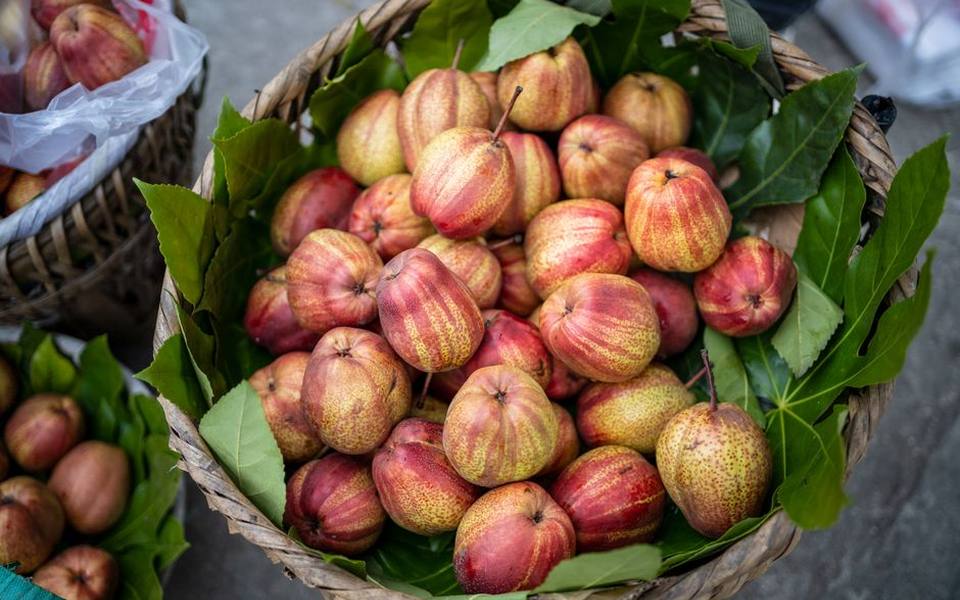
A full agricultural bushel is the benchmark unit of traditional American produce trade, holding four pecks or eight dry gallons. In commercial terms, a standard legal bushel of apples weighs approximately forty-two to forty-eight pounds. Depending on tree fruit dimensions, a complete bushel contains anywhere from one hundred twenty to one hundred forty medium apples. Carrying a full bushel requires two hands and solid lifting posture, so most self-harvest operations provide rolling pull wagons or heavy-duty plastic field totes to help visitors haul these larger loads back from distant rows.
Choosing between a peck, a half bushel, or a full bushel comes down to how quickly your household can consume or process fresh produce. Freshly harvested tree fruit maintains peak crispness for several weeks under cold conditions, but forty-five pounds of fruit demands substantial refrigerator or cellar space. Unless you have an extra chilling appliance or committed plans to turn your harvest into shelf-stable preserves within a few days, opting for one or two half bushels often provides greater flexibility and less physical waste.
What Apple Picking Typically Costs at the Farm
Produce pricing at self-harvest orchards reflects a blend of agricultural labor, variety demand, and seasonal family entertainment. Across most agricultural regions, you will typically find apple picking prices ranging between $1.50 and $3.50 per pound, though premium varieties like late-season Honeycrisp or specialty organic heirloom cultivars can occasionally run slightly higher. When compared to commercial supermarket pricing, orchard visits offer fresher quality and longer storage potential rather than an automatic steep discount, because maintaining public access requires considerable farm overhead.
Orchards structure their admission and purchasing charges in a few distinct ways depending on their location and foot traffic. Many family-run farms charge strictly by the container size, requiring visitors to prepay for an empty peck or half-bushel bag at the entrance gate and allowing them to fill it to the brim without secondary weigh-ins. Other operations weigh your containers at an exit checkout pavilion, calculating your balance by exact poundage, while some venues include a nominal general admission wristband fee to cover grounds maintenance, live music, and orchard access.
Understanding these pricing models helps you estimate your outing expenses before arriving with the whole family. Checking whether an orchard accepts debit cards, digital wallets, or cash is equally important, as rural field stands can occasionally face sporadic cellular connectivity. Planning your expected volume ahead of time ensures you gather enough fruit for your kitchen projects without facing surprise totals when weighing multiple overloaded totes.
Locating High-Quality Orchards in Your Region
Finding productive tree fruit destinations begins by consulting regional harvest directories that track seasonal crop ripening windows and on-farm amenities. Because apple varieties mature in waves from late August through early November, locating orchards in your area requires checking current field conditions before driving out. Exploring our comprehensive directory of Pick Your Own Farms and Orchards allows you to filter operations by harvesting methods, certified organic practices, and specific fruit offerings across different agricultural counties.
Different growing regions across the country offer drastically different farm experiences and heritage apple selections. In the Northeast, you can browse through 281 listings of U-Pick Farms in New York to discover cool-climate staples like Empire, Cortland, and Northern Spy. Moving into the upper Midwest, reviewing 194 listings of U-Pick Farms in Michigan connects you to orchards situated near the Great Lakes, where rolling terrain produces crisp, balanced baking varieties under ideal microclimates.
Before settling on a specific destination, always verify their public visiting hours and field availability on the morning of your planned excursion. Unseasonable weather, early frost events, or heavy Saturday crowds can quickly strip popular rows of ripe fruit, prompting growers to close certain tree blocks for ripening. Most growers post daily updates detailing which specific rows are open for picking, ensuring you spend your afternoon harvesting prime fruit rather than wandering through picked-over branches.
Enjoying On-Farm Amenities and Family Field Activities
Modern tree fruit destinations have evolved well beyond simple agricultural production, frequently incorporating extensive seasonal entertainment that turns a routine harvest into a full autumn outing. Many properties feature freshly pressed cider mills, scratch bakeries turning out warm cider donuts, and open-air tractor wagon rides that transport guests directly into the heart of the groves. Families often combine fruit harvesting with seasonal play zones, petting barns, and picnic grounds nestled between mature timber stands.
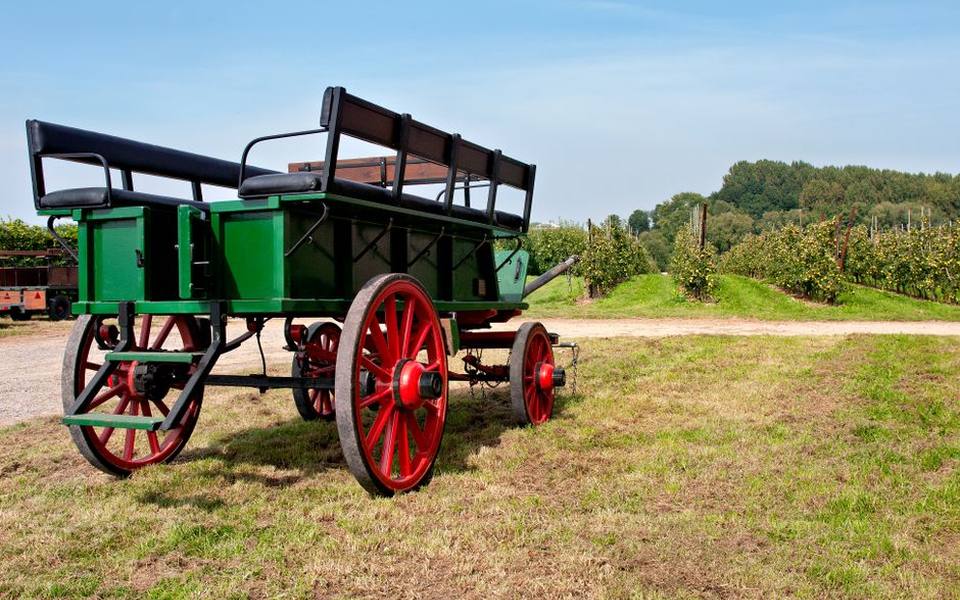
If you are traveling with children or looking for a full day of rural entertainment, consider pairing your orchard stroll with on-site autumn puzzles. Many growers feature elaborate labyrinths cut into towering feed crops, making Farm Destinations with On-Site Corn Mazes a natural stop during October weekend itineraries. These combined attractions allow visitors to navigate intricate pathways before sitting down with hot spiced beverages and loading their harvest containers into family vehicles for the journey home.
Keep in mind that farm terrain demands sensible preparations, especially during cool autumn mornings when morning dew blankets tall orchard grass. Sturdy closed-toe walking shoes or waterproof trail boots are far superior to casual footwear on uneven, sloping ground. If your household regularly visits agricultural venues earlier in the growing calendar—such as visiting U-Pick Blueberry Farms and Orchards during high summer—you will find tree fruit harvesting requires similar situational awareness regarding sun protection, layer dressing, and cautious footing around fallen fruit.
Proper Harvesting Techniques to Protect the Trees
Harvesting an apple cleanly requires gentle technique rather than brute strength to protect both the fruit and the tree's future productivity. When you spot an attractive apple, cup the base of the fruit securely in your palm, roll it gently upward toward the branch, and give it a slight twisting motion. Orchardists refer to this classic movement as the eye-to-the-sky technique, which allows the stem to naturally detach from the spur without tearing sensitive bark or dislodging adjacent immature fruit.
Yanking directly downward on an apple should always be avoided because it frequently damages or rips off the woody fruit spur entirely. Fruit spurs are specialized, slow-growing branch segments that require several seasons to develop and are responsible for producing next year's flower blossoms and crop. Tearing a spur off along with your apple permanently reduces the yield of that branch for seasons to come. If a fruit resists detaching after a gentle twist, it has likely not reached full physiological maturity and should remain on the tree.
Handle your harvested apples with deliberate gentleness as you place them into your collection bag or wooden crate. Dropping fruit even several inches causes subcutaneous bruising that ruptures internal plant cells, triggering rapid enzyme breakdown that leads to premature rot during cold storage. Additionally, commercial orchard food safety rules generally prohibit harvesting ground drops—fruit that has already fallen to the soil—due to potential contact with wildlife pathogens, insects, and soil-borne moisture bacteria.
Essential Food Safety and Everyday Washing Practices
Once you return home with several pecks of fresh orchard fruit, proper washing becomes an essential food safety step before raw consumption. Tree fruit grown in open agricultural settings naturally accumulates ambient dust, airborne pollen, wild bird droppings, and natural field debris throughout months of outdoor development. Furthermore, conventional orchards rely on carefully monitored agricultural sprays to manage destructive tree pests and fungal blights, leaving minimal but measurable surface residues on the skin.
Rinsing apples thoroughly under cool, vigorously running tap water represents the foundational cleaning baseline recommended by university extensions and public health agencies. Gently rubbing the entire surface of each apple with your clean hands or a soft-bristled produce brush under running water for twenty to thirty seconds dislodges dirt and physically removes the vast majority of surface microbes and loose chemical traces. Commercial dish soaps, detergents, and household bleach solutions should never be used on edible produce because apple skins are porous and can absorb synthetic cleaning chemicals.
A vital timing rule governs fruit hygiene: only wash the individual apples you intend to eat, slice, or cook within the immediate few hours. Introducing moisture to an apple's surface washes away its natural protective waxy cuticle, known as the bloom, and introduces water droplets around the recessed stem and calyx basin. Trapped moisture accelerates the growth of molds, blue rot fungus, and microbial decay, dramatically shortening the shelf life of apples stored in cold pantries or refrigerators.
Using Baking Soda Baths for a Deeper Surface Clean
For consumers who want an added measure of surface cleaning beyond simple running water, scientific studies have shown that common household baking soda provides exceptional performance. Sodium bicarbonate creates a mildly alkaline wash solution that effectively breaks down and hydrolyzes common agricultural chemical compounds, including certain fungicides and insecticides that resist plain water rinses. This gentle household ingredient neutralizes residues without degrading the fruit's texture or imparting synthetic chemical odors.
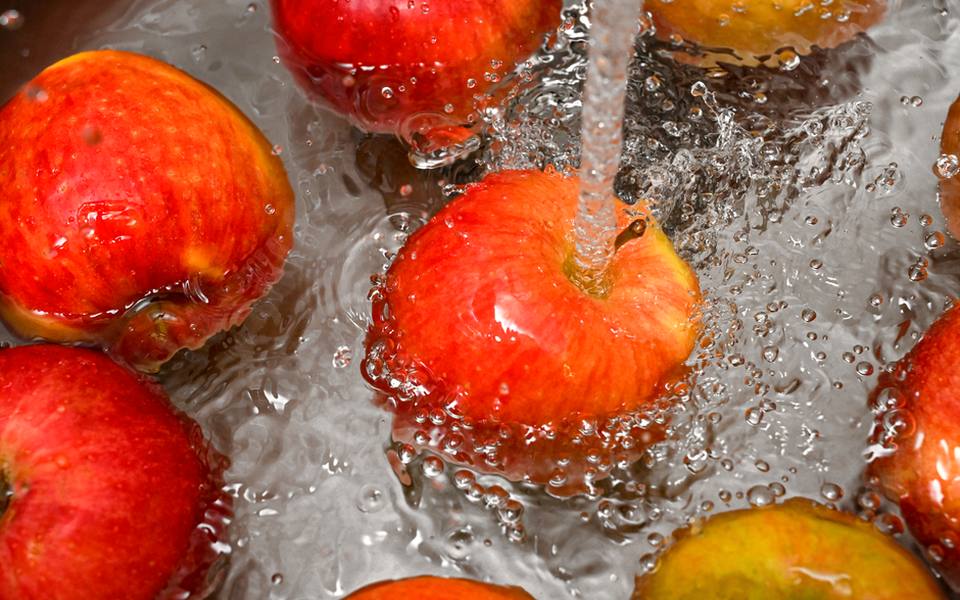
Preparing an effective baking soda soak at home requires only standard kitchen supplies and clean cool water. Dissolve approximately one teaspoon of baking soda for every two cups of water, or roughly two tablespoons per standard gallon of tap water in a thoroughly cleaned kitchen sink or deep stainless-steel prep bowl. Submerge your unwashed apples completely in the alkaline solution, using a clean plate or inverted colander to keep them submerged since fresh, buoyant apples naturally float toward the surface.
Allow the fruit to soak in the baking soda solution for twelve to fifteen minutes to give the alkaline water adequate time to interact with surface compounds. Afterward, remove the apples one by one, give them a gentle manual scrub using a dedicated soft vegetable brush, and rinse them exhaustively under cold running tap water to wash away all loosened matter and alkaline traces. Pat each apple completely dry with clean paper towels before slicing into crisp wedges or packing them into lunch containers.
How to Store Your Apples for Maximum Freshness and Crispness
To preserve the crisp texture and complex flavor of your autumn harvest for weeks or even months, temperature and humidity management are critical. Apples are living botanical tissues that continue to respire after harvest, taking in oxygen and converting internal starches into sugars while slowly expelling carbon dioxide. Storing apples at warm room temperatures on kitchen counters accelerates this respiratory breakdown, turning firm, snappy flesh mealy and dry in as little as five to seven days.
The ideal storage environment for fresh tree fruit mimics the cool, damp microclimate of an underground root cellar. Place your unwashed fruit in the crisper drawer of your standard refrigerator, set to a temperature between 31°F and 36°F with relatively high humidity. Storing apples inside perforated plastic produce bags or unsealed containers prevents them from dehydrating in modern dry frost-free refrigerator compartments while still permitting necessary gas exchange, allowing late-season keeping varieties to remain exceptionally crunchy for up to two months.
Apples naturally generate significant volumes of ethylene gas, a natural plant hormone that triggers accelerated ripening in surrounding produce. Keep your apple storage separated from ethylene-sensitive vegetables such as leafy greens, cucumbers, carrots, and potatoes, which will spoil or sprout prematurely when exposed to orchard fruit. Furthermore, remember the age-old agricultural adage: inspect every container carefully and immediately separate any specimens showing puncture marks, cuts, or soft bruises, as a single damaged apple will rot quickly and release excess ethylene that spoils neighboring fruit.
Long-Term Preservation and Processing for Large Harvests
When your orchard enthusiasm results in multiple bushels that exceed your refrigerator crisper capacity, home preservation transforms excess volume into stable winter pantry supplies. Turning tart, firm apples into unsweetened homemade applesauce requires little specialized equipment beyond a large heavy-bottomed stockpot and clean glass canning jars. Cooking sliced apples down with a splash of water, pureeing them through a food mill, and processing them in a simple boiling water bath creates shelf-stable jars that keep their bright flavor for a year or more.
Freezing offers an exceptionally fast, low-effort preservation route that preserves fresh fruit structure for future pies, crisps, and seasonal baked pastries. Simply peel, core, and slice your apples into uniform wedges, toss them with a few tablespoons of fresh lemon juice or an ascorbic acid solution to prevent enzymatic browning, and arrange them in a single flat layer across parchment-lined baking sheets. Once frozen solid, transfer the loose wedges into heavy-duty zip-top freezer bags, pressing out all excess air to protect against freezer burn.
Finally, remember that variety selection dictates long-term storage success far more than any preservation trick. Early-season varieties harvested in August, such as Lodi, Paula Red, and early McIntosh, feature thin skins, high moisture, and delicate cell walls that break down within two to three weeks regardless of care. Conversely, late-maturing, thick-skinned winter keepers like Fuji, Arkansas Black, Pink Lady, and Rome Beauty possess dense cellular structures that naturally store in cold conditions for three to five months with minimal quality loss.
Published 2026-09-20 · reviewed with each rebuild, last September 2026.
Find u-pick farms near you
The directory lists 3,339 u-pick farms by state and city — pick your state or use the “Near me” button in the header.
More guides
-
 Buying
When Is Strawberry Season? Peak Months and U-Pick Picking Guide
-
 Buying
Pumpkin Patch Visitor Guide: Opening Dates, Pricing, and Selection Tips
-
 Buying
How to Pick Ripe Produce: Melons, Roots, Citrus, and Greens
-
 Storage
How to Peel and Preserve Fresh Peaches: Blanching, Freezing, and Variety Tips
-
 Buying
Best Apples for Baking Pies and Cakes: Crispness and Flavor Guide
-
 Buying
What Is Raw Cow Milk? Benefits, Safety Rules, and Sourcing
-
 Money
MoneyBlackberry Farm Pricing Guide: Costs, Accommodations, and Seasonal Farmstead Skills
-
 Buying
A Guide to Shopping Local Farmers Markets, Farm Stands, and CSA Boxes
-
 Buying
Apple Orchard and Cider Mill Guide: U-Pick Apples, Cider, and Fall Treats
-
 Buying
Fall Agritourism Guide: Corn Mazes, Pumpkin Patches, and Autumn Festivals
-
 Buying
U-Pick Flower Fields: Guide to Tulips, Lavender, Sunflowers, and Dahlias
-
 Buying
Agritourism Experiences: Goat Yoga, Farm Stays, and Rustic Barn Venues
-
 Owning
Seasonal Guide to U-Pick Berries and Fruit Orchards: Cherries, Berries, and Peaches
-
 Buying
Fall Agritourism Guide: Pumpkin Patches, Corn Mazes, and Harvest Festivals
-
 Owning
On-Farm Floral Workshops and Flower Arrangement Classes Guide
-
 Owning
A Complete Guide to U-Pick Fruit Orchards: Berries, Stone Fruit, Citrus, and Vines
-
 Buying
Honey Farm Visits, Local Apiaries, and Raw Honey Buying Guide
-
 Owning
Comprehensive Guide to Fresh Apples, Cider Pressing, and Canning Recipes
-
 Owning
Livestock Feeds and Feeding Equipment Selection Guide
-
 Owning
Fruit Picking Guide: U-Pick Orchards and Harvest Tools
-
 Buying
Flower Farm Guide: U-Pick Fields, Fresh Bouquets, and Workshops