What to Expect When Visiting a Working Honey Farm
Visiting a local honey farm offers an up-close look at one of the most essential relationships in modern agriculture. Unlike standard grocery outlets where bottles are uniformly blended and pasteurized, local apiaries connect you directly to the landscapes where worker bees forage. Most family-owned bee farms operate a dedicated honey house or farmstand alongside their active yard of Langstroth hives, giving visitors a sensory introduction to how seasonal nectar transitions into liquid gold.
When you arrive at an apiary, operations are typically split into production areas and public hospitality zones. Public areas often feature an open-concept farm shop, an educational observation hive encased in glass, and a tasting counter staffed by beekeepers or family members who know the exact floral sources behind every batch. Depending on the scale of the farm, you might also find outdoor picnic grounds, wildflower meadows planted specifically for native pollinators, or extraction viewing rooms where centrifuges spin fresh frames during peak harvest.
Farm visits tend to be quiet, self-paced, and deeply informative. Staff members are generally eager to explain seasonal colony dynamics, queen management, and the environmental factors that shaped that year's honey yields. While large commercial outfits focus strictly on bulk packaging or migratory crop pollination, visiting a local retail honey farm gives you access to single-source extractions that carry the distinct floral fingerprint of that specific county or valley.
Understanding Pure Raw Honey Versus Supermarket Blends
The primary reason people travel out to a farmstead honey shop is to purchase real, raw honey in its unadulterated state. Commercial honey found on supermarket shelves is frequently heated to high temperatures during pasteurization to prevent crystallization and extend aesthetic shelf life. In many cases, industrial operations also employ ultra-filtration under high pressure, a process that strips away microscopic pollen grains, trace minerals, and natural enzymes that give honey its nutritional and aromatic identity.
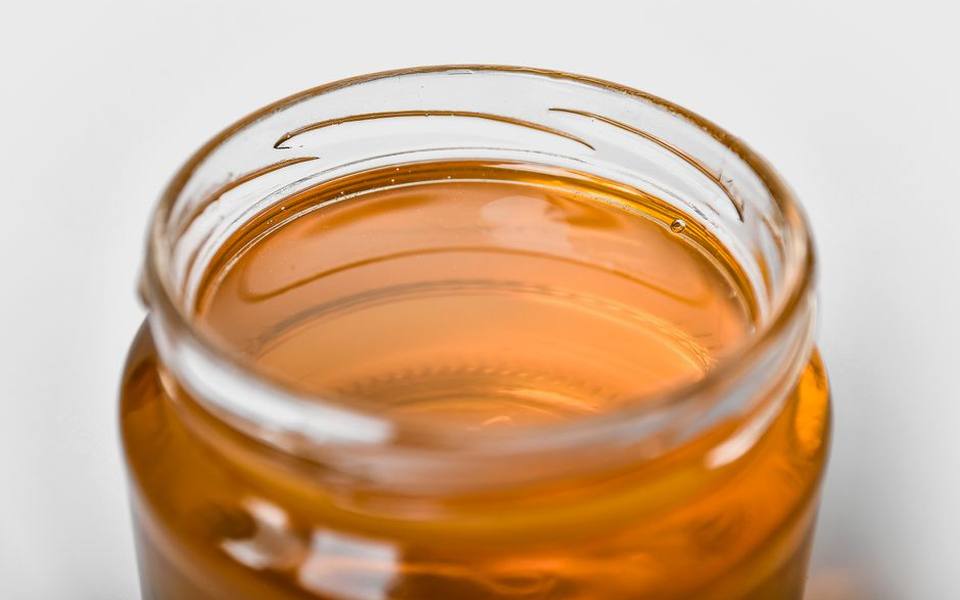
Raw honey straight from the farm extractor is minimally handled. Beekeepers typically allow the extracted honey to settle in stainless steel holding tanks so large wax debris floats to the top, followed by gravity straining through coarse mesh to catch stray hive particles. The honey is never heated past hive temperatures, which in most healthy hives hovers around ninety-five degrees Fahrenheit. This delicate approach preserves live enzymes, volatile floral aromatics, and beneficial pollen grains that reflect the local flora.
When inspecting jars at a farm store, do not expect absolute clarity or uniform light amber colors. Authentic raw honey ranges from nearly translucent water-white to dark opaque brown resembling molasses, depending on the nectar source. Over time, genuine raw honey naturally solidifies into a creamy or grainy texture. Far from being a defect or sign of spoilage, crystallization is the clearest chemical indicator that your jar contains pure, high-fructose, unadulterated bee forage.
Navigating Honey Tasting Bars and Single-Origin Varietals
One of the highlights of visiting an established farm store is the honey tasting flight. Much like wine or olive oil, honey expresses distinct terroir influenced by soil composition, regional rainfall, and the specific blossom species bees visit within a two- to three-mile radius. Farm shops often set up sampling stations with small wooden sticks or spoons, allowing guests to taste the radical differences between spring, midsummer, and autumn floral flows.
Lighter honeys generally derive from early spring blooms such as clover, sweet clover, alfalfa, or blossoming fruit orchards. These varieties feature bright, mild, slightly buttery notes that appeal to families and complement delicate teas or fresh biscuits. If you visit apiaries situated near extensive fruit groves, you might encounter specialty honeys such as citrus or orange blossom, renowned for pronounced floral perfumes and lingering citrus peel finishes.
Darker honeys emerge later in the foraging calendar when plants like goldenrod, buckwheat, tulip poplar, or fall asters bloom across rural pastures. Buckwheat honey, for instance, is deeply robust, malty, and mineral-heavy, often compared to blackstrap molasses or dark malt. Testing these varieties side by side at a tasting counter quickly dispels the notion that all honey tastes the same, helping you choose the right jar for cooking, baking, or morning coffee.
The Seasonal Harvest Rhythm of Regional Apiaries
A honey farm operates on a tight seasonal schedule governed entirely by weather patterns, bloom windows, and colony health. During early spring, beekeepers focus on hive survival, assessing overwintered queens, and providing supplemental feed if early nectar flows are delayed by cold rains. As fields burst into flower, colonies rapidly multiply in population, and beekeepers stack honey supers—additional wooden boxes containing frames—on top of the brood chambers.
The primary honey harvest in most temperate states occurs in mid-to-late summer, typically between July and August. This is when supers fill with capped honey, meaning the bees have fanned the nectar down to an ideal moisture level below eighteen percent and sealed the cells with fresh beeswax. Visiting a farm during extraction season often means you can catch the intoxicating, warm, sweet aroma drifting from the honey house while uncapping knives and centrifugal extractors run at full capacity.
Autumn brings a secondary harvest in regions with rich goldenrod, aster, or knotweed blooms, though beekeepers must balance their harvest with the colony's winter needs. Responsible apiaries prioritize leaving forty to eighty pounds of honey inside each hive to carry the bees safely through winter freezes. Understanding this seasonal cycle helps explain why certain specialty varietals sell out quickly and may only be stocked on farm shelves for a few short months.
Observation Hives, Apiary Tours, and Farmstead Safety
Many destination bee farms welcome families by offering safe educational experiences designed to demystify honey bees. Glass-enclosed observation hives are especially popular in tasting rooms, allowing children and adults to watch worker bees perform their waggle dances, store pollen in brood combs, and tend to the queen bee without any protective suits. Some farms offer guided tours that lead visitors along safe perimeter trails overlooking dozens of colorful painted hives.
If you book an interactive apiary tour that opens active hives, the farm will provide full bee suits, veils, and gloves. Experienced beekeepers use a pine needle or burlap smoker to gently calm the colony before opening the hive boxes, explaining frame anatomy and brood stages in real time. These intimate hive demonstrations depend on favorable weather, as bees turn irritable during cool, overcast, or windy days when foraging is impossible.
When visiting any working farm with active hives on the property, common-sense outdoor safety is essential. Avoid wearing heavy floral perfumes, scented lotions, or dark, fuzzy wool textures that can mimic natural hive predators like bears or skunks. Stick to designated public pathways, wear light-colored clothing, and remind children never to swat at curious guard bees. If a bee hovers nearby, remain calm and walk slowly toward a shaded area or into the farm shop.
Beyond the Jar: Raw Comb, Pollen, Propolis, and Beeswax
A trip to a specialized bee farm opens the door to hive products that go well beyond basic liquid honey bottles. One of the most sought-after farm products is fresh cut comb honey, sold as pristine square blocks submerged in liquid nectar or packed dry in clear plastic boxes. Chewing raw honeycomb delivers pure floral flavor alongside the textured natural wax, making it an extraordinary centerpiece for artisanal cheese boards and charcuterie spreads.
Farm counters also showcase bee pollen, collected by foragers in tiny baskets on their hind legs and harvested via gentle pollen traps at the hive entrance. Fresh, unheated bee pollen consists of soft, multicolored granules with an earthy, nutty, and mildly sweet flavor, commonly sprinkled over breakfast bowls or smoothies. While scientific consensus on pollen health claims varies, consumers value fresh local pollen for its rich concentrations of plant compounds and amino acids.
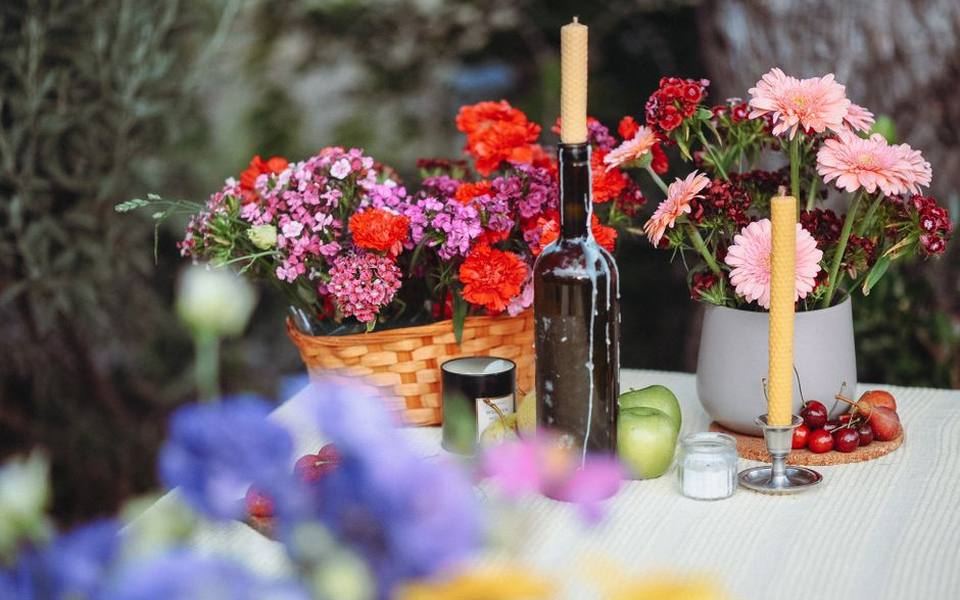
Craft and home-goods enthusiasts will find a diverse selection of non-edible hive treasures. Pure beeswax candles are a farm shop staple, celebrated for their long, clean burn times and sweet, natural honey scent that requires no artificial synthetic fragrances. You will also find restorative skin balms, lip conditioners, and propolis tinctures—a resinous substance bees collect from tree buds to sterilize and seal their hive walls against bacteria and fungal spores.
Farmstand Meaderies and Agricultural Pairings
A growing number of historic and contemporary honey operations have expanded their farm destination appeal by establishing on-site farm wineries and meaderies. Mead, produced by fermenting honey with water and yeast, is arguably humanity's oldest fermented beverage. Visiting an apiary that crafts its own traditional meads, melomels infused with seasonal berries, or sparkling session meads provides a fascinating adult tasting experience rooted entirely in local agriculture.
These farm meaderies frequently collaborate with neighboring farms to create distinctive seasonal recipes. For instance, dry-hopped meads or ciders blended with honey allow regional agricultural flavors to shine side by side. Tasting room staff can explain how changing the base honey varietal from light orange blossom to robust dark wildflower completely transforms the residual sweetness, body, and acidity of the resulting vintage.
Even without alcohol licenses, rural honey farms excel at curated food pairings. Farm pantries typically stock locally made buttermilk biscuit mixes, raw nut butters, farmstead goat cheeses, and small-batch barbecue sauces sweetened with honey rather than high-fructose corn syrup. Picking up a jar of hot honey—infused with fresh habaneros or jalapeños—has also become an extraordinarily popular stop for backyard grillers and pizza makers looking for regional flair.
Pairing Honey Farm Stops with Wider Agritourism Outings
Because honey bees are vital partners in fruit and vegetable production, many top honey farms are nestled directly inside larger agricultural corridors. Planning a weekend drive that connects an apiary visit with other regional farm activities creates an engaging day trip for travelers of all ages. You can easily scout versatile farm stops through the UPickFarmAtlas directory, which details hundreds of working rural destinations across the country.
During early summer, combining a honey run with berry harvesting is a natural match, particularly since honey bees are responsible for pollinating those very crops. You can plan an itinerary centered around U-Pick Blueberry Farms and Orchards, filling flat baskets with ripe fruit before heading down the road to purchase the corresponding blossom honey. In states celebrated for diverse orchards like U-Pick Farms in California, apiaries often sit right against stone fruit groves and almond orchards.
In late summer and early autumn, honey stops blend smoothly with traditional harvest festivals, pumpkin patches, and Farm Destinations with On-Site Corn Mazes. Packing a family vehicle for a rural outing lets you bring home fresh seasonal produce alongside heavy glass containers of autumn honey. Exploring rural belts like those featured among U-Pick Farms in Pennsylvania reveals dozens of multi-generation apiaries nestled quietly near apple orchards and cider presses.
Storing Raw Honey and Managing Natural Crystallization
Once you bring your farm-fresh honey home, proper storage is straightforward but critical to preserve its delicate flavor profile. Raw honey is naturally self-preserving thanks to its high sugar density and naturally low pH, which inhibits bacteria and microbial growth indefinitely. The primary rule is to store jars in a dry pantry cupboard at room temperature, ideally between sixty-five and seventy-five degrees Fahrenheit, keeping lids sealed tight against ambient moisture.
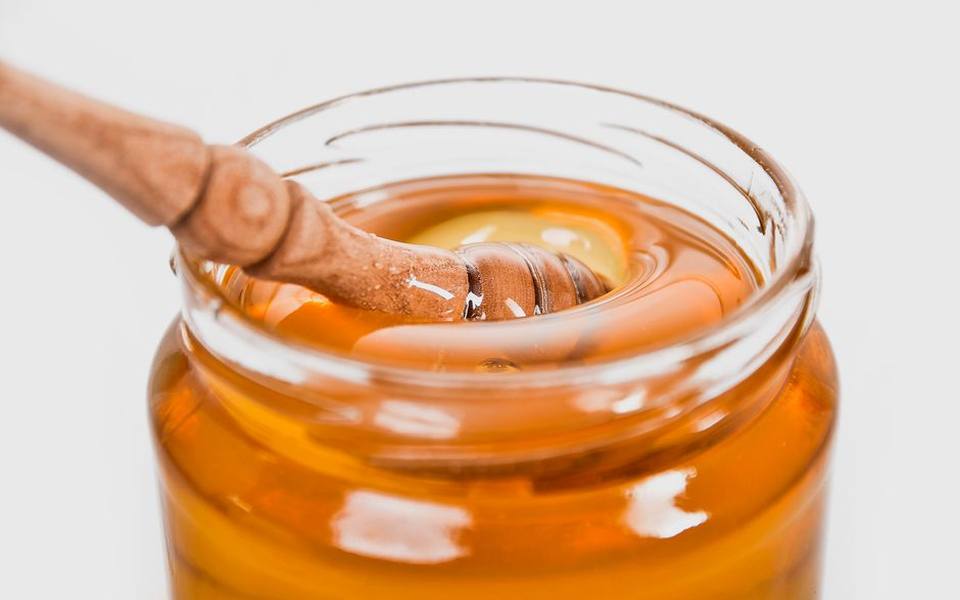
Avoid storing honey inside a refrigerator. Cold temperatures below fifty-five degrees dramatically accelerate the crystallization process, turning liquid honey into a dense, solid mass prematurely. Similarly, keeping jars on sunny windowsills or right next to a hot kitchen stovetop can degrade heat-sensitive aromatic compounds and cause the delicate varietal nuances to darken or dissipate over time.
When your raw honey inevitably crystallizes into a thick, cloudy paste, remember that it has not spoiled. You can easily reliquefy the honey by placing the glass jar into a warm water bath heated to roughly one hundred degrees Fahrenheit on your stove, stirring gently until the crystals dissolve. Alternatively, embrace crystallized honey as a luxurious spread; its fine, buttery texture sits on morning toast or warm scones without dripping or creating a sticky mess.
How to Vet Farm Labels and Support Independent Beekeepers
Navigating honey purchases requires looking past marketing buzzwords and asking the beekeeper direct, informed questions at the farm counter. While terms like 'all-natural' carry little regulatory weight, a reputable local producer will happily tell you where their hives are stationed, whether their bees were treated for common pests using organic-approved protocols, and whether the honey has been coarse-strained rather than micro-filtered.
Be sure to inspect the label for clear geographic origin. Truly local honey should identify the specific city, county, or regional valley where the apiaries reside, rather than simply stating 'distributed by' an out-of-state packaging warehouse. If you are shopping across diverse regions with deep agricultural traditions, visiting registered operations featured in broad state listings like Pick Your Own Farms and Orchards helps you verify established family-owned locations.
Purchasing directly from regional beekeepers provides direct economic support to stewards who maintain healthy pollinator populations in your area. Commercial beekeeping faces persistent headwinds from habitat loss, pesticide drift, and devastating parasitic Varroa mites. By paying a fair farmstand price for pure, unblended raw honey, you invest directly in regional environmental resilience, supporting small agriculturalists who protect the vital insects that sustain our broader food supply.
Published 2026-09-21 · reviewed with each rebuild, last September 2026.
Find u-pick farms near you
The directory lists 3,339 u-pick farms by state and city — pick your state or use the “Near me” button in the header.
More guides
-
 Buying
When Is Strawberry Season? Peak Months and U-Pick Picking Guide
-
 Buying
Pumpkin Patch Visitor Guide: Opening Dates, Pricing, and Selection Tips
-
 Buying
How to Pick Ripe Produce: Melons, Roots, Citrus, and Greens
-
 Storage
How to Peel and Preserve Fresh Peaches: Blanching, Freezing, and Variety Tips
-
 Buying
Best Apples for Baking Pies and Cakes: Crispness and Flavor Guide
-
 Buying
What Is Raw Cow Milk? Benefits, Safety Rules, and Sourcing
-
 Buying
Apple Picking Guide: Bushel Measurements, Costs, Storing, and Washing
-
 Money
MoneyBlackberry Farm Pricing Guide: Costs, Accommodations, and Seasonal Farmstead Skills
-
 Buying
A Guide to Shopping Local Farmers Markets, Farm Stands, and CSA Boxes
-
 Buying
Apple Orchard and Cider Mill Guide: U-Pick Apples, Cider, and Fall Treats
-
 Buying
Fall Agritourism Guide: Corn Mazes, Pumpkin Patches, and Autumn Festivals
-
 Buying
U-Pick Flower Fields: Guide to Tulips, Lavender, Sunflowers, and Dahlias
-
 Buying
Agritourism Experiences: Goat Yoga, Farm Stays, and Rustic Barn Venues
-
 Owning
Seasonal Guide to U-Pick Berries and Fruit Orchards: Cherries, Berries, and Peaches
-
 Buying
Fall Agritourism Guide: Pumpkin Patches, Corn Mazes, and Harvest Festivals
-
 Owning
On-Farm Floral Workshops and Flower Arrangement Classes Guide
-
 Owning
A Complete Guide to U-Pick Fruit Orchards: Berries, Stone Fruit, Citrus, and Vines
-
 Owning
Comprehensive Guide to Fresh Apples, Cider Pressing, and Canning Recipes
-
 Owning
Livestock Feeds and Feeding Equipment Selection Guide
-
 Owning
Fruit Picking Guide: U-Pick Orchards and Harvest Tools
-
 Buying
Flower Farm Guide: U-Pick Fields, Fresh Bouquets, and Workshops