The Rhythm of Autumn Farm Visits and Harvest Season
Visiting a working farm between late September and early November offers a direct connection to the agricultural calendar. Across the country, operations shift from warm-season crops into pumpkins, winter squash, and seasonal festivities. Planning a trip begins with understanding local seasonality. Northern growers tend to open their gates by mid-September, whereas southern growers often pace their peak activities well into October to avoid lingering summer heat. Taking time to review farm schedules prevents arriving before fields are ready.
A central element of the autumn harvest tradition revolves around the astronomical calendar. Many growers host twilight gatherings and evening hayrides timed around late-season harvest moons. These bright, full lunar phases historically allowed farmers to work later into the evening, clearing fields before early frosts took hold. Today, farms use that ambient evening light to stage flashlight walks, campfire circles, and late-night patch admissions that give visitors a completely different perspective than daytime field picking.
Before setting out, it helps to identify what specific experience you want out of your farm day. Some locations focus purely on traditional fruit and vegetable gathering, while others build comprehensive festival atmospheres complete with food vendors and live entertainment. Browsing regional directories like pick-your-own farms and orchards helps clarify which sites emphasize quiet field gathering versus full agritourism spectacles with extensive children's programming.
Corn Mazes Versus Hay Mazes: What to Expect in the Field
Field mazes are among the most labor-intensive attractions an agritourism operation can create, requiring months of precision planting and early-season GPS mapping. The classic corn maze typically covers several acres, with towering stalks reaching eight to ten feet high by late September. Walking through an expansive path system takes anywhere from twenty minutes to over an hour, depending on the layout complexity and trail conditions.
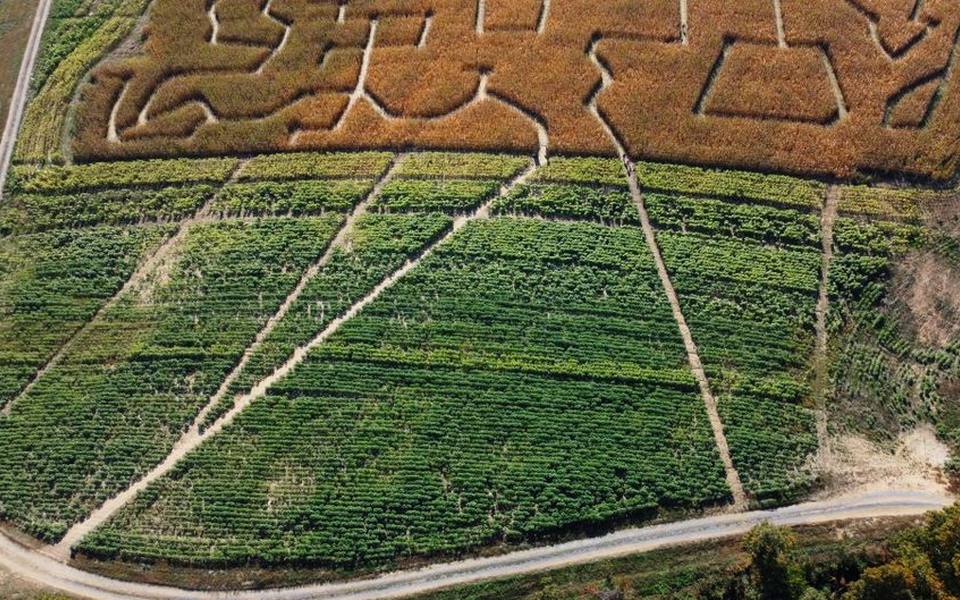
Historic community attractions, such as the long-running Mid South Maze in Tennessee, demonstrate how these designs have evolved from simple geometric trails into sprawling works of aerial art. Navigating these paths requires comfortable, closed-toe footwear and a bit of patience. Paths can become dusty in dry weather or thick with sticky mud after autumn rains. Checking recent weather reports before entering helps you select the right boots for walking between tall stalks.
For families with toddlers or visitors who prefer shorter, accessible routes, a hay maze serves as an ideal alternative. Constructed from stacked straw or hay bales, these low-profile labyrinths let parents watch children over the top of the walls. They provide safe exploration without the risk of getting disoriented in deep field rows. Checking our directory of farm destinations with on-site corn mazes helps identify which venues offer both high-density field trails and small straw courses for kids.
Selecting Small Sugar Pumpkins for the Kitchen
Not all pumpkins serve the same culinary purpose, and walking into a field without knowing the difference often results in disappointing pies. The standard giant field pumpkin bred for front-porch carving carries high water content, stringy pulp, and relatively little natural sugar. When cooked, carving varieties yield thin, watery purees that lack depth. Understanding field varieties ensures your kitchen projects turn out flavorful and rich.
Culinary lovers look specifically for small sugar pumpkins, frequently labeled as pie pumpkins or sweet pumpkins in farm stands. These compact cultivars typically weigh between two and six pounds, featuring dense, smooth flesh with far less moisture than decorative specimens. Their concentrated starches break down into silky purees ideal for custards, muffins, bisques, and spiced breads. Because the rind is thicker and the interior cavity is tight, slicing them requires a sharp chef's knife.
When harvesting sweet culinary varieties straight from the vine, seek out fruits that feel surprisingly heavy for their size. The stem should be firm, dark, and dry, which indicates full maturity. Avoid specimens with soft spots along the blossom end or pale green areas on the rind. If you live in classic orchard regions like upstate orchards listed among u-pick farms in New York, you will often find pie squash displayed right alongside fresh cider pressings.
Unusual Heirlooms: From Blue Jarrahdale to French Antiques
In recent years, farm stands have embraced historic squash varieties that challenge the notion that all autumn gourds must be bright orange. These heirloom cultivars bring fascinating architectural shapes, deeply ribbed skins, and an expansive spectrum of colors ranging from pale sage green to deep slate blue. Incorporating these unique specimens elevates both indoor seasonal displays and kitchen recipes.
One standout variety grown on diverse specialty farms is the blue Jarrahdale pumpkin. Originally developed in Australia, this medium-to-large heirloom features a smooth, slate-blue to gunmetal-gray rind with pronounced ribs. Inside, its golden-orange flesh is dry, dense, and naturally sweet, making it just as valuable for roasting as it is for decorative porch styling. Because of its sturdy exterior skin, a sound Jarrahdale can remain fresh for several months when kept in a cool space.
Another exceptional heirloom frequently displayed at regional farms is the Musquee de Provence pumpkin, an antique French variety reminiscent of a flattened, deeply scalloped wheel of cheese. The skin matures from dark green to a rich, warm buckskin bronze. Inside, the deep orange pulp delivers a fragrant, melon-like sweetness that chefs prize for savory gratins and soups. Exploring heritage patches across u-pick farms in Michigan frequently reveals these vintage French squashes cured directly on open hay wagons.
Harvesting and Storing Heirloom Pumpkin Seeds
Bringing home open-pollinated heirloom squash gives you a unique opportunity to save viable seeds for your home garden. Commercial carving pumpkins are often modern hybrids that do not produce true-to-type fruit in subsequent generations. True heirlooms, however, carry stable genetics that will replicate their parents as long as the blossom was not cross-pollinated by a different squash variety nearby.
To collect heirloom pumpkin seeds, scoop the interior cavity into a large bowl filled with clean, cool water. Work the pulpy strands with your fingers; healthy, mature seeds will sink slightly or separate easily from the fibrous web, while hollow or underdeveloped seeds float to the surface. Discard the stringy pulp, drain the viable seeds thoroughly in a colander, and rinse away any remaining sugars that could harbor mold during the drying process.
Spread your cleaned seeds in a single layer across flat parchment paper, unbleached butcher paper, or mesh drying screens. Avoid paper towels, as damp seeds cling stubbornly to wood fibers. Place the trays in a warm, well-ventilated room out of direct sunlight for two to three weeks. Once the shells snap cleanly in half rather than bending, transfer them to labeled paper envelopes or airtight glass jars kept in a dark pantry.
Carving Techniques for Striking Jack-o'-Lanterns
Creating an awesome jack o lantern starts long before carving tools touch the rind. The best candidates for detailed carving are traditional field specimens that feature broad, relatively flat faces and sit upright on their own base without wobbling. Look for a strong, well-cured stem, but never use the stem as a carrying handle, as breaking it tears the upper rind and accelerates rot.
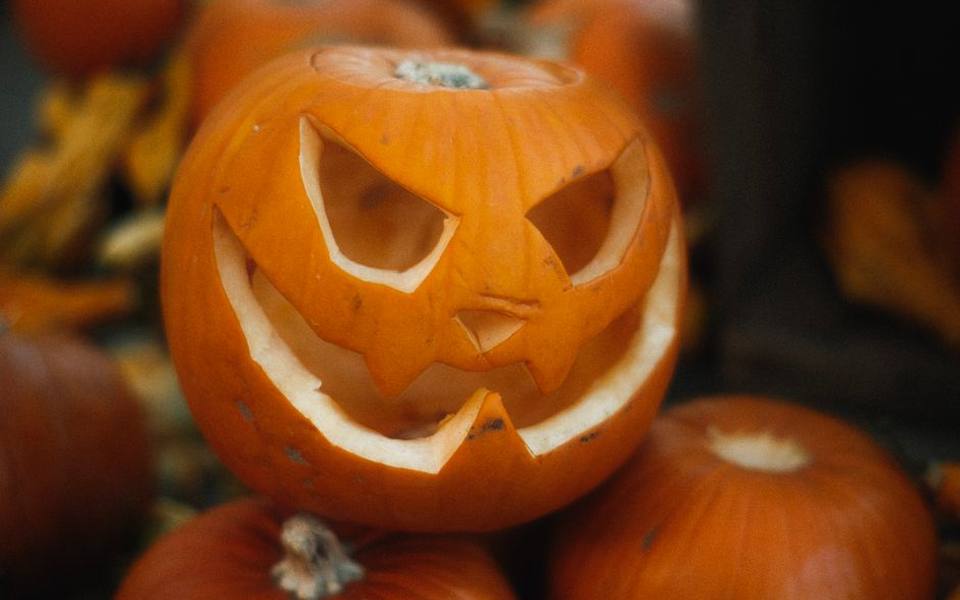
To produce the coolest jack o lanterns with depth and drama, professional carvers rely on surface etching rather than simply cutting hollow holes all the way through the flesh. By shaving away just the colorful outer skin using linoleum cutters or clay-loop tools, you allow internal light to filter through translucent rind layers. This technique creates gradients, highlights, and lifelike skin textures that stand out sharply once illuminated from within.
Lighting choice also dictates the final appearance of your display. While a wax candle provides a natural flicker, the heat it generates essentially bakes the pumpkin interior from the inside out, causing rapid softening within forty-eight hours. Using bright battery-operated LED pucks or multi-spectrum lights keeps the interior cool, extending your carving's display life while offering options for dramatic color shifts such as eerie greens or deep ambers.
Surface Artwork and Non-Carve Pumpkin Decorating
If you want autumn decorations that survive well into late November without softening, non-invasive decorative methods provide a durable alternative to knife work. Piercing the skin invites airborne bacteria and moisture loss, which typically limits carved specimens to less than a week in mild weather. Keeping the outer rind intact allows the squash to retain its structural integrity through Thanksgiving.
Producing awesome pumpkin paintings requires proper surface preparation before applying any pigments. Wipe the field dirt away using a damp towel with a drop of mild dish soap, and allow the fruit to dry completely. A light coat of water-based spray primer helps acrylic paints adhere to the naturally waxy rind. Outdoor-grade acrylic paints deliver vibrant pigmentation without peeling when exposed to cool morning dew or afternoon sun.
You can achieve the coolest pumpkin design by combining hand-painted patterns with decoupage, metallic leafing, or modern geometric stencils. Matte black silhouettes painted against pale blue or white pumpkins create striking, high-contrast porch accents. Once your painted design has dried for a full twenty-four hours, apply a clear acrylic spray sealant over the painted sections to lock out humidity and prevent weather streaking.
Warm-Climate Fall Festivals and Regional Variations
Autumn farm trips take on distinctly different styles depending on the geographic region you explore. While northern states celebrate with wool sweaters, hard cider, and crisp mountain breezes, southern operations have adapted the fall harvest tradition to warmer climates. Visiting a farm in the South provides an equally festive experience, but with adjustments for sunlight, temperature, and local crop cycles.
Major southern gathering spots, exemplified by the popular Southern Hill Farms fall festival near Orlando, demonstrate how warm-climate destinations blend seasonal pumpkin patches with regional specialties like late-blooming sunflower fields, food trucks, and open-air music. Operations listed among u-pick farms in Florida often bring in northern field pumpkins while offering u-cut zinnia patches and fall strawberry bed preparations under bright southern skies.
When attending festivals in warmer latitudes, timing your arrival for earlier morning hours or late afternoon prevents walking field rows in direct midday sun. Bring insulated water bottles, wear breathable sun-protective layers, and consider packing a cooler in your trunk. Keeping delicate ornamental pumpkins or fresh farm bakery items out of hot car interiors ensures everything arrives home in pristine shape.
Field Manners, Footwear, and Family Logistics
Visiting a working farm requires adjusting your expectations away from manicured park environments. Agritourism sites operate on working agricultural ground, meaning you will encounter uneven furrows, damp clay, prickly vines, and low-lying irrigation equipment. Wearing sturdy, closed-toe walking shoes or waterproof ankle boots prevents twisted ankles and makes navigating tractor paths comfortable for everyone.

Most farms supply wooden wagons or utility wheelbarrows for hauling heavy selections out of distant fields, but supplies can run low during peak weekend hours. Bringing your own folding garden cart can save substantial waiting time when parking areas are busy. If you bring children along, establish clear boundaries about staying together, avoiding tractor paths, and handling vines gently so remaining crops are not damaged for other visitors.
Pet policies vary widely across farm businesses due to strict agricultural food safety regulations. While some agritourism festivals allow leashed dogs in open entertainment courtyards, working harvest fields and picking zones generally prohibit outside domestic animals. Always check a farm's individual rules regarding pets, outside food, and stroller accessibility before packing up the vehicle for your weekend outing.
Curing, Storing, and Displaying Your Harvest
How long your pumpkins and squash survive on the front porch depends largely on curing and placement. Commercial growers cure their crops by leaving them in dry, sunny fields or warm sheds for ten to fourteen days after cutting the vine. This process hardens the rind, heals superficial scratches, and concentrates internal starches. When selecting from a farm, choose specimens with hard stems that feel completely dry.
Placement on your home property makes a noticeable difference in longevity. Avoid setting whole pumpkins directly onto bare soil, damp concrete, or unsealed wood steps, as ground moisture pulls into the base and triggers premature mold. Resting squashes on small wooden slats, a layer of clean straw, or decorative wire risers promotes air circulation underneath and prevents moisture pooling.
Temperature management is the final step in protecting whole autumn displays. Pumpkins preserve best in dry conditions between fifty and sixty degrees Fahrenheit. If your area expects a hard freeze, move uncarved pumpkins into a garage or covered porch overnight. Freezing ruptures the cell walls of the squash, causing the rind to turn soft and collapse as soon as daytime temperatures rise again.
Published 2026-09-21 · reviewed with each rebuild, last September 2026.
Find u-pick farms near you
The directory lists 3,339 u-pick farms by state and city — pick your state or use the “Near me” button in the header.
More guides
-
 Buying
When Is Strawberry Season? Peak Months and U-Pick Picking Guide
-
 Buying
Pumpkin Patch Visitor Guide: Opening Dates, Pricing, and Selection Tips
-
 Buying
How to Pick Ripe Produce: Melons, Roots, Citrus, and Greens
-
 Storage
How to Peel and Preserve Fresh Peaches: Blanching, Freezing, and Variety Tips
-
 Buying
Best Apples for Baking Pies and Cakes: Crispness and Flavor Guide
-
 Buying
What Is Raw Cow Milk? Benefits, Safety Rules, and Sourcing
-
 Buying
Apple Picking Guide: Bushel Measurements, Costs, Storing, and Washing
-
 Money
MoneyBlackberry Farm Pricing Guide: Costs, Accommodations, and Seasonal Farmstead Skills
-
 Buying
A Guide to Shopping Local Farmers Markets, Farm Stands, and CSA Boxes
-
 Buying
Apple Orchard and Cider Mill Guide: U-Pick Apples, Cider, and Fall Treats
-
 Buying
Fall Agritourism Guide: Corn Mazes, Pumpkin Patches, and Autumn Festivals
-
 Buying
U-Pick Flower Fields: Guide to Tulips, Lavender, Sunflowers, and Dahlias
-
 Buying
Agritourism Experiences: Goat Yoga, Farm Stays, and Rustic Barn Venues
-
 Owning
Seasonal Guide to U-Pick Berries and Fruit Orchards: Cherries, Berries, and Peaches
-
 Owning
On-Farm Floral Workshops and Flower Arrangement Classes Guide
-
 Owning
A Complete Guide to U-Pick Fruit Orchards: Berries, Stone Fruit, Citrus, and Vines
-
 Buying
Honey Farm Visits, Local Apiaries, and Raw Honey Buying Guide
-
 Owning
Comprehensive Guide to Fresh Apples, Cider Pressing, and Canning Recipes
-
 Owning
Livestock Feeds and Feeding Equipment Selection Guide
-
 Owning
Fruit Picking Guide: U-Pick Orchards and Harvest Tools
-
 Buying
Flower Farm Guide: U-Pick Fields, Fresh Bouquets, and Workshops