Evaluating Field Marks and Weight in Whole Watermelons
Finding a sweet watermelon in a retail bin comes down to physical density and the underside color rather than tapping tricks. Lift several melons of comparable size; the rippest specimen will feel distinctly heavy for its volume, indicating that it is loaded with water and natural sugars rather than hollow tissue. A melon that feels unexpectedly light has typically dried out internally or failed to develop full juice content on the vine.
Inspect the underside of the fruit for the ground spot, also known as the field spot. This is the flat area where the watermelon rested against the soil while maturing in the field. You want to see a creamy, butter-yellow or warm amber hue. If the spot is stark white, greenish, or barely noticeable, the grower cut the melon before it finished developing its sugar profile, and watermelons do not continue to sweeten once severed from the vine.
Examine the skin finish and surface markings across the rind. A dull, matte surface usually signals ripeness, whereas a bright, glossy exterior often points to an immature melon. Look closely for rough brown patches or web-like lines, often referred to as sugar scars or pollination webbing. These coarse lines develop when bees pollinate the blossom multiple times, which frequently correlates with sweeter interior flesh.
Testing Muskmelons and Cantaloupes for Peak Sweetness
Selecting a ripe cantaloupe requires checking the stem end before examining anything else. Mature cantaloupes detach naturally from the vine through a process called slipping. Look at the shallow indentation where the stem once connected; it should be smooth, clean, and concave, showing that the fruit separated cleanly without leaving jagged remnants of vine. A jagged stem stub indicates the melon was sliced away prematurely.
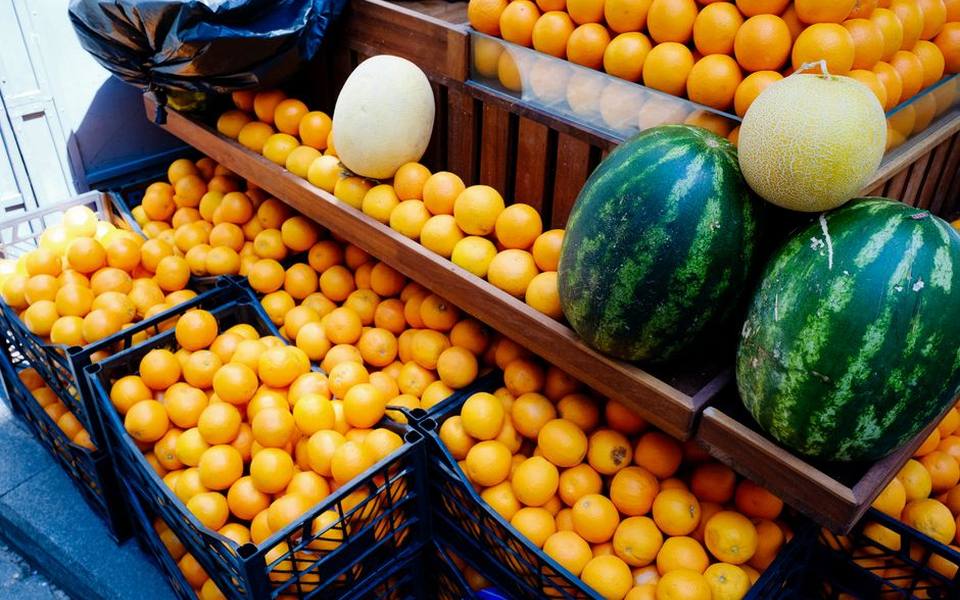
Skin color beneath the raised netting tells the story of sugar maturity. The raised web pattern should sit on top of a warm tan, beige, or pale golden-yellow background. If the skin underneath that rough netting remains olive green or grayish, the cantaloupe was harvested before reaching optimal quality. While the flesh might soften slightly on your counter, its sugar content is largely locked at the moment of harvest.
Bring the blossom end—the side opposite the stem scar—directly to your nose. A mature cantaloupe emits a sweet, musky, floral aroma that is noticeable even through the rind. If you detect no fragrance at all, the fruit lacks ripeness; if the scent smells fermented, sharp, or vinegary, decay has already started inside. Shoppers browsing crates at California farm stands or grocery markets can use this tactile aroma check to avoid bland fruit.
Choosing Dense and Blemish-Free Sweet Potatoes
Selecting quality sweet potatoes requires paying attention to skin integrity and firmness. The ideal tuber feels solid and dense when squeezed firmly in your palm, showing no sponginess near the tapered tips. Avoid roots with soft spots, wrinkled ends, or noticeable moisture leaks, as these are clear indicators that the internal flesh has begun breaking down from age or poor temperature handling during storage.
Look for clean, relatively smooth skin with uniform coloration typical of the specific cultivar, whether that means deep copper, rose, or creamy tan. Minor surface scratches from harvest are harmless if they are dry and calloused over, but deep gashes or dark, sunken blemishes suggest fungal rot that alters the flavor of the entire tuber. Sprouting eyes are another sign of older stock that has started converting stored starch into vine growth.
Size matters depending on how you plan to cook the root. Small to medium-sized sweet potatoes often cook more evenly and tend to have a less stringy texture than oversized jumbo tubers. If you visit open markets during autumn harvest events or pick through bins sourced from major growing hubs like those in North Carolina harvesting regions, prioritize uniform, moderately sized roots for consistent roasting results.
Identifying Tight and Well-Cured Garlic Bulbs
A reliable head of garlic feels hard, compact, and dry when you cup it in your hand. Gently press the individual cloves through the outer sheath; they should feel tight against one another with no internal air gaps, softness, or collapsing segments. If the bulb yields easily under thumb pressure or feels powdery beneath the wrapper, the cloves inside have likely shriveled or fallen victim to internal mold.
The papery outer skin provides natural protection and gives clear clues about curing quality. Search for heads with several layers of dry, rustling wrapper that cover the cloves completely. While natural purple or brown striping is completely normal across hardneck and softneck varieties, widespread damp dark patches or gray dust indicate moisture damage or fungal growth during storage.
Check the neck of the garlic bulb where the leaves were trimmed. Avoid any head showing green sprouts emerging from the top or green tips visible through the cloves. Sprouted garlic remains edible, but the developing germ draws sulfur and moisture from the clove tissue, leaving behind a bitter, acrid flavor and hollow texture that ruins delicate pan sauces and dressings.
Evaluating Oranges for Maximum Juice and Sweetness
The single most reliable indicator of a sweet, juicy orange is its heft. When comparing two oranges of equal dimensions, always pick the one that feels noticeably heavier in your palm. That additional weight represents high juice volume; lighter fruit typically contains thicker inner pith and dry, fibrous pulp that yields very little liquid when sliced or pressed.
Examine the texture of the peel rather than focusing strictly on color. High-quality oranges generally feature thin, finely textured rinds that conform closely to the segments inside, giving the fruit a taut, solid feel. Puffy, loose-skinned oranges with coarse, deeply dimpled rinds often correspond to thicker pith and lower sugar concentrations across standard Navel and juice varieties.
Do not be discouraged by small patches of green skin or minor brown blemishes known as wind scarring. In warm weather, mature oranges on the tree often reabsorb chlorophyll—a natural process called regreening—without losing interior sweetness. When sourcing fresh fruit at roadside packing houses or citrus orchards in Florida, trust density and a clean, bright citrus fragrance at the stem end over flawless surface pigmentation.
Selecting Thin-Skinned and Juicy Grapefruit
A superior grapefruit should feel heavy and slightly flat rather than like a rigid, perfect sphere. Fruit that shows subtle flattening at the stem and blossom ends, or sports an oval profile, typically carries a much thinner rind than perfectly round counterparts. That thin rind means more edible segment space and higher juice yield per pound.
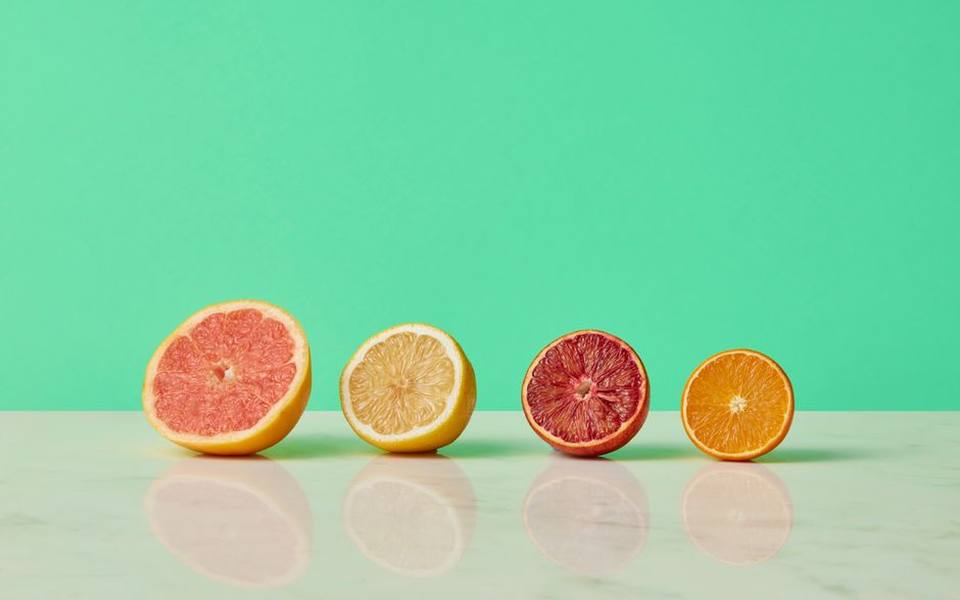
Give the fruit a gentle squeeze to judge skin elasticity. A prime grapefruit yields marginally under steady pressure without feeling soft, spongy, or hollow. If the exterior feels like a thick rubber ball with zero flexibility, the pith layer is usually massive and the juice sacs beneath remain undersaturated. The peel should appear smooth and slightly glossy across pink, ruby, or white varieties.
Minor surface scratches, russeting, or reddish blushing on the rind have no negative impact on internal sweetness. In fact, deep reddish-pink flushes on varieties like Rio Red often hint at high lycopene development in the pulp. Avoid specimens with pointed stem ends, mushy spots around the button, or dull, papery rinds that indicate prolonged cold storage dehydration.
Assessing Kiwi Fruit for Table-Ready Tenderness
Kiwi fruit is one of the few items that ripens reliably after being picked, meaning your selection strategy depends on when you plan to eat it. To test for immediate eating, hold the fruit between your thumb and forefinger and apply gentle, even pressure. A ripe kiwi gives slightly under moderate force, feeling similar to a ripe peach or avocado without collapsing into mush.
If you encounter only rock-hard kiwis at the display, you can safely bring them home to ripen over several days. Hard kiwis respond readily to natural ethylene gas; simply place them in a loosely closed paper bag with an apple or banana at room temperature. Avoid purchasing kiwis that have soft bruises, wrinkled brown skin, or visible dampness around the stem, as these will rot before ripening evenly.
Look over the skin for uniform brown fuzz and an unblemished surface. The fruit should be plump from end to end without shriveling, which signals moisture depletion from prolonged refrigeration. Once a kiwi softens to a gentle yield, transfer it to the refrigerator crisper drawer where it will maintain its peak texture and bright acidity for several days.
Differentiating Fuyu and Hachiya Persimmons
Successfully picking persimmons begins with identifying which variety you are holding, because their ripeness rules are opposites. Non-astringent varieties, most commonly Fuyu, are shaped somewhat like flattened tomatoes with squat, squared shoulders. Astringent varieties, primarily Hachiya, are larger and shaped like elongated acorns with distinct pointed bottoms. Mixing up these types leads to an unpleasantly chalky mouthfeel.
Fuyu persimmons are meant to be eaten while firm and crisp, much like an apple. Look for Fuyu fruit that displays a deep, saturated orange or vermilion hue across the entire surface, free of green undertones. The flesh should feel solid to the touch with only slight give when pressed. You can slice and eat them raw while they retain this firm snap.
Hachiya persimmons, by contrast, are intensely astringent due to high soluble tannin levels until they are completely, overwhelmingly soft. When selecting Hachiyas, choose unblemished, glossy orange fruit and allow them to soften at home until they resemble water balloons filled with jelly. Exploring diverse tree varieties through regional pick-your-own operations allows you to sample both styles at their ideal stages of maturity.
Picking Crisp Collard Greens and Cooking Herbs
Fresh collard greens should display deep, rich forest-green leaves supported by firm, rigid stems. When you hold a bunch upright, the leaves should stand erect rather than drooping limp over your wrist. Avoid bunches with yellowing leaf tips, brown edges, or translucent spots, as these symptoms indicate aging foliage that will taste unpleasantly bitter and sulfurous when simmered.
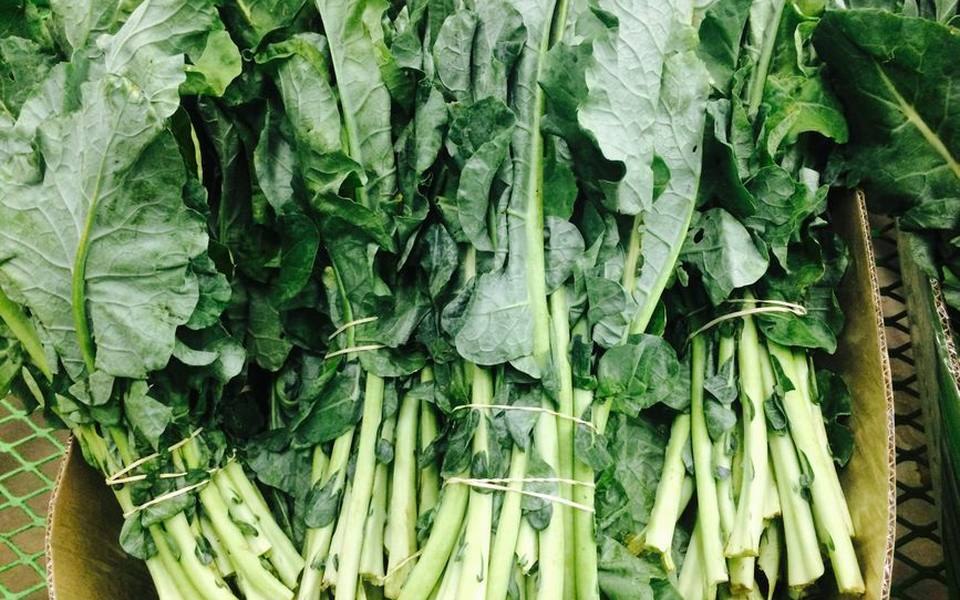
Inspect the undersides of the broad leaves and the interior of the bunch. The leaves should show clean surfaces without tiny white spots, insect perforations, or gray mold. Smaller to medium-sized leaves tend to offer a more tender texture and milder flavor profile, whereas huge, leathery leaves contain thicker central ribs that require trimming and extended braising times to soften properly.
Test for internal hydration by listening for a clean snap when bending the lower stem end. High-moisture greens harvested during cool weather yield the sweetest flavor, as frost stimulates natural sugar accumulation in brassicas. Visiting regional farm stalls or markets featuring growers like those listed among produce growers in New York during autumn ensures you get freshly cut greens that hold up to prolonged pot cooking.
Understanding Produce Categories and Countertop Ripening
Knowing whether a crop is climacteric or non-climacteric saves both money and culinary disappointment. Climacteric crops—such as cantaloupes, kiwis, and persimmons—can convert stored starches into sugars or soften their internal cell structures after harvest under the influence of ethylene. Non-climacteric crops, including oranges, grapefruits, and watermelons, will never develop additional sugar once picked from the plant.
Citrus and watermelons will simply soften, lose moisture, and eventually spoil if left sitting on a warm counter in hopes of improving their flavor. If an orange or watermelon is sour or watery on the day of harvest, it remains that way until consumed. For these items, strict selection at the point of purchase is critical to getting a satisfactory eating experience.
Keep root crops and alliums separated from moisture and direct sunlight. Garlic heads and sweet potatoes require cool, well-ventilated pantry storage rather than refrigeration, which alters their internal starch balances and encourages premature sprouting. Developing a systematic inspection routine based on weight, skin texture, and aroma guarantees that what you bring home from the market performs well on your plate.
Published 2026-09-20 · reviewed with each rebuild, last September 2026.
Find u-pick farms near you
The directory lists 3,339 u-pick farms by state and city — pick your state or use the “Near me” button in the header.
More guides
-
 Buying
When Is Strawberry Season? Peak Months and U-Pick Picking Guide
-
 Buying
Pumpkin Patch Visitor Guide: Opening Dates, Pricing, and Selection Tips
-
 Storage
How to Peel and Preserve Fresh Peaches: Blanching, Freezing, and Variety Tips
-
 Buying
Best Apples for Baking Pies and Cakes: Crispness and Flavor Guide
-
 Buying
What Is Raw Cow Milk? Benefits, Safety Rules, and Sourcing
-
 Buying
Apple Picking Guide: Bushel Measurements, Costs, Storing, and Washing
-
 Money
MoneyBlackberry Farm Pricing Guide: Costs, Accommodations, and Seasonal Farmstead Skills
-
 Buying
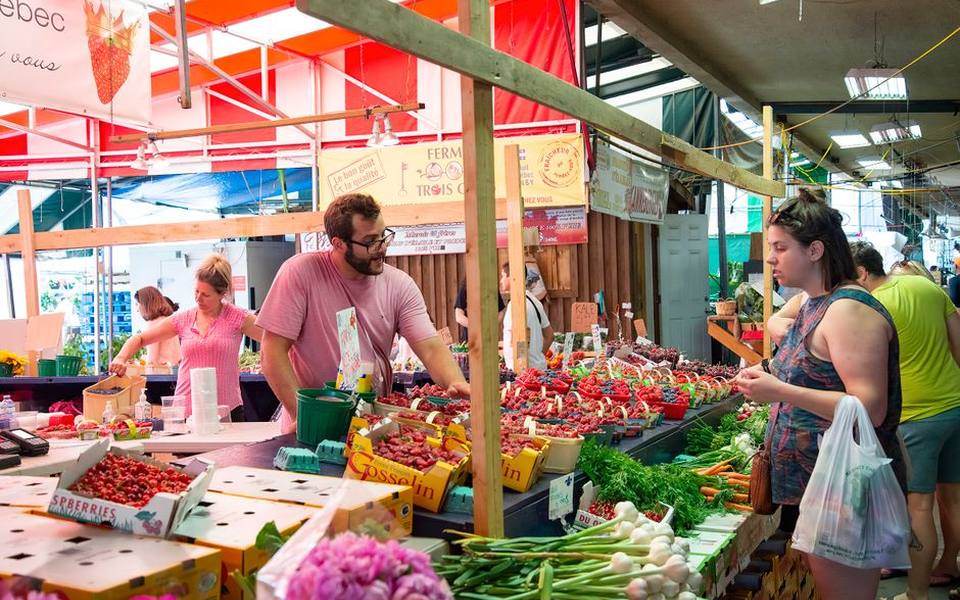
A Guide to Shopping Local Farmers Markets, Farm Stands, and CSA Boxes
-
 Buying
Apple Orchard and Cider Mill Guide: U-Pick Apples, Cider, and Fall Treats
-
 Buying
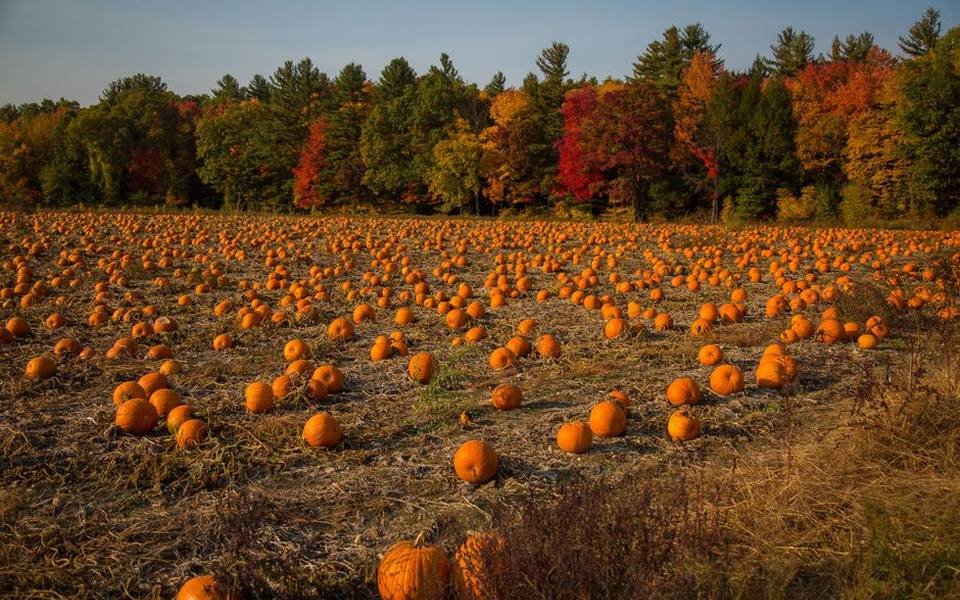
Fall Agritourism Guide: Corn Mazes, Pumpkin Patches, and Autumn Festivals
-
 Buying
U-Pick Flower Fields: Guide to Tulips, Lavender, Sunflowers, and Dahlias
-
 Buying
Agritourism Experiences: Goat Yoga, Farm Stays, and Rustic Barn Venues
-
 Owning
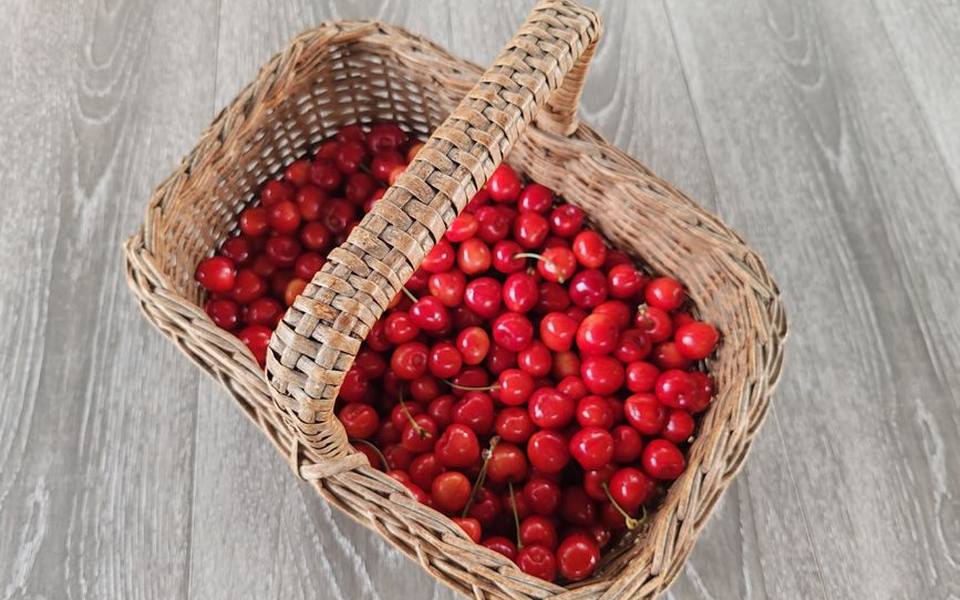
Seasonal Guide to U-Pick Berries and Fruit Orchards: Cherries, Berries, and Peaches
-
 Buying
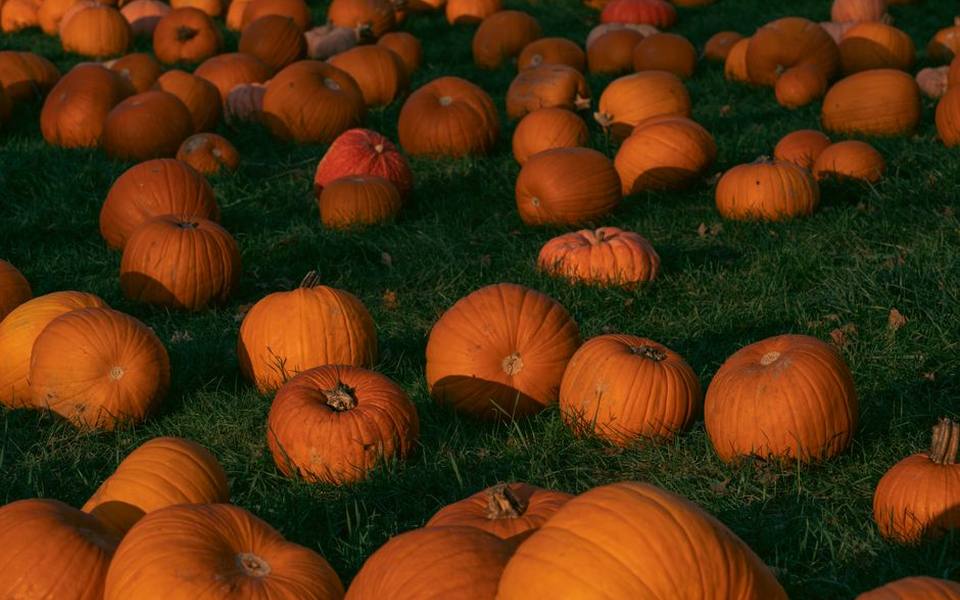
Fall Agritourism Guide: Pumpkin Patches, Corn Mazes, and Harvest Festivals
-
 Owning
On-Farm Floral Workshops and Flower Arrangement Classes Guide
-
 Owning
A Complete Guide to U-Pick Fruit Orchards: Berries, Stone Fruit, Citrus, and Vines
-
 Buying
Honey Farm Visits, Local Apiaries, and Raw Honey Buying Guide
-
 Owning
Comprehensive Guide to Fresh Apples, Cider Pressing, and Canning Recipes
-
 Owning
Livestock Feeds and Feeding Equipment Selection Guide
-
 Owning
Fruit Picking Guide: U-Pick Orchards and Harvest Tools
-
 Buying
Flower Farm Guide: U-Pick Fields, Fresh Bouquets, and Workshops