Understanding Luxury Farmstead Rates and Inclusions
Planning a getaway to premier rural estates like Blackberry Farm in the foothills of the Great Smokies requires understanding their all-inclusive luxury pricing structure. Nightly rates typically start around one thousand dollars and can exceed several thousand dollars per night depending on the accommodation tier, season, and party size. These costs reflect an immersive pastoral sanctuary rather than a standard country inn.
When evaluating estate prices, notice what the base tariff includes before adding specialty itineraries. Standard reservations usually bundle nightly lodging, gourmet breakfasts, lunches, and multi-course dinners crafted by estate chefs using seasonal farmstead harvests. Premium wines, specialty spirits, guided fly fishing, spa services, and private culinary demonstrations always add separate fees to the final folio.
Travelers comparing regional agro-tourism options often balance ultra-exclusive stays with casual agricultural adventures across nearby valleys. If your goal is simply connecting with regional agriculture and gathering fruit alongside local growers, exploring standard pick your own farms and orchards offers an accessible alternative to five-star resort pricing.
Accommodation Options and What Influences Nightly Costs
Accommodations at high-end farm properties generally fall into three categories: historic lodge rooms, private cottage suites, and sprawling multi-bedroom homes. Historic rooms within the central inn provide the most economical entry point, while detached cottages with wood-burning fireplaces and screened porches sit in the mid-to-high tier. Multi-bedroom estate homes cater to private family gatherings and command the highest tier of pricing.

Seasonal timing heavily shifts nightly expenses across all cabin and room styles. Peak autumn foliage in October and pristine spring weekends bring maximum rates and strict minimum-night booking windows. Visiting during midweek windows in deep winter or high summer typically yields lower nightly entry thresholds and broader room availability.
Service charges and local hospitality taxes significantly alter the bottom-line cost beyond the published base rate. Luxury farm retreats routinely add twenty percent service charges to cover gratuities across the housekeeping, dining, and agricultural guide teams. Factoring in these automated additions avoids checkout surprises when settling multi-night invoices.
On-Site Amenities, Dining, and Daily Estate Activities
A cornerstone of the elite farm retreat experience revolves around heirloom ingredients harvested directly from on-site gardens and heritage livestock pastures. Meals transition daily according to what garden crews pull from greenhouse beds and root cellars. Expect artisan sheep cheeses, smoked meats, and heritage grains paired with extensive cellars featuring rare vintages.
While culinary staples remain bundled into base lodging, activity menus carry standalone charges. Guests can book master cooking classes, sommelier tastings, sporting clays, truffle hunting demonstrations, or wellness treatments inside tranquil wellness barns. Self-guided hiking trails, cruiser bikes, and touring the vegetable grounds generally remain open to all lodging guests without additional fees.
Families planning vacations centered around rustic pastimes often look for properties offering seasonal autumn field games alongside orchards. Exploring destination venues that host seasonal farm destinations with on-site corn mazes provides an easy way to enjoy outdoor farm fun with kids without the formal atmosphere of private luxury preserves.
Managing Homestead Fruit: Preventing Sliced Apples from Browning
Whether sampling heirloom fruit on a farm tour or processing bushels harvested from regional trees, keeping cut fruit crisp and bright requires controlling oxidation. Sliced apples turn brown when polyphenol oxidase enzymes inside plant cells meet open oxygen. The most reliable kitchen remedy involves submerging fresh slices in a simple freshwater bath spiked with salt or fresh citrus juice.
A bowl of cold water containing half a teaspoon of kosher salt works remarkably well without leaving a salty aftertaste if rinsed briefly under clean water before serving. Alternatively, soaking apple wedges in one cup of water mixed with one tablespoon of lemon juice halts browning for several hours inside picnic containers or lunchboxes.
For fruit platters meant to sit outdoors during long gatherings, commercial citric acid powder or a splash of pure pineapple juice also interrupts enzymatic discoloration. Keep treated slices inside airtight containers chilled until service to maintain firm texture alongside vibrant flesh color.
Safe Orchard Storage: How Long Apples Last in the Refrigerator
Orchard-fresh apples possess remarkable longevity compared to tender summer berries, but storage temperatures dictate their actual lifespan. Left out in a warm kitchen bowl, freshly picked apples soften noticeably within one to two weeks as starch converts to sugar and moisture evaporates through the skin.
When stored inside the high-humidity crisper drawer of your refrigerator at thirty-four to thirty-eight degrees Fahrenheit, unwashed apples typically last between six and eight weeks without noticeable degradation. Dense, thick-skinned winter varieties like Arkansas Black, Fuji, or Granny Smith can easily keep crisp for three to four months under consistent refrigeration.
Always inspect stored apples before placing them into cold bins, because bruised skins release elevated ethylene gas that triggers early spoilage in surrounding fruit. If you gather several bushels during weekend trips to u-pick farms in New York, keep your storage boxes slightly vented and away from raw onions or garlic to preserve pure orchard aromas.
Mastering the Kitchen Knife: How to Cut and Peel Ripe Peaches
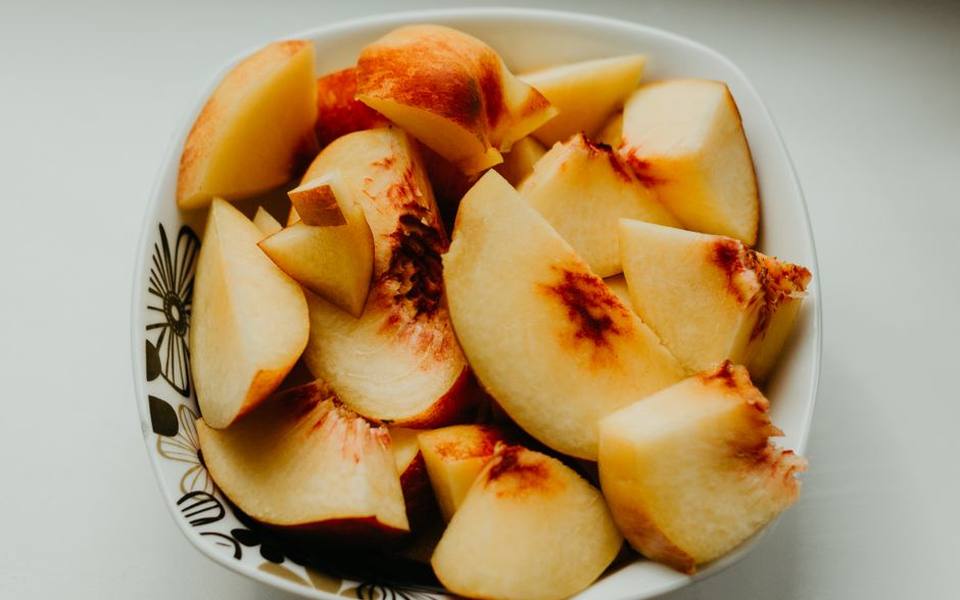
Juicy orchard peaches demand gentle preparation techniques to avoid bruising delicate flesh or shredding soft fruit skins. To peel a peach cleanly without losing sweet meat, use the blanching method favored by farmstead kitchens. Score a tiny 'X' through the base skin with a paring blade, plunge whole fruit into boiling water for thirty to forty seconds, then transfer directly into ice water. The skin will slip off effortlessly between your fingers.
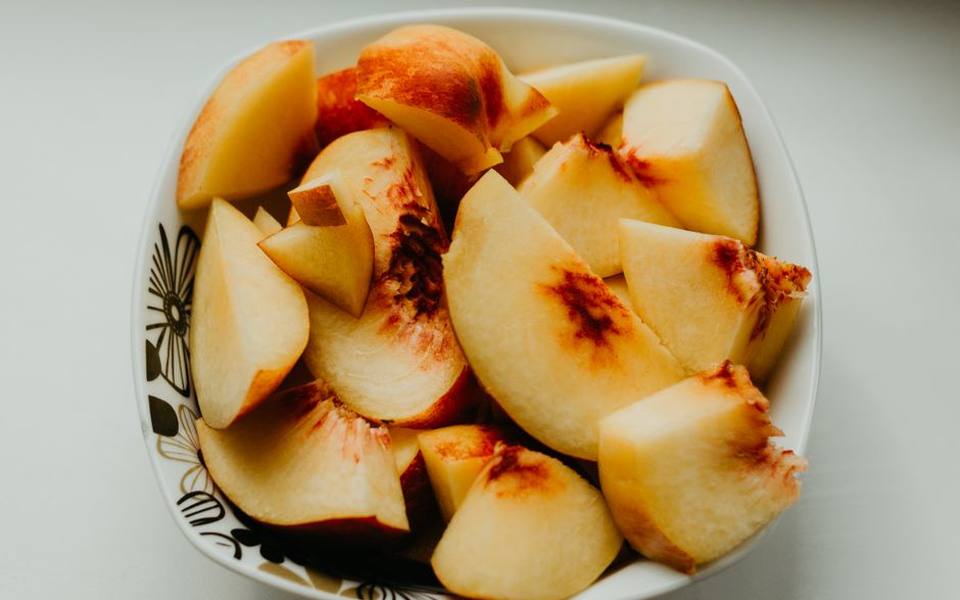
If you are dealing with firm fruit for grilling or baking, a sharp serrated peeler works faster than a smooth swivel peeler by gripping velvety peach fuzz without slipping. Avoid blunt paring knives, which crush the outer skin and squeeze out valuable juices before slicing even begins.
Cutting a peach cleanly depends on whether it has a freestone or clingstone pit. Run a sharp chef knife around the natural seam of the peach until the blade hits the central stone. Twist the two halves in opposite directions to separate the lobes, then pop out the pit with your thumb or a melon baller before slicing each half into neat crescents on a stable cutting board.
How to Tell When Cantaloupe Is Perfectly Ripe in the Patch
Harvesting or buying a cantaloupe at peak ripeness requires checking three distinct physical signals: the stem attachment, rind netting, and blossom-end fragrance. Unlike some fruits that build sweetness on the counter, melons accumulate their total sugar content while attached to the parent vine and will only soften after picking.
Check the stem end first for what growers call a 'full slip.' A mature cantaloupe naturally detaches cleanly from the vine with gentle thumb pressure, leaving a smooth, slightly indented circular scar. If jagged pieces of stem cling stubbornly to the fruit, field crews picked the melon prematurely.
Next, evaluate the underlying rind color beneath the raised tan netting; it should display a warm golden-beige or creamy honey hue rather than flat grassy green. Finally, sniff the blossom end opposite the stem. A ripe cantaloupe emits a sweet, rich floral musk at room temperature, while an odorless melon remains underripe.
Growing Dahlias from Tubers for Estate-Style Cutting Gardens
Lush country estates and cottage farmsteads frequently showcase dense borders of towering dahlias throughout late summer and early autumn. Growing these magnificent perennials begins by planting firm tuber clumps in late spring once all local danger of frost has passed and soil reaches roughly sixty degrees Fahrenheit.
Select a garden bed with fertile, well-draining soil that receives at least six to eight hours of direct sunlight daily. Dig planting holes roughly six inches deep, laying each tuber horizontally with the visible sprouting eye pointing upward toward the surface. Cover gently with two inches of soil, avoiding soaking the trench until green shoots emerge above ground to prevent fungal rot.
As main stems reach twelve inches tall, pinch back the center growth tip to stimulate bushier lateral branches and heavier blossom yields throughout summer. Many homesteaders who spend weekends gathering produce at u-pick farms in Pennsylvania plant tuber cutting borders right alongside vegetable patches to encourage pollinator activity and fill interior vases with brilliant dinnerplate blooms.
Farm Property Maintenance: Evaluating Tree Cutting Costs
Maintaining wooded boundaries, pasture fence lines, and mature orchards on rural properties occasionally requires removing dead, diseased, or hazardous timber. Tree removal costs vary substantially based on trunk diameter, total height, branch canopy spread, and proximity to buildings or utility lines.

Taking down a modest fruit tree or young sapling under twenty feet tall typically costs between one hundred fifty and three hundred dollars, especially if clear tractor access exists. In contrast, removing a towering seventy-foot hardwood near structures can run anywhere from eight hundred to well over two thousand dollars due to complex rigging equipment and certified arborist insurance.
Always confirm whether written tree contractor estimates include secondary cleanup expenses like branch chipping, log hauling, and stump grinding. Leaving a large stump in place or keeping split firewood on site reduces the final invoice, whereas complete removal down below turf level commands dedicated machinery fees.
Budgeting Rural Escapes Across America's Orchard Country
Experiencing authentic rural heritage does not require booking five-star luxury retreats; agricultural adventures exist across every state at every price point. Independent travelers can assemble custom farm itineraries by booking local bed-and-breakfasts near commercial groves, allowing them to participate in seasonal harvests while supporting family growers directly.
Summer visitors heading into Pacific Northwest valleys can spend tranquil mornings exploring lush u-pick blueberry farms and orchards before enjoying farm-to-table lunches in nearby historic market towns. These day trips connect guests to regional soil, seasonal cycles, and heirloom produce at a fraction of luxury estate tariffs.
Whether you splurge on premier resort sanctuaries with all-inclusive dining or spend an afternoon harvesting fruit in your home county, embracing country rhythms centers on seasonal awareness. Savoring ripe fruit, walking quiet woodland perimeters, and mastering fresh preparation skills bring the true essence of estate farmstead living into your own home.
Published 2026-09-20 · reviewed with each rebuild, last September 2026.
Find u-pick farms near you
The directory lists 3,339 u-pick farms by state and city — pick your state or use the “Near me” button in the header.
More guides
-
 Buying
When Is Strawberry Season? Peak Months and U-Pick Picking Guide
-
 Buying
Pumpkin Patch Visitor Guide: Opening Dates, Pricing, and Selection Tips
-
 Buying
How to Pick Ripe Produce: Melons, Roots, Citrus, and Greens
-
 Storage
How to Peel and Preserve Fresh Peaches: Blanching, Freezing, and Variety Tips
-
 Buying
Best Apples for Baking Pies and Cakes: Crispness and Flavor Guide
-
 Buying
What Is Raw Cow Milk? Benefits, Safety Rules, and Sourcing
-
 Buying
Apple Picking Guide: Bushel Measurements, Costs, Storing, and Washing
-
 Buying
A Guide to Shopping Local Farmers Markets, Farm Stands, and CSA Boxes
-
 Buying
Apple Orchard and Cider Mill Guide: U-Pick Apples, Cider, and Fall Treats
-
 Buying
Fall Agritourism Guide: Corn Mazes, Pumpkin Patches, and Autumn Festivals
-
 Buying
U-Pick Flower Fields: Guide to Tulips, Lavender, Sunflowers, and Dahlias
-
 Buying
Agritourism Experiences: Goat Yoga, Farm Stays, and Rustic Barn Venues
-
 Owning
Seasonal Guide to U-Pick Berries and Fruit Orchards: Cherries, Berries, and Peaches
-
 Buying
Fall Agritourism Guide: Pumpkin Patches, Corn Mazes, and Harvest Festivals
-
 Owning
On-Farm Floral Workshops and Flower Arrangement Classes Guide
-
 Owning
A Complete Guide to U-Pick Fruit Orchards: Berries, Stone Fruit, Citrus, and Vines
-
 Buying
Honey Farm Visits, Local Apiaries, and Raw Honey Buying Guide
-
 Owning
Comprehensive Guide to Fresh Apples, Cider Pressing, and Canning Recipes
-
 Owning
Livestock Feeds and Feeding Equipment Selection Guide
-
 Owning
Fruit Picking Guide: U-Pick Orchards and Harvest Tools
-
 Buying
Flower Farm Guide: U-Pick Fields, Fresh Bouquets, and Workshops