Understanding the Orchard Experience and Picking Basics
A visit to a working fruit grove gives you direct access to tree-ripened produce that commercial grocery supply chains cannot match in sugar density or freshness. In everyday language, the cherry picking definition often describes selecting only the best evidence to make an argument, but in agriculture, it describes the precise, manual collection of individual stone fruits directly from branches. When you visit an orchard open to the public, you assume the duty of the harvester, stepping into rows of mature trees to gather crops by hand.
Choosing an established pick-your-own farm or orchard allows you to source fruit at peak maturity rather than buying varieties bred strictly for cold storage and road freight. Most commercial growers harvest early so that firm produce withstands transit, which leaves sugar development incomplete. When you pick your own crop, the fruit has drawn nutrients from the limb until the final moment, yielding better flavor, firmer skins, and rich natural aromatics.
Before setting out, visitors need to understand that tree fruit farming depends heavily on local weather and biology. Trees do not produce fruit uniformly across a property, and certain blocks ripen days before adjacent rows. Learning basic orchard etiquette, respecting boundary flags, and knowing how to release fruit from the branch without snapping fruiting spurs will preserve the orchard canopy for upcoming harvests while ensuring your haul stays unblemished.
Planning Around the Regional Fruit Picking Season
Every fruit variety follows a strict biological calendar influenced by winter chilling hours and early spring temperatures. The general fruit picking season starts in late spring with fragile field berries and early cherries, transitioning into stone fruits like peaches, plums, and nectarines through midsummer. By late August and throughout October, pome fruits like crisp apples and winter pears dominate the orchard landscape across temperate states.
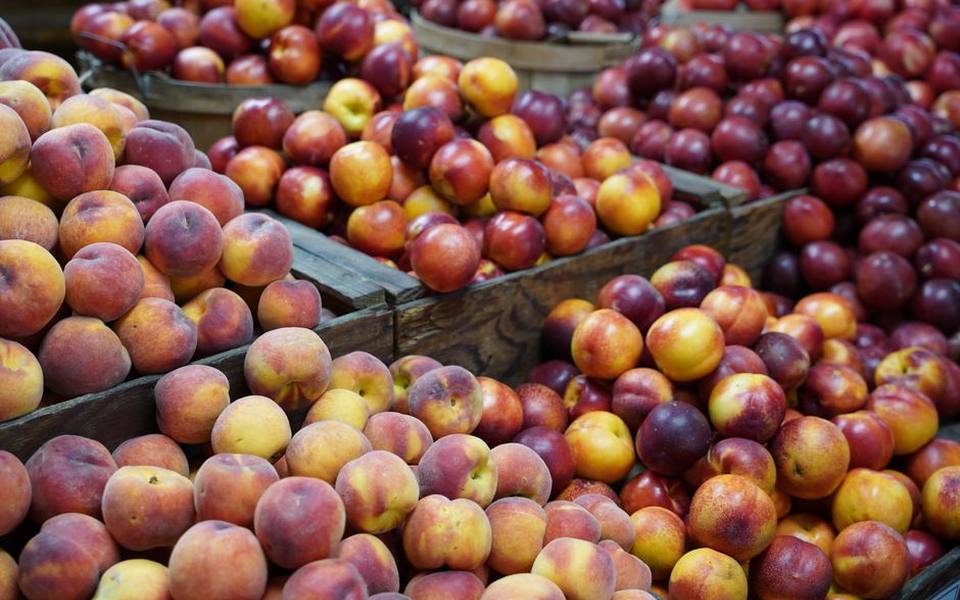
Because harvest windows can be brief, timing your arrival determines whether you find full branches or picked-over wood. Sweet cherry crops might peak and conclude within a narrow two-week window, whereas apple cultivars ripen in distinct succession over several months. Unseasonal heat waves can accelerate sugar development and drop fruit early, while prolonged rain might split thin-skinned stone fruit right before harvest.
Checking farm harvest reports before traveling prevents unnecessary trips to empty fields. Most operations update their field status weekly or daily depending on visitor traffic and fruit volume. Arriving early in the morning typically yields the best selection, as morning temperatures keep the fruit firm and cool, reducing bruising while you pick and pack your containers.
Techniques for Harvesting Cherries Without Damaging Trees
Visiting dedicated cherry picking farms requires a delicate touch because cherry trees carry next year's fruit buds directly next to the current crop. When harvesting sweet cherries like Bing or Rainier, you should grasp the stem near the woody spur and gently roll the fruit upward while giving a slight twist. Never yank downward on the fruit itself, which can rip the stem away from the flesh and create an open wound that accelerates mold growth.
Preserving the woody spur on the tree branch is just as critical as protecting the fruit stem. That small cluster of rough wood produces blossoms and fruit for multiple consecutive years; snapping it off strips that branch of its future yield. If a cherry resists your gentle roll, it is likely not fully ripe, as sugars loosen the bond between the stem base and the fruiting cluster.
A reliable cherry picking farm will usually direct guests toward rows by variety, pairing darker cherries that turn deep mahogany with sweet yellow varieties that carry a red blush. Ripe cherries do not continue to develop sugar once separated from the branch, so picking them with full color and natural sheen ensures optimal flavor when you return home.
Midwestern Cherry Traditions in Door County
One of the most famous stone fruit destinations in the United States is the Door Peninsula of Wisconsin, celebrated for its expansive tart cherry acreage. Participating in cherry picking Door County events is an annual tradition for thousands of travelers who seek out Montmorency sour cherries. These bright scarlet fruits are softer and juicier than grocery-store sweet cherries, making them the premier choice for traditional pies, preserves, and tart juices.
The microclimate created by Lake Michigan shields the peninsula from late spring frosts, allowing sour cherry blossoms to set fruit reliably. Tart cherries ripen slightly later than sweet varieties, typically entering their harvest peak from mid-July through early August. Travelers exploring u-pick farms across Wisconsin often bring wide, shallow containers to prevent the delicate skins of sour cherries from rupturing under their own weight.
Unlike commercial shakers that mechanically vibrate whole trees, manual picking in these historic groves gives visitors a chance to select blemish-free fruit clusters. Many local growers offer mechanical pitting services on site, saving home bakers hours of manual prep work before freezing or canning their seasonal bounty.
Harvesting Fruit in Northern California Agricultural Belts
On the West Coast, regional microclimates create prolonged growing seasons with distinct harvest dates. A primary example is fruit picking Brentwood, an agricultural pocket east of the San Francisco Bay area known for its fertile soils and warm delta breezes. This region serves as a major destination for early-season sweet cherries, luscious apricots, apriums, and midsummer white peaches that benefit from high solar exposure.
Because Mediterranean climates produce intense midday sun, early morning picking is essential in these valleys. Harvesting before direct heat softens the fruit keeps stone fruit pulp firm and reduces puncture damage during transit. Those touring harvest spots across California will find that delta orchards often open at dawn during harvest weekends to accommodate visitors before temperatures climb.
Farms in these intensive growing regions often utilize dwarf or semi-dwarf rootstocks. These shorter trees keep the fruit within arm's reach from ground level, significantly reducing the need for tall ladders and making the picking experience safer and more accessible for families with young children.
Visiting Coastal Orchards on Long Island
On the Atlantic coast, maritime conditions shape another popular growing corridor centered along eastern New York. Choosing fruit picking Long Island destinations introduces visitors to historic family properties on the North Fork, where coastal breezes buffer against severe temperature drops and extend the autumn ripening window. These farms specialize in stone fruits in July and August before shifting into expansive apple harvest operations through October.
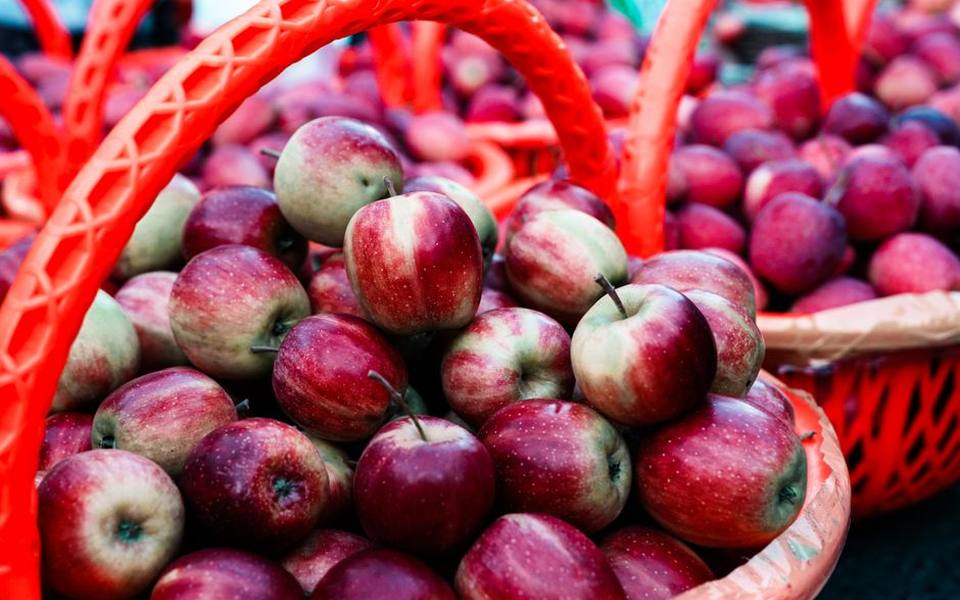
Orchards in coastal settings frequently manage humid marine air by training tree canopies with wide, open spacing, which allows sunlight and wind to dry the leaves quickly. When walking through picking orchards throughout New York, you will notice clean turf between rows that allows easy navigation with wagons, strollers, and collection carts during peak autumn weekends.
Long Island growers often emphasize diverse heritage varieties alongside modern favorites like Honeycrisp and Gala. The proximity to urban areas means these destinations can see substantial crowds, making weekday mornings or early harvest dates the best time to find unpicked tree limbs and calm orchard rows.
Choosing and Using Fruit Picking Sticks and Poles
While low branches are easy to pick by hand, the highest canopy branches often receive the most sun and produce the largest, sweetest fruit. Reaching these heights without climbing or shaking limbs requires a dedicated fruit picking stick. These manual tools typically feature a lightweight telescoping aluminum or fiberglass pole topped with a padded wire basket and curved metal fingers designed to snag fruit stems safely.
Using a pole picker requires patience and correct angle alignment. You position the tool beneath the fruit so the wire fingers cradle the stem above the apple or stone fruit, then pull gently downward or twist sideways. The fruit detaches cleanly and drops directly into the wire basket, which should be lined with a foam cushion or canvas liner to prevent bruising against the metal frame.
Avoid trying to pick multiple heavy fruits in a single reach. Overloading the basket makes the pole top-heavy and difficult to balance, which risks snapping delicate secondary branches or dropping fruit onto the ground. Lowering the pole after harvesting one or two fruits preserves both the produce quality and the structural integrity of your equipment.
Baskets, Bags, and Proper Harvesting Containers
The container you carry through the rows has a major influence on the final condition of your harvest. A proper fruit picking basket should have a rigid frame that shields fragile produce from accidental impact as you walk between tight tree rows. Traditional woven wooden baskets, wire-rimmed pails, or modern hands-free picking buckets with padded shoulder straps are standard choices for orchard work.
Hands-free harvesting bags suspended from a cross-back harness are particularly efficient for larger harvests. These bags feature a drop-bottom canvas design held in place with hooks or cords, allowing you to empty full loads into field crates from the bottom without rolling and bruising the fruit. Distributing the harvest weight across your shoulders also frees both hands to steady branches and manipulate stems safely.
Avoid using deep, flexible plastic bags or flimsy disposable grocery sacks. Flexible bags bunch up when set on uneven soil, squeezing soft stone fruits against one another and causing internal bruising that shows up as brown mush within twenty-four hours. Shallow, rigid containers allow you to layer fruit no more than two or three deep, preserving skin integrity.
Mastering the Apple Tree Picker and Upper Canopy Harvest
Pome fruits like apples and pears attach to the tree via thick, fibrous stems that require a slightly different approach than stone fruit. A specialized apple tree picker must have sturdy tines that can wedge between the apple and the fruiting cluster without stripping leaves. Hand-harvesting an apple involves rolling the fruit upward toward the sky and giving a short, crisp twist, which releases the stem naturally at its abscission zone.
When exploring full-scale u-pick apple orchards, visitors often make the mistake of pulling downward forcefully. Pulling straight down tends to dislodge neighboring apples, sending them crashing to the orchard floor, or it snaps off next year's fruit spur. If you feel excessive resistance when twisting an apple upward, the starch levels inside the flesh are likely still high, indicating the fruit needs more time on the branch.
Treating apples with care during harvest is crucial for long-term storage. Even minor fingernail gouges or stem punctures from adjacent fruit create entry points for rot. Laying each fruit gently into your field crate rather than tossing it ensures that crisp winter varieties like Fuji, Rome, or Northern Spy remain sound in cold storage for months.
Orchard Etiquette, Weighing In, and Post-Harvest Storage
Every successful farm visit concludes with responsible field departure and proper fruit handling. Farms typically weigh containers at an exit station and charge per pound, though some offer fixed-volume pricing based on peck or bushel baskets. Make sure you establish whether personal containers must be tared at check-in before entering the rows, ensuring you pay only for the weight of the fruit gathered.
Never leave discarded, half-eaten fruit on the ground, and do not strip trees bare in search of one perfect specimen. Dropped fruit attracts wasps, yellowjackets, and wildlife, creating safety hazards for farm staff and subsequent visitors. Staying on designated pathways protects delicate root zones from excessive soil compaction, which hinders water penetration around mature tree bases.
Once your harvest is loaded in the car, keep containers out of direct sunlight and avoid sealing them in a hot trunk during summer trips. Transfer stone fruits directly to a cool, well-ventilated space or refrigerate them immediately to halt decay. Apples tolerate slightly warmer storage conditions but will maintain their signature crispness longest when held just above freezing in a humid basement or dedicated crisper drawer.
Published 2026-09-25 · reviewed with each rebuild, last September 2026.
Find u-pick farms near you
The directory lists 3,339 u-pick farms by state and city — pick your state or use the “Near me” button in the header.
More guides
-
 Buying
When Is Strawberry Season? Peak Months and U-Pick Picking Guide
-
 Buying
Pumpkin Patch Visitor Guide: Opening Dates, Pricing, and Selection Tips
-
 Buying
How to Pick Ripe Produce: Melons, Roots, Citrus, and Greens
-
 Storage
How to Peel and Preserve Fresh Peaches: Blanching, Freezing, and Variety Tips
-
 Buying
Best Apples for Baking Pies and Cakes: Crispness and Flavor Guide
-
 Buying
What Is Raw Cow Milk? Benefits, Safety Rules, and Sourcing
-
 Buying
Apple Picking Guide: Bushel Measurements, Costs, Storing, and Washing
-
 Money
MoneyBlackberry Farm Pricing Guide: Costs, Accommodations, and Seasonal Farmstead Skills
-
 Buying
A Guide to Shopping Local Farmers Markets, Farm Stands, and CSA Boxes
-
 Buying
Apple Orchard and Cider Mill Guide: U-Pick Apples, Cider, and Fall Treats
-
 Buying
Fall Agritourism Guide: Corn Mazes, Pumpkin Patches, and Autumn Festivals
-
 Buying
U-Pick Flower Fields: Guide to Tulips, Lavender, Sunflowers, and Dahlias
-
 Buying
Agritourism Experiences: Goat Yoga, Farm Stays, and Rustic Barn Venues
-
 Owning
Seasonal Guide to U-Pick Berries and Fruit Orchards: Cherries, Berries, and Peaches
-
 Buying
Fall Agritourism Guide: Pumpkin Patches, Corn Mazes, and Harvest Festivals
-
 Owning
On-Farm Floral Workshops and Flower Arrangement Classes Guide
-
 Owning
A Complete Guide to U-Pick Fruit Orchards: Berries, Stone Fruit, Citrus, and Vines
-
 Buying
Honey Farm Visits, Local Apiaries, and Raw Honey Buying Guide
-
 Owning
Comprehensive Guide to Fresh Apples, Cider Pressing, and Canning Recipes
-
 Owning
Livestock Feeds and Feeding Equipment Selection Guide
-
 Buying
Flower Farm Guide: U-Pick Fields, Fresh Bouquets, and Workshops