The Seasonal Calendar of Fresh Cut Flower Farms
Specialty flower farming follows a strict seasonal cycle that dictates when fields open to the public for harvesting. Unlike orchard fruit that ripens over several weeks, delicate floral stems often reach their prime within narrow windows of seven to fourteen days. Planning an outing requires tracking bloom schedules that shift each year based on soil temperature and late spring rainfall.
The picking year starts in early spring with cool-weather bulbs like tulips, daffodils, and ranunculus, which thrive in moist, temperate conditions before the summer heat arrives. By late spring and early summer, perennials like English and French lavender take over, filling rolling fields with aromatic purple spikes. High summer welcomes massive stands of multi-branching sunflowers and heat-loving annuals such as cosmos and zinnias.
As late summer transitions into early fall, dahlia gardens and late-planted sunflowers take center stage until the first killing frost shuts down production. Exploring local agricultural listings through pick-your-own farms and orchards helps pinpoint exactly when nearby growers shift from early-season crops to full-field cutting. Knowing which blooms thrive in your local climate ensures you arrive during the peak flush of fresh blossoms.
Visiting Spring Tulip Festivals and Preserving Bulbs
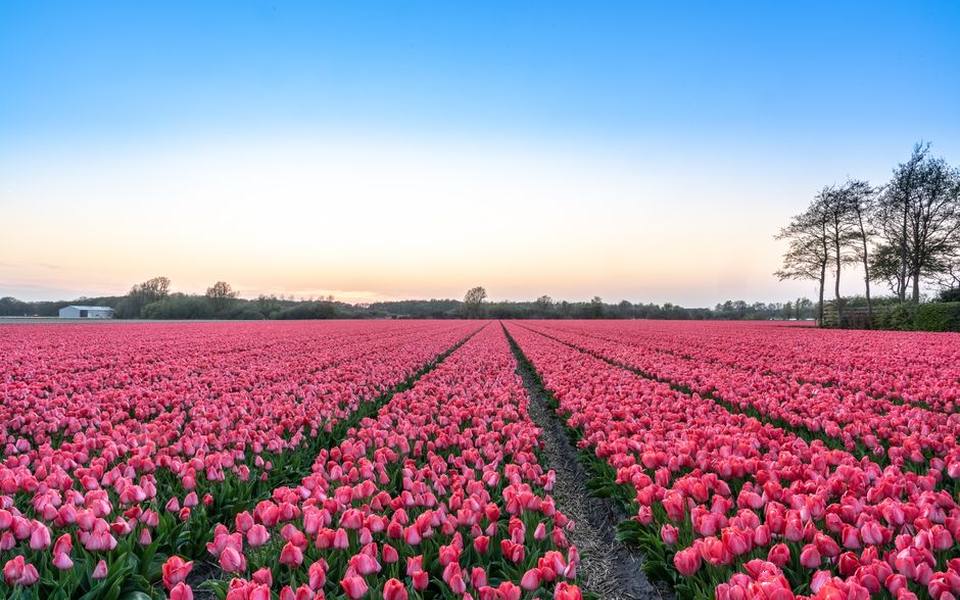
Spring tulip festivals offer some of the most vibrant landscapes in American agriculture, drawing visitors across wide swaths of the country. Iconic Pacific Northwest destinations like the Wooden Shoe Tulip Farm in the Willamette Valley demonstrate how bulb growers transform commercial fields into seasonal community events. Visiting growers featured across u-pick farms in Oregon during April lets guests walk along designated dirt alleys between dense ribbons of red, yellow, and fringed varieties.
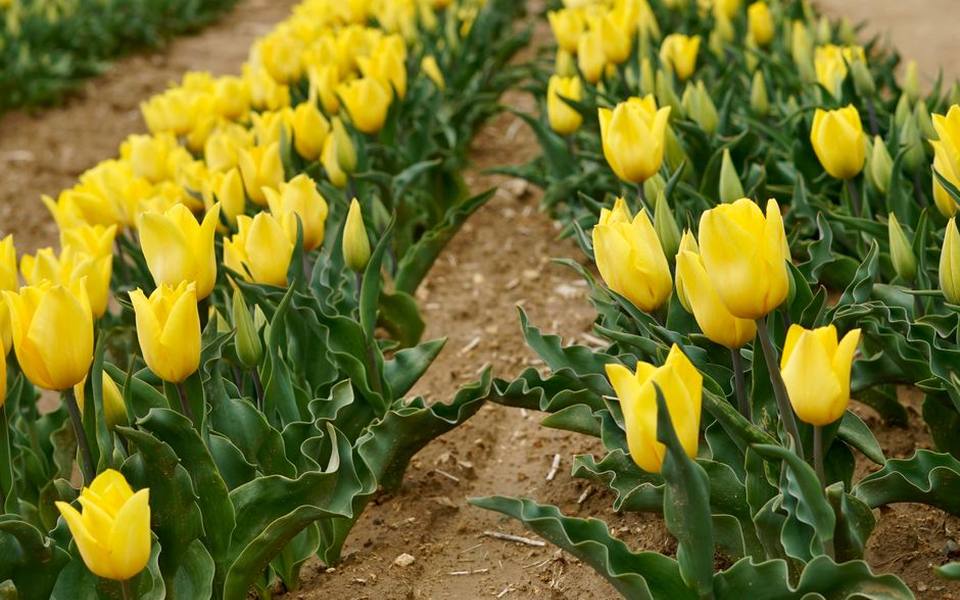
Different tulip operations maintain distinct policies regarding how visitors harvest their blooms. Some farms permit customers to cut stems cleanly above the soil line using floral snips, which leaves the subterranean bulb intact for future multiplication. Other farms encourage guests to gently pull the entire plant, bulb included, which can be wrapped in damp paper for replanting in home garden beds late in autumn.
Spring fields can become notoriously muddy following seasonal rains, making waterproof boots essential footwear for visitors. Walking directly over raised planting beds compresses the fragile root systems and suffocates emerging shoots. Following marked rows keeps the walkways accessible while protecting the high-density bulbs from compaction and accidental breakage during peak attendance weekends.
Exploring Lavender Fields Across Distinct Climates
Lavender requires well-drained, sandy loam and abundant sunlight, making certain geographic microclimates particularly hospitable to commercial acreage. While many travelers associate vast lavender fields with the Pacific Northwest valleys or Northern California hillsides, unique mountain slopes also foster thriving perennial bushes. For example, high-elevation destinations such as the Ali'i Kula Lavender Farm on the volcanic slopes of Maui showcase how cooler upland mist combined with sunny days supports dozens of fragrant varieties.
When planning an afternoon at a lavender farm, visitors should understand the practical differences between English varieties and French or Spanish hybrids. English lavender, often called angustifolia, produces smaller, highly aromatic flower spikes that dry exceptionally well for culinary recipes, teas, and delicate baking. French hybrids feature longer, pale purple stems loaded with higher concentrations of camphor, making them ideal for crafting linen wands, sachets, and distilled essential oils.
Many lavender growers in coastal regions and warm western microclimates welcome visitors throughout June and July when flower spikes display deep coloration. Checking regional options among u-pick farms in Washington reveals how microclimates determine harvest calendars. Checking farm announcements before driving out ensures the bushes have not already been mechanically harvested for oil distillation.
Techniques for Cutting and Drying Stems of Lavender
Harvesting lavender correctly protects the woody base of the shrub while maximizing the longevity of your cut bundle. The ideal stage to cut lavender occurs when the lowest buds on the spike have just opened, but the upper buds remain tightly closed. Cutting stems at this specific moment locks in the volatile floral oils, ensuring the fragrance remains strong for months after the harvest dries.
Use bypass pruning shears or dedicated harvesting snips rather than kitchen scissors, which tend to crush delicate plant vascular tissue. Reach down the stem to where the tender green growth meets the semi-hard, woody interior of the bush, cutting just above the leaf node. Never slice deeply into the thick, dark, woody crown, as removing mature wood stunts the plant and limits bloom production in subsequent seasons.
Once you gather a handful of stems, wrap a simple rubber band snugly around the bottom inch of the bunch. As lavender dries in a dark, well-ventilated room, the stems naturally lose moisture and shrink in diameter. A flexible rubber band contracts along with the shrinking stems, preventing individual dried branches from slipping out and scattering across your storage area.
Navigating Sunflower Farms During the Midsummer Flush
Sunflower farms create an impressive visual experience, with mature plants frequently standing six to ten feet tall by late summer. Commercial growers generally plant two main categories: single-stem florists' cultivars and branching seed producers. Florists' varieties, such as pollen-free orange and gold cultivars, are bred specifically for cut-flower vases because they do not shed yellow dust over home furniture.
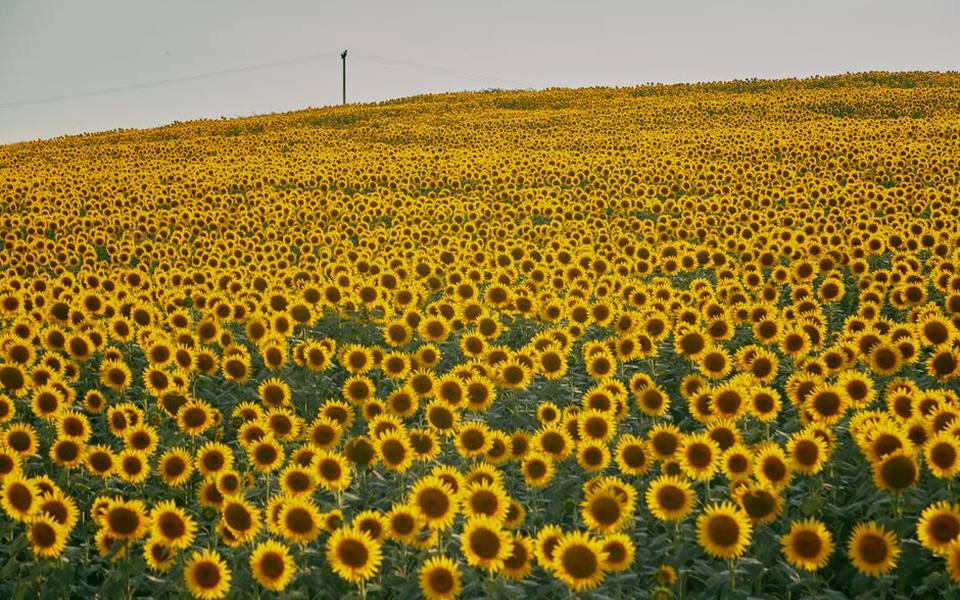
Cutting midsummer sunflowers requires sturdy bypass hand pruners, as the thick, fibrous stalks easily dull lightweight garden scissors. Select stems where the ray petals have just unfurled from the central disk at a ninety-degree angle. Sunflowers picked after the central disc flowers have shed their outer petals will drop foliage rapidly and demonstrate a much shorter vase life indoors.
Walking through dense sunflower rows under the July or August sun can quickly lead to dehydration and heat exhaustion. Sunflower foliage is naturally rough, coarse, and covered in tiny prickly hairs that can cause contact dermatitis on bare arms. Wearing a lightweight, long-sleeved cotton shirt and bringing an insulated container of cold water makes harvesting deep inside the field far more comfortable.
Harvesting Dahlias and Caring for Tender Stems
Dahlia gardens provide late-season color from August until the arrival of the first hard autumn frost. These complex, layered blooms range from tiny ball and pompon shapes measuring two inches across to massive dinnerplate varieties exceeding ten inches. Because dahlias do not continue opening significantly after they leave the plant, you must cut them when the flower is almost fully open.
Inspect the back of each prospective dahlia bloom before you make a cut along the branching plant stem. The petals on the reverse side should feel firm, upright, and smooth; if the rear petals are papery, limp, or turning brown, the flower is past its peak. Cut early in the morning when the stems are completely turgid with sap, making a clean angled slice above a lateral leaf node.
Immediately strip away all lower leaves that would otherwise sit submerged below the water level of your harvest container. Submerged foliage decays within hours, fostering bacterial colonies that clog the xylem tubes and cause flower heads to droop prematurely. Transporting cut dahlias directly in clean, cool water ensures their fragile petal structures stay crisp during the trip home.
Field Preparation and Essential Cutting Gear to Pack
A successful morning in a floral field depends on packing the right supplies before leaving home. While some farms provide loaner shears and cardboard carriers, dedicated visitors bring their own clean, sterilized bypass pruners. Dipping your cutting blades in rubbing alcohol between uses prevents transferring microscopic plant pathogens and fungal spores from home gardens into commercial farm beds.
A five-gallon plastic bucket filled with three to four inches of clean, lukewarm water is the most critical harvesting tool you can carry. Placing freshly clipped stems into water within seconds of making a cut prevents air bubbles from entering the vascular system. Air pockets block water uptake, causing blooms like zinnias and dahlias to wilt before you reach your kitchen counter.
Dress deliberately for outdoor farm conditions by choosing closed-toe boots, wide-brimmed hats, and breathable garden gloves. Morning dew on tall rows can soak through lightweight canvas sneakers in minutes, leaving your feet damp all morning. Sunscreen and insect repellent are equally important, particularly when exploring dense wildflower acreage where bees and other beneficial pollinators are actively working.
Etiquette for Walking Rows and Taking Photographs
U-pick flower farms are working agricultural ecosystems that require respectful visitor behavior to remain productive throughout the growing season. Always stay strictly within marked walkways, turf paths, or woodchip trails laid out between the rows. Stepping over rows risks snapping brittle stems, damaging drip irrigation tubing, or tearing delicate ground fabric installed to suppress invasive weeds.
While taking candid snapshots on personal mobile phones is welcomed by nearly every operator, commercial photography involves different rules. Professional portrait sessions, elaborate costume changes, and intrusive tripods often require dedicated reservation permits and small site fees. Checking the farm's published media guidelines beforehand prevents conflicts with farm staff and keeps main pathways clear for harvesters carrying heavy buckets.
Bees, hoverflies, and butterflies are vital to the productivity of any flower field and should be treated with quiet respect. Pollinators focus entirely on foraging nectar and rarely sting unless swatted at or stepped on accidentally. Teach younger children to admire foraging insects calmly without swatting, and give busy bees plenty of space when selecting which stem to clip.
Combining Flower Picking with Fall Agritourism Outings
As late August rolls into September, many specialty flower farms merge their late-blooming fields with broader autumn entertainment. Visiting properties that feature farm destinations with on-site corn mazes allows families to experience diverse harvest traditions in a single afternoon. You can harvest a vibrant bouquet of dahlias, cosmos, and sunflowers before heading into sprawling corn paths and early pumpkin patches.
Midwestern and Northeastern agricultural hubs frequently schedule seasonal harvest festivals around these overlapping crop cycles. Exploring diverse operators across u-pick farms in Pennsylvania highlights how traditional orchards integrate cut-flower plots alongside classic fall apple harvesting. These multi-crop destinations create full-day family outings that celebrate changing regional foliage alongside late-blooming floral species.
Fall floral stems, particularly late-planted branching sunflowers and deep purple amaranth, complement seasonal home decor exceptionally well. These hardy late-season blooms withstand cooler morning temperatures and pair naturally with dried grains, ornamental grasses, and miniature gourds. Packing separate containers for fragile blooms ensures your autumn flowers remain pristine alongside heavier produce during transport.
Post-Harvest Care to Extend Your Floral Vase Life
The way you handle cut flowers immediately after returning from the field determines whether your arrangement lasts three days or two weeks. Keep your harvest bucket in a shaded, climate-controlled area of your car during the drive home, avoiding hot trunks. As soon as you enter your home, fill a clean glass or ceramic vase with fresh, lukewarm tap water.
Trim roughly one-half inch off each stem at a sharp forty-five-degree angle using sharp floral snips, ideally submerging the cut end in water. Cutting on an angle prevents the stem from resting flush against the flat bottom of the vase, ensuring maximum surface area for water absorption. Mix in a packet of commercial floral preservative, which provides carbohydrates to opening blooms while suppressing microbial growth.
Display your finished floral arrangements away from direct afternoon sunlight, drafty cooling vents, and ripening fruit bowls. Ripening apples and bananas emit ethylene gas, an invisible hormone that accelerates petal drop and causes premature aging in fresh-cut flowers. Check comprehensive listings across the national U-Pick Farm Atlas to locate your nearest flower grower and enjoy fresh seasonal stems all year.
Published 2026-09-21 · reviewed with each rebuild, last September 2026.
Find u-pick farms near you
The directory lists 3,339 u-pick farms by state and city — pick your state or use the “Near me” button in the header.
More guides
-
 Buying
When Is Strawberry Season? Peak Months and U-Pick Picking Guide
-
 Buying
Pumpkin Patch Visitor Guide: Opening Dates, Pricing, and Selection Tips
-
 Buying
How to Pick Ripe Produce: Melons, Roots, Citrus, and Greens
-
 Storage
How to Peel and Preserve Fresh Peaches: Blanching, Freezing, and Variety Tips
-
 Buying
Best Apples for Baking Pies and Cakes: Crispness and Flavor Guide
-
 Buying
What Is Raw Cow Milk? Benefits, Safety Rules, and Sourcing
-
 Buying
Apple Picking Guide: Bushel Measurements, Costs, Storing, and Washing
-
 Money
MoneyBlackberry Farm Pricing Guide: Costs, Accommodations, and Seasonal Farmstead Skills
-
 Buying
A Guide to Shopping Local Farmers Markets, Farm Stands, and CSA Boxes
-
 Buying
Apple Orchard and Cider Mill Guide: U-Pick Apples, Cider, and Fall Treats
-
 Buying
Fall Agritourism Guide: Corn Mazes, Pumpkin Patches, and Autumn Festivals
-
 Buying
Agritourism Experiences: Goat Yoga, Farm Stays, and Rustic Barn Venues
-
 Owning
Seasonal Guide to U-Pick Berries and Fruit Orchards: Cherries, Berries, and Peaches
-
 Buying
Fall Agritourism Guide: Pumpkin Patches, Corn Mazes, and Harvest Festivals
-
 Owning
On-Farm Floral Workshops and Flower Arrangement Classes Guide
-
 Owning
A Complete Guide to U-Pick Fruit Orchards: Berries, Stone Fruit, Citrus, and Vines
-
 Buying
Honey Farm Visits, Local Apiaries, and Raw Honey Buying Guide
-
 Owning
Comprehensive Guide to Fresh Apples, Cider Pressing, and Canning Recipes
-
 Owning
Livestock Feeds and Feeding Equipment Selection Guide
-
 Owning
Fruit Picking Guide: U-Pick Orchards and Harvest Tools
-
 Buying
Flower Farm Guide: U-Pick Fields, Fresh Bouquets, and Workshops