Timing Your Harvest Across the Seasons
Planning a day in the field begins with understanding regional harvest windows, which shift significantly depending on your local climate zone. Most growers open their gates as early as late spring for early berries and continue through late fall when hardier tree crops and grapes reach peak sugar levels. Checking operational status before driving out is essential, as unseasonal frost or unexpected heatwaves can easily move picking dates forward or backward by a week or two.
While springtime draws crowds for sweet cherries and strawberries, the transition into high summer brings tree fruit into full abundance. Midsummer through early autumn represents the busiest window across family operations nationwide. Navigating regional directories like Pick Your Own Farms and Orchards helps you pinpoint which crops are active in your area during any given month.
Arriving early in the day gives you distinct advantages regardless of the fruit variety you intend to gather. Cool morning temperatures prevent delicate skins from softening too rapidly under the sun, and the fruit holds its firm texture much better during transport. Visiting early also allows you to browse less-trodden rows before midday heat increases field pressure.
Selecting the Best Berries for Preserving and Jam
Gathering field-fresh fruit specifically for home canning requires a slightly different approach than harvesting for immediate table snacking. When sourcing berries for jam, selecting a mix of fully ripe fruit alongside a modest handful of slightly underripe berries provides natural pectin and pleasant tartness. Fully ripe berries supply deep sweetness and aroma, while firmer specimens ensure your cooked preserves set firmly without requiring excessive amounts of commercial powdered pectin.
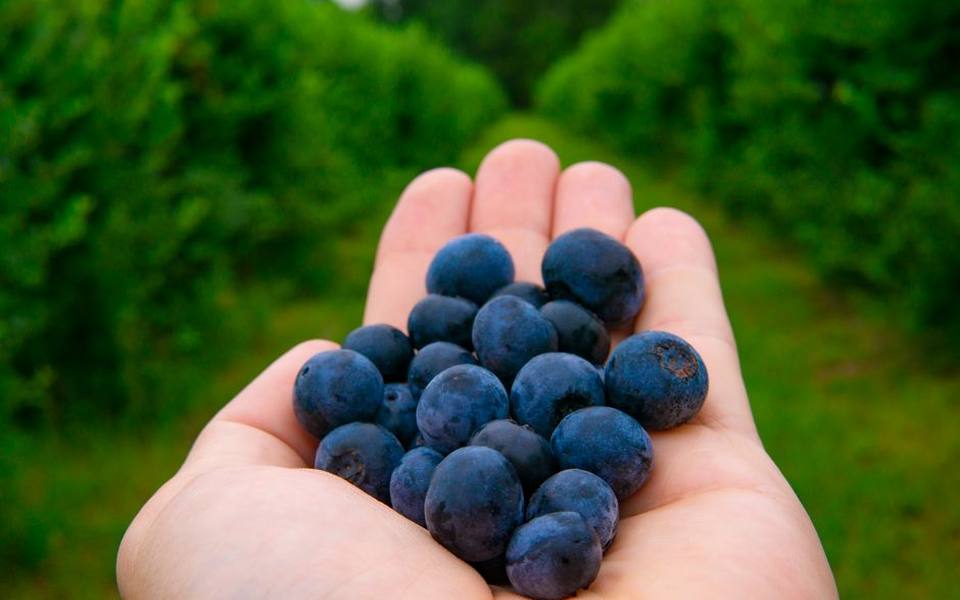
Blackberries, raspberries, and wild-type brambles tend to soften quickly once separated from their calyx, so gentle handling in the field is paramount. Using wide, shallow containers prevents the weight of top layers from crushing the fruit resting at the bottom. Exploring dedicated U-Pick Blueberry Farms and Orchards gives you access to highbush cultivars bred specifically for exceptional balance between acidity and natural sugar.
Once home, refrain from washing your harvest until right before you start heating your jam pans. Surface moisture encourages rapid mold development, especially on delicate soft-skinned varieties. If you cannot process your berries immediately, store them unwashed in a single layer inside a standard refrigerator, where they typically hold quality for up to two days.
Navigating Stone Fruit Seasons and Summer Cherries
Tree fruit begins in late spring with sweet and tart cherries, which quickly establish the summer orchard rhythm. In renowned regions such as Northern California's fertile valleys, visitors routinely look for a prime u pick cherry farm brentwood ca growers open to the public during late May. Cherry stems should remain firmly attached to the fruit as you pull, which prevents skin tears and significantly slows moisture loss during post-harvest storage.
As spring blends into midsummer, stone fruit season reaches its height across orchard belts nationwide. Understanding the typical peach picking season helps you plan trips around specific culinary goals, whether that means early clingstone varieties intended for baking or later freestone types suited for slicing and freezing. Ripe stone fruit exhibits a warm golden or cream background color behind its red blush, accompanied by subtle give along the seam.
Major growing districts often turn peak harvests into celebrated community gatherings. Thousands of visitors track down palisade peach festival tickets annually to celebrate Colorado's famous high-altitude crop, proving that stone fruit culture remains a centerpiece of agritourism. For those exploring western states, planning visits through U-Pick Farms in California provides direct access to diverse stone fruit selections running from June through August.
Exploring Cool-Climate Vineyards and Grape Harvesting
Grape picking represents one of the most rewarding late-summer into early-autumn farm outings. Unlike many tree fruits that continue softening after harvest, grapes cease ripening the moment they are severed from the vine. To pick grape clusters at their prime, observe the stem attaching the bunch to the woody cane; when ripe, that small green stem turns brown and slightly woody, signaling optimal sweetness.
Native and hybrid cultivars hold a special place in historic growing regions, particularly across the eastern states and the Great Lakes. Visiting a classic concord grape vineyard offers visitors an unmistakable sensory experience, marked by the deep blue-purple slip-skin fruit famous for juices, jellies, and traditional pies. These robust clusters mature reliably across mid-Atlantic hills and northern river valleys as nights cool down in September.
Harvesting grapes requires clean shears rather than pulling by hand, as tugging snaps delicate fruit skins and compromises surrounding vine wood. Browsing regional listings across U-Pick Farms in New York opens doors to long-established concord grape vineyards where you can clip whole lugs directly from mature trellises under crisp autumn skies.
Walking Sunlit Citrus Groves and Winter Picking
While northern orchards rest during cold winter months, southern and western operations welcome visitors into vibrant subtropical foliage. Walking through an active citrus grove in midwinter offers bright color and floral fragrance that stands completely apart from temperate fruit operations. Citrus trees bear fruit over an extended period, holding ripe crops directly on branches for weeks without immediate quality loss.
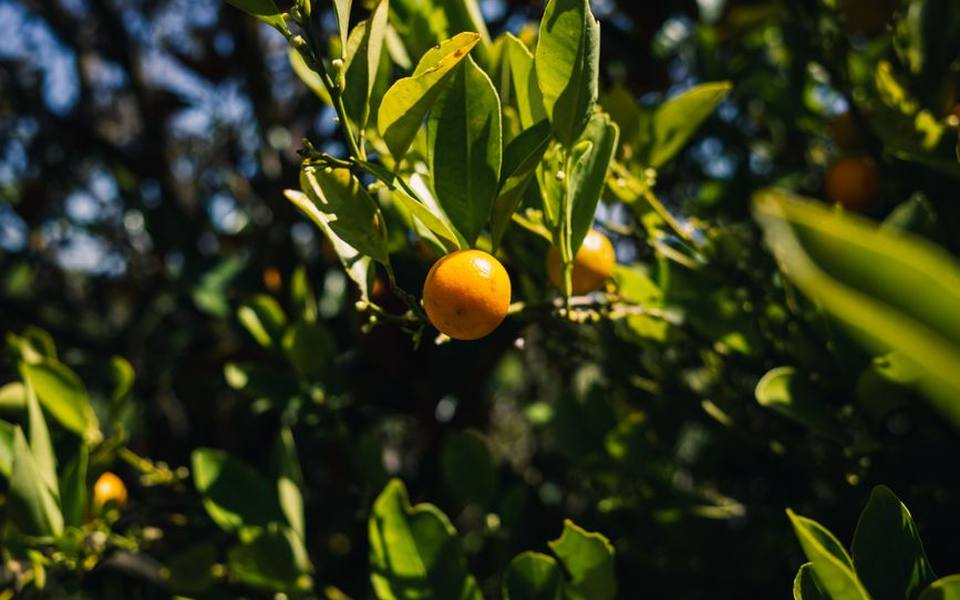
Picking citrus requires gentle technique to protect both the current harvest and future buds. Orchardists generally recommend clipping stems flush with the fruit button or using a light upward twisting motion so the peel does not tear open at the top. Visiting sunny destinations like U-Pick Farms in Florida allows travelers to experience satsumas, navel oranges, and grapefruit right off mature grove trees from November through early spring.
Beyond commercial groves, interest in domestic backyard cultivation has led many travelers to seek young specimens directly from farm nurseries during their visits. Dwarf lemon trees eureka varieties in particular are frequently sought out by visiting gardeners, who value this variety for continuous seasonal blooming and prolific yields of classic, tart culinary fruit.
Autumn Nuts and Specialized Late-Season Crops
As foliage turns across southern and midwestern fields, harvesting shifts toward rich tree nuts and unusual orchard specialties. Nut gatherings offer a grounded, leisurely experience where visitors typically collect naturally fallen crops from manicured orchard turf rather than picking from high branches. Pecan operations, common throughout the Southern United States, welcome families across late October and November when outer husks split open.
For those captivated by the beauty of commercial groves, discovering mature nut plantings often sparks interest in personal landscape integration. Many regional farm stands and partnered nurseries maintain grafted pecan trees for sale during dormant winter months, catering to property owners seeking long-term shade and homegrown harvests. Proper site selection is vital, as mature taproots require deep, well-drained soil profiles.
Late-season outings also combine functional harvest work with family entertainment. Many farms feature combined grounds offering agricultural walks alongside autumn amusements, which you can easily locate by exploring Farm Destinations with On-Site Corn Mazes. Gathering durable nuts alongside sweet cider tastings marks the traditional conclusion of the temperate agricultural year.
Unique Fall Treasures: Persimmons and Unusual Tree Fruit
Persimmons stand among the most visually striking sights of late autumn, hanging like bright orange lanterns on bare branches after leaves drop. Understanding the distinction between astringent and non-astringent cultivars prevents unpleasant culinary surprises. Fuyu types can be sliced and eaten while still crisp like an apple, whereas Hachiya types must become completely soft, jelly-like, and translucent before their astringency fades.
Gathering these specialty fruits requires careful observation of surface skin color and stem firmness. Cut the fruit from the twig with hand pruners, leaving the woody calyx attached to the shoulder of the persimmon to protect flesh integrity. Bruising can happen quickly once fruits begin to soften, so flat, padded crates provide better transport than deep harvest sacks.
Because these cold-hardy, pest-resilient trees thrive in varied soil types, interest in home planting continues to expand across suburban properties. Travelers visiting specialty orchards often inquire about persimmon trees for sale to plant during the upcoming spring. A single mature tree provides abundant late-fall fruit well after standard garden crops have succumbed to frost.
Packing Essentials and Field Etiquette for Orchards
A successful outing depends heavily on bringing suitable gear tailored to farm environments. While operations provide standard buckets or cardboard boxes, bringing your own shallow containers lined with paper towels protects delicate soft fruits on the ride home. Wear sturdy closed-toe walking shoes, broad-brimmed sun protection, and comfortable work gloves to navigate thorny bramble patches or sappy tree branches safely.
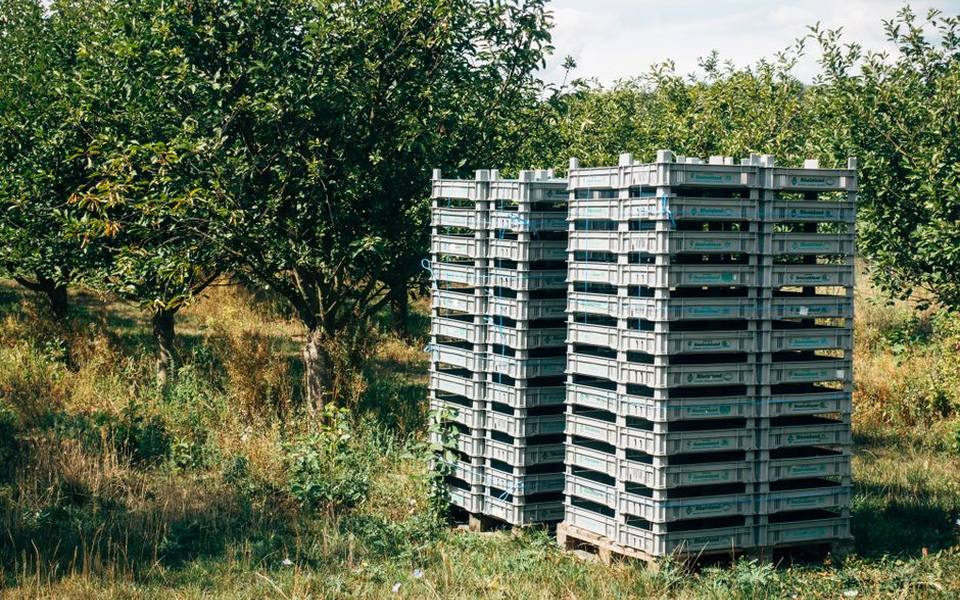
Field etiquette protects both the orchard's agricultural livelihood and the quality of your harvest. Stick strictly to rows marked as open for picking, as adjacent lanes may be held in reserve for upcoming days or recently treated with organic pest controls. Never climb tree trunks or shake limbs to dislodge out-of-reach produce, which risks breaking valuable fruiting wood that requires years to regrow.
Sampling policies differ widely from farm to farm, so always ask staff about sampling rules before heading past the farm gate. While tasting one berry to check flavor balance is commonly accepted, snacking through multiple trees without paying represents significant losses for small-scale growers. Treat the property with respect, pack out all personal trash, and supervise young children around active farm machinery.
Post-Harvest Handling to Maximize Freshness
Preserving field quality begins immediately after you leave the scale shed. Never leave harvested containers inside a hot car trunk while running other errands, as enclosed ambient temperatures will rapidly spoil tender berries and accelerate stone fruit decay. Keep fruit boxes in an air-conditioned passenger cabin and transfer them into cool, dark indoor storage as soon as you arrive home.
Different crops require distinct cold-chain strategies once inside your kitchen. Blueberries, cherries, and table grapes should head straight into cold refrigeration, ideally inside breathable produce drawers that balance humidity without trapping free condensation. In contrast, slightly firm peaches, nectarines, and persimmons should rest stem-end down at room temperature on counter surfaces until fully fragrant before entering cold storage.
If your harvest volume exceeds what your household can consume within several days, quick preservation retains field freshness indefinitely. Pitting cherries and slicing stone fruit onto parchment-lined baking sheets allows individual pieces to freeze solid without clumping, after which you can pack them into airtight freezer bags for winter baking. Taking time to process harvests promptly ensures none of your outdoor efforts go to waste.
Published 2026-09-21 · reviewed with each rebuild, last September 2026.
Find u-pick farms near you
The directory lists 3,339 u-pick farms by state and city — pick your state or use the “Near me” button in the header.
More guides
-
 Buying
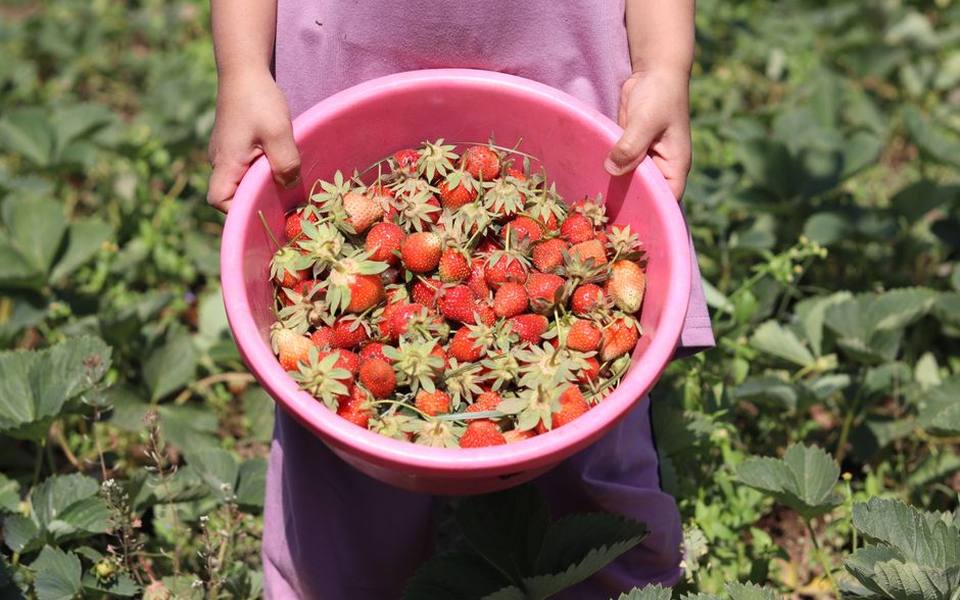
When Is Strawberry Season? Peak Months and U-Pick Picking Guide
-
 Buying
Pumpkin Patch Visitor Guide: Opening Dates, Pricing, and Selection Tips
-
 Buying
How to Pick Ripe Produce: Melons, Roots, Citrus, and Greens
-
 Storage
How to Peel and Preserve Fresh Peaches: Blanching, Freezing, and Variety Tips
-
 Buying
Best Apples for Baking Pies and Cakes: Crispness and Flavor Guide
-
 Buying
What Is Raw Cow Milk? Benefits, Safety Rules, and Sourcing
-
 Buying
Apple Picking Guide: Bushel Measurements, Costs, Storing, and Washing
-
 Money
MoneyBlackberry Farm Pricing Guide: Costs, Accommodations, and Seasonal Farmstead Skills
-
 Buying
A Guide to Shopping Local Farmers Markets, Farm Stands, and CSA Boxes
-
 Buying
Apple Orchard and Cider Mill Guide: U-Pick Apples, Cider, and Fall Treats
-
 Buying
Fall Agritourism Guide: Corn Mazes, Pumpkin Patches, and Autumn Festivals
-
 Buying
U-Pick Flower Fields: Guide to Tulips, Lavender, Sunflowers, and Dahlias
-
 Buying
Agritourism Experiences: Goat Yoga, Farm Stays, and Rustic Barn Venues
-
 Owning
Seasonal Guide to U-Pick Berries and Fruit Orchards: Cherries, Berries, and Peaches
-
 Buying
Fall Agritourism Guide: Pumpkin Patches, Corn Mazes, and Harvest Festivals
-
 Owning
On-Farm Floral Workshops and Flower Arrangement Classes Guide
-
 Buying
Honey Farm Visits, Local Apiaries, and Raw Honey Buying Guide
-
 Owning
Comprehensive Guide to Fresh Apples, Cider Pressing, and Canning Recipes
-
 Owning
Livestock Feeds and Feeding Equipment Selection Guide
-
 Owning
Fruit Picking Guide: U-Pick Orchards and Harvest Tools
-
 Buying
Flower Farm Guide: U-Pick Fields, Fresh Bouquets, and Workshops