Understanding Unpasteurized Dairy and Its Natural Properties
Raw cow milk is simply milk collected straight from the cow that has not undergone pasteurization or mechanical homogenization. In commercial dairy processing, milk is heated to high temperatures to neutralize bacteria and extend shelf life, while homogenization forces milk fat through microscopic apertures to prevent separation. Unpasteurized dairy remains in its unaltered form, retaining its natural bacterial flora, active enzymes, and an intact layer of cream that rises to the top over time.
Advocates choose unprocessed dairy primarily for its rich culinary qualities, deeper flavor profile, and dense micronutrient profile. The natural presence of enzymes such as lactase and phosphatase, along with bioavailable fat-soluble vitamins, appeals to consumers seeking whole farm foods. However, because the product is completely untreated, it demands strict handling protocols, consistent refrigeration below forty degrees Fahrenheit, and rapid consumption within seven to ten days of milking.
Anyone considering untreated dairy must weigh the sensory and nutritional qualities against the established microbial risks. Without thermal treatment, unpasteurized milk can carry pathogens such as Listeria, Salmonella, Campylobacter, and Escherichia coli. Health agencies universally highlight these risks, particularly for pregnant women, older adults, and young children. Understanding this biological balance helps households make measured decisions before seeking out local dairy suppliers.
State Regulations and Legally Sourcing Farm Milk
Locating a producer licensed to sell unpasteurized dairy depends entirely on state agricultural statutes. The federal government prohibits the transport and sale of unpasteurized fluid milk across state lines, meaning every transaction must occur within your home state. Some states allow retail grocers to carry inspected raw dairy on store shelves, whereas other jurisdictions limit sales strictly to direct farm gate transactions where customers collect their jars directly at the barn.
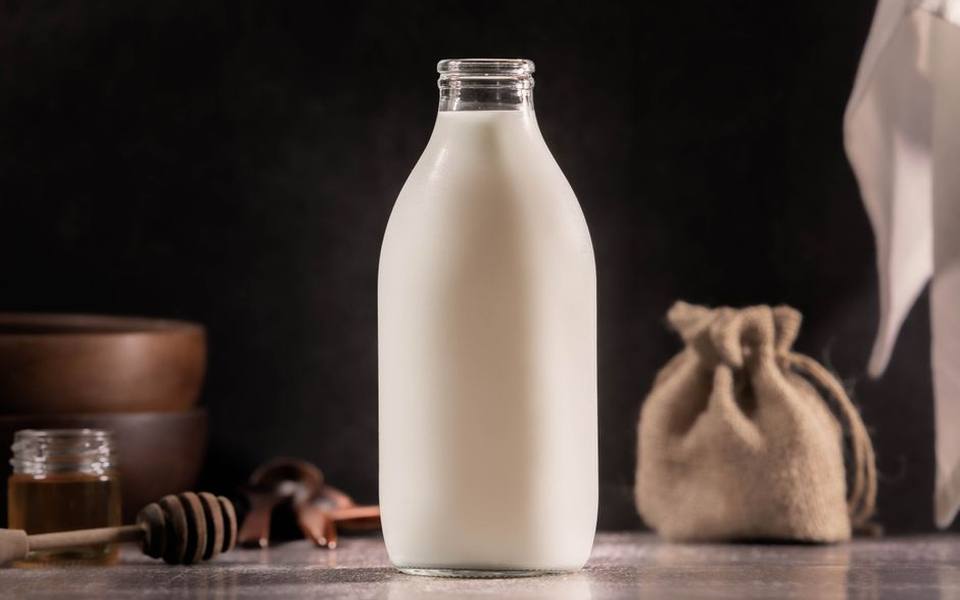
In states with restrictive commercial dairy laws, consumers frequently secure fresh milk through cow-share or herd-share programs. Under a herd-share agreement, an individual purchases a fractional interest in a dairy animal or herd and pays a boarding fee to the farmer for ongoing feed, veterinary care, and milking chores. Because owners are legally consuming milk from their own livestock, these private contracts often operate outside commercial retail mandates.
When scouting licensed dairy producers or reputable U-Pick farms in Pennsylvania and other agricultural regions, transparent sanitation practices should be your top priority. Inquire whether the dairy performs regular third-party bacterial plating, how quickly the milk is chilled in bulk tanks after collection, and how holding vessels are sanitized between milkings. Reputable producers welcome questions regarding their closed-loop milking lines, herd health testing, and pasture-based feeding routines.
Using Food Assistance Benefits at Local Farm Stands
Many shoppers wonder whether community markets and farm stalls can process Supplemental Nutrition Assistance Program transactions. In most regions, community farmers markets actively participate in the Electronic Benefit Transfer program, allowing recipients to swipe their cards for fresh vegetables, whole fruits, bread, and qualifying dairy items. Participation is not universal at single rural stands, but regional cooperative markets almost always provide dedicated processing stations.
At organized markets, you will typically visit the central market manager booth or information kiosk before shopping. A market representative swipes your card for a designated balance and exchanges that credit for market scrip, wooden tokens, or paper vouchers. Individual growers accept these tokens at their stalls just like cash, though vendors cannot provide monetary change for unused tokens. Any unused market tokens typically remain valid throughout the active market season.
Shoppers utilizing assistance programs should also look into matching incentives such as Double Up Food Bucks. These state and regional programs match federal benefits dollar-for-dollar up to a specified daily cap when spent on local produce. Leveraging these incentives dramatically reduces grocery expenses while directing essential federal dollars into the hands of independent farmers, expanding access to fresh field crops across rural and suburban communities alike.
Spotting Top-Quality Berry Patches and Orchard Rows
Finding an exceptional grower requires looking beyond proximity and assessing horticultural practices in the rows. The best berry patches maintain wide, weed-free grassy lanes between bushes, employ drip irrigation lines to keep foliage dry, and use bird netting or overhead canopies to protect fruit from pest damage. When fields are well maintained, walking rows with collection buckets is easier, and the fruit itself suffers fewer fungal issues.
Top-tier operations also invest in multiple plant cultivars that ripen sequentially from late spring through late summer. Sourcing fruit from well-planned U-Pick blueberry farms and orchards allows visitors to harvest early-season varieties like Duke, followed by mid-season Bluecrop, and finishing with late-season Elliott. Staggered plantings ensure that ripe, plump fruit remains abundant regardless of when you schedule your outing.
Before heading into the fields, examine how the producer handles field grading and storage advice. Well-managed farms provide sturdy shallow containers that prevent soft berries from crushing under their own weight, along with shade-covered weighing stations. High-quality operations will also remind pickers to select dry berries in the morning, which significantly reduces the risk of mold developing once containers are loaded into a vehicle.
Choosing Cantaloupes for Peak Sweetness and Ripeness
Selecting an exceptional melon in a farm bin or grocery produce section requires engaging multiple senses rather than relying solely on size. The skin underneath the raised netting offers the clearest visual indicator of maturity. Immature melons display a pale green or gray rind beneath the webbing, whereas a fully ripe cantaloupe exhibits a warm, golden-beige or creamy yellow undertone across the entire surface of the fruit.
Inspect the stem end of the melon, known horticulturally as the scar. When cantaloupes ripen naturally on the vine, an abscission layer forms, allowing the fruit to pull away with gentle pressure, leaving a smooth, clean, slightly depressed basin. If you notice a jagged piece of dried vine stem still clinging to the melon, it was likely severed prematurely and will fail to develop full natural sweetness during storage.
Smell and tactile feedback provide the final confirmation. Bring the blossom end opposite the stem directly to your nose; a ripe cantaloupe emits an unmistakably sweet, musky floral fragrance at room temperature. The fruit should feel heavy for its dimensions, indicating dense moisture content, and yield slightly to gentle thumb pressure at the blossom end without feeling soft, bruised, or waterlogged across its outer shell.
Determining When Field Pumpkins Are Ready for Harvest
Determining whether winter squash and decorative gourds are fully mature requires inspecting the vine, skin, and stem. A pumpkin left on the vine too long can succumb to soil rot, while one cut too early will shrivel and decay prematurely. Watch the surrounding plant canopy; as harvest approaches, the vigorous green leaves will yellow, dry out, and collapse, signaling that the root system has ceased pumping moisture into the fruit.
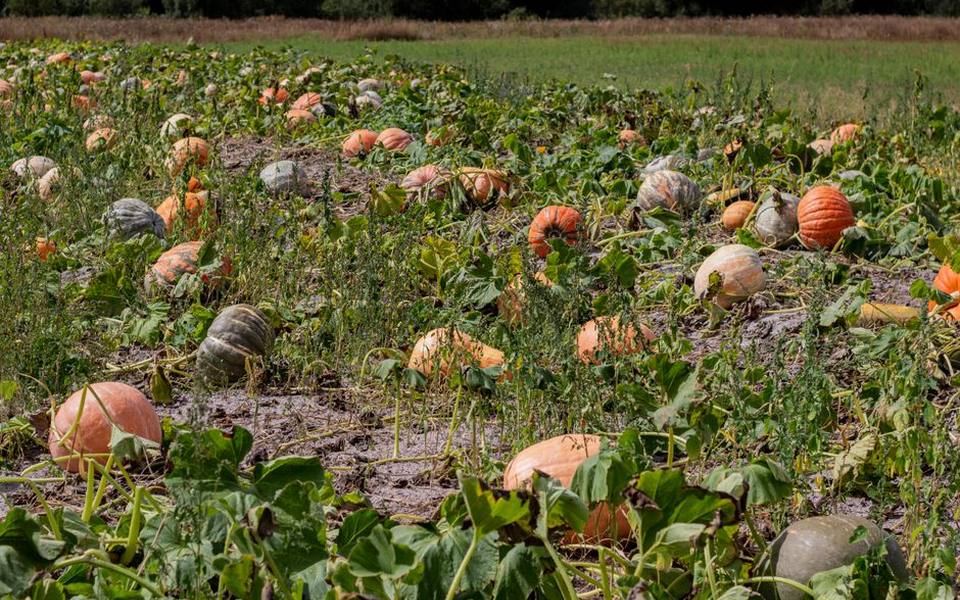
The fingernail test remains the definitive physical method to verify a pumpkin's exterior shell. Gently press your thumbnail against the rind on an inconspicuous spot; if the rind resists and leaves no puncture mark, the outer shell has cured sufficiently to protect the interior flesh. If your nail pierces the skin easily or leaves a soft dent, the pumpkin requires additional field drying time before being detached.
Color uniformity and stem condition provide secondary cues before you begin cutting. The pumpkin should display a deep, solid hue across its exterior, without large green blotches unless the variety is naturally mottled. Many families combine harvest outings with seasonal entertainment by visiting farm destinations with on-site corn mazes, where you can inspect rows of cured stems that have turned fibrous, woody, and pale tan before cutting them from the main runner.
Planning Autumn Orchard Outings on Long Island
Agricultural excursions along the eastern half of Long Island offer an accessible escape for city dwellers and suburban families seeking fresh orchard fruit. The region's maritime climate, tempered by the Long Island Sound and the Atlantic Ocean, extends the autumn growing cycle and delays killing frosts. This allows local growers across the North Fork and central Suffolk County to produce exceptional tree fruit well into late October.
Visiting orchards in this coastal corridor requires careful timing to navigate weekend traffic and crop availability. Early September brings crisp varieties like Gala and Honeycrisp, while mid-to-late October yields hearty storage cultivars like Rome, Fuji, and Granny Smith. Consulting verified directories for U-Pick farms in New York helps travelers confirm picking hours, bag fees, and parking reservation policies before leaving home.
Beyond tree rows, eastern Long Island agricultural stops frequently feature estate cideries, artisanal bakeries, and pumpkin patches situated adjacent to coastal bluffs. Because coastal farm tracks can become congested during peak October foliage weekends, arriving early in the morning guarantees prime fruit selection on the lowest branches and avoids prolonged checkout lines at scale stations.
Storing Orchard Apples for Extended Winter Eating
Keeping fresh apples crisp and flavorful for months requires deliberate curation right from harvest. Early-ripening summer apples possess delicate skins and high cellular respiration rates, making them poor candidates for long-term storage. For cellar keeping, focus exclusively on firm, late-harvest cultivars featuring thick skins and high acid levels, such as Northern Spy, Arkansas Black, Winesap, and Honeycrisp.
Inspect every piece of fruit meticulously before packing them away. A single bruise, puncture, or broken stem invites opportunistic fungi that quickly spread throughout an entire container. Only immaculate, unblemished specimens should enter storage containers. Leave stems intact whenever possible, as tearing the stem out creates an entry wound that exposes the internal flesh to ambient airborne spores.
Ideal storage conditions mimic a traditional root cellar, requiring temperatures maintained consistently between thirty-two and thirty-six degrees Fahrenheit alongside high relative humidity around ninety percent. Pack individual apples wrapped loosely in unprinted newsprint or paper bags into wooden slatted crates to promote gentle ventilation. Keep stored crates well away from potatoes, as curing potatoes release moisture and gases that accelerate fruit softening.
Cultivating Vibrant Dahlias from Garden Seed
While standard landscape dahlias are typically propagated by dividing mature overwintered tubers, growing them from seed offers an affordable, rewarding path to producing abundant blooms. Dahlia seeds produce genetic variations that do not match the parent plant identically, meaning every seed yields unique petals, unexpected color shifts, and varied bloom structures across your cutting borders.
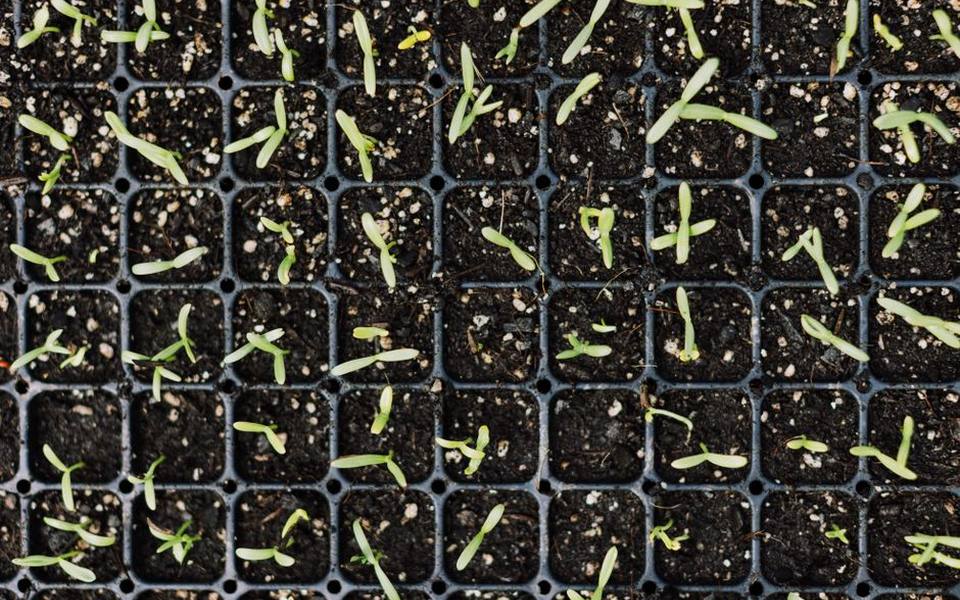
Start seeds indoors roughly six to eight weeks before your region's anticipated final spring frost date. Sow seeds about one-quarter inch deep into sterile seed-starting mix within shallow cell trays. Keep the soil evenly moist and maintain ambient warmth near seventy degrees Fahrenheit using a bottom heat mat until germination occurs, which typically takes between seven and twelve days.
Once green shoots emerge, move trays beneath strong grow lights or into a sunny greenhouse to prevent spindly growth. When seedlings develop two pairs of true leaves, pinch off the delicate central growth tip to stimulate lateral branching and stockier stems. Harden young plants off outdoors over a week-long period before planting them into rich garden beds that receive full sunshine throughout the day.
Connecting Directly with Independent Agricultural Producers
Sourcing whole foods, unpasteurized dairy, and seasonal harvest goods directly from local producers fosters a transparent food system. Visiting farms allows consumers to observe livestock management, field drainage, soil amendments, and cold-storage operations firsthand. Asking farmers direct questions about herd testing, pesticide regimes, and harvest intervals provides confidence that grocery store packaging simply cannot match.
Building a reliable network of growers is straightforward when leveraging statewide grower databases. Across our catalog of over 1,900 listings in top agricultural states, consumers can easily identify authentic pick-your-own farms and orchards that welcome public visitors. Direct farm relationships bypass industrial distribution networks, keeping your food dollars circulating within nearby rural communities.
As growing seasons shift from spring greens to autumn squashes, regular communication with nearby growers keeps you aligned with natural harvest windows. Many independent producers maintain weekly email dispatches or farm-gate message boards highlighting what is ready for harvest. Supporting these producers ensures that small-scale livestock husbandry, heirloom orchards, and educational family destinations continue to thrive across the American countryside.
Published 2026-09-20 · reviewed with each rebuild, last September 2026.
Find u-pick farms near you
The directory lists 3,339 u-pick farms by state and city — pick your state or use the “Near me” button in the header.
More guides
-
 Buying
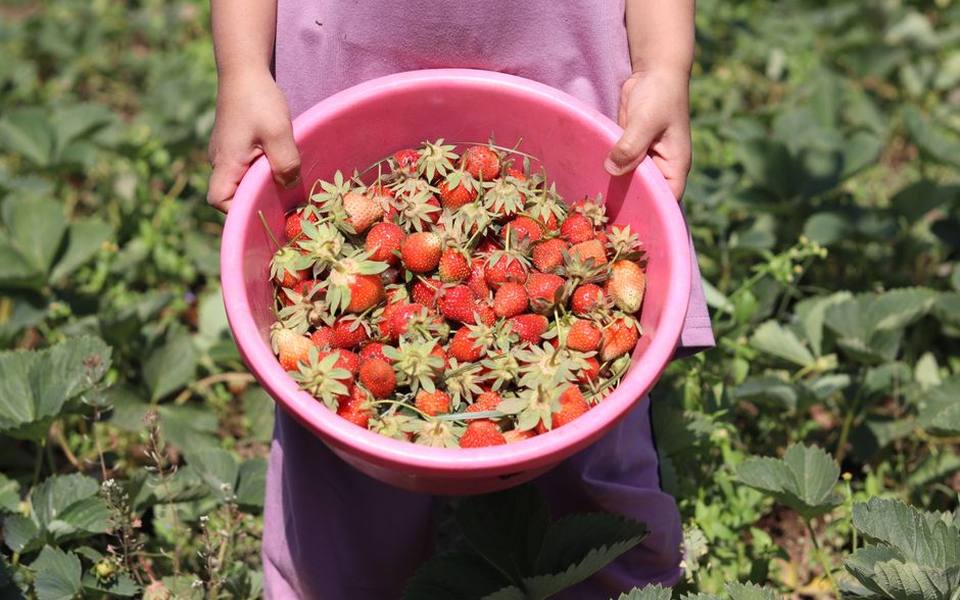
When Is Strawberry Season? Peak Months and U-Pick Picking Guide
-
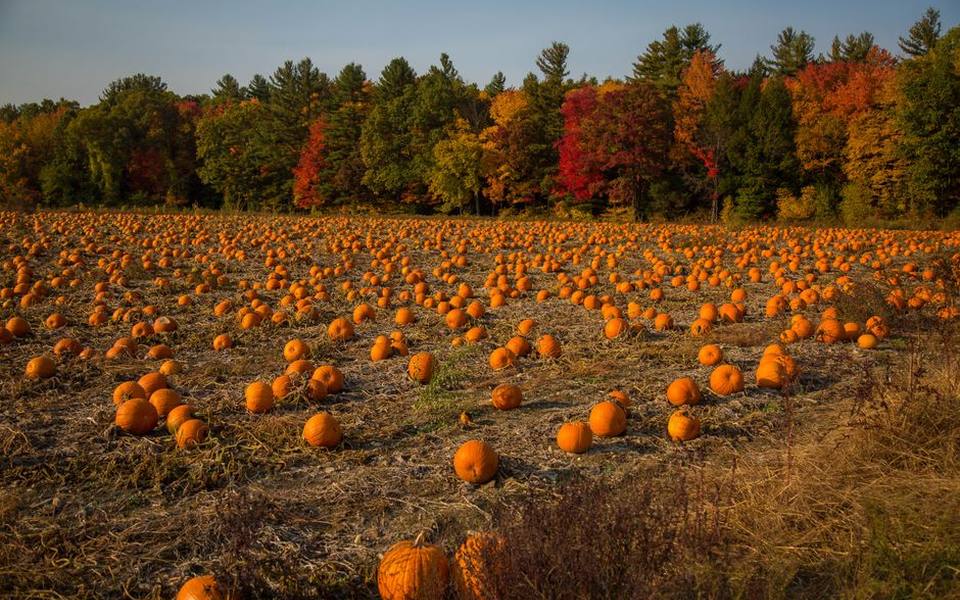 Buying
Pumpkin Patch Visitor Guide: Opening Dates, Pricing, and Selection Tips
-
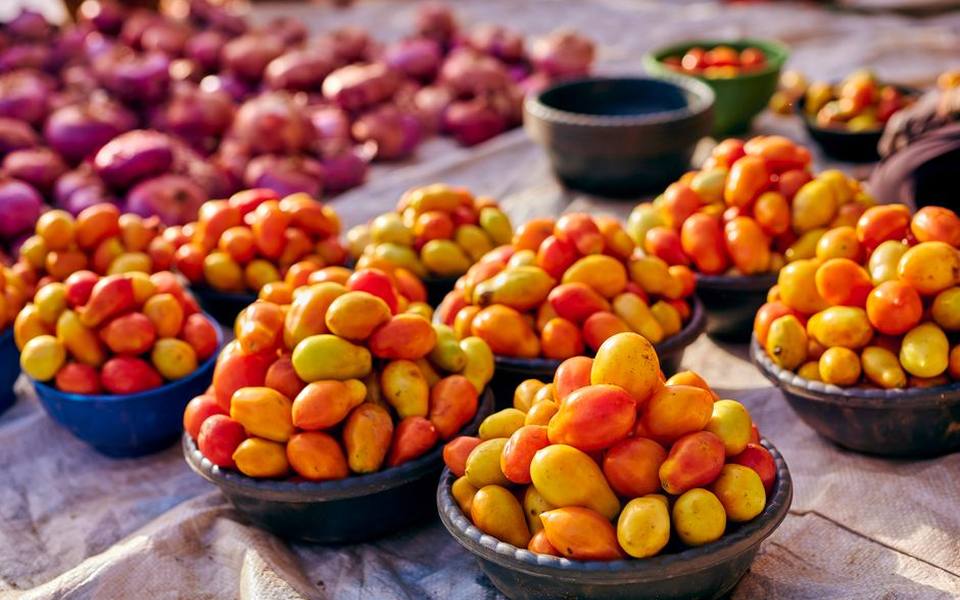 Buying
How to Pick Ripe Produce: Melons, Roots, Citrus, and Greens
-
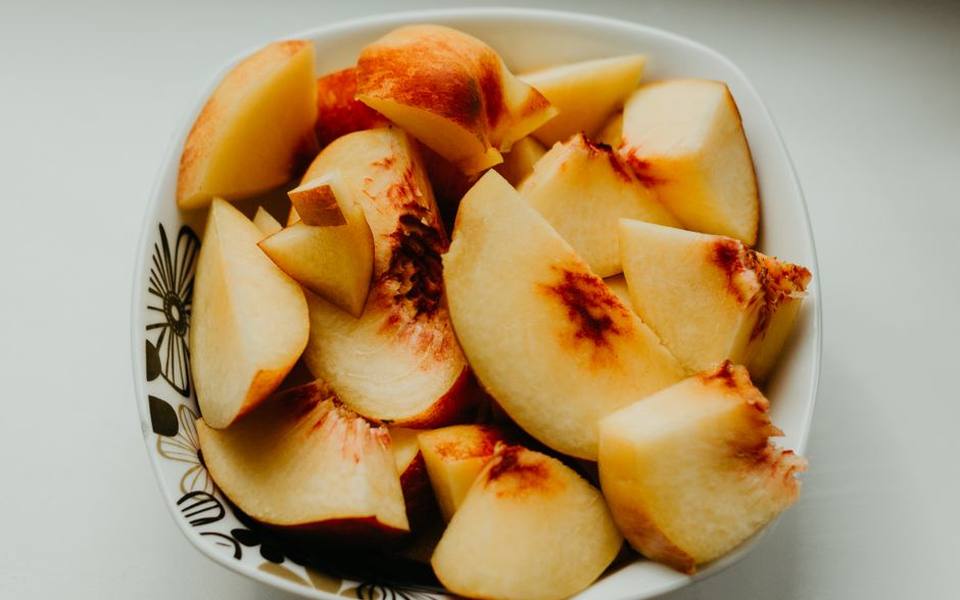 Storage
How to Peel and Preserve Fresh Peaches: Blanching, Freezing, and Variety Tips
-
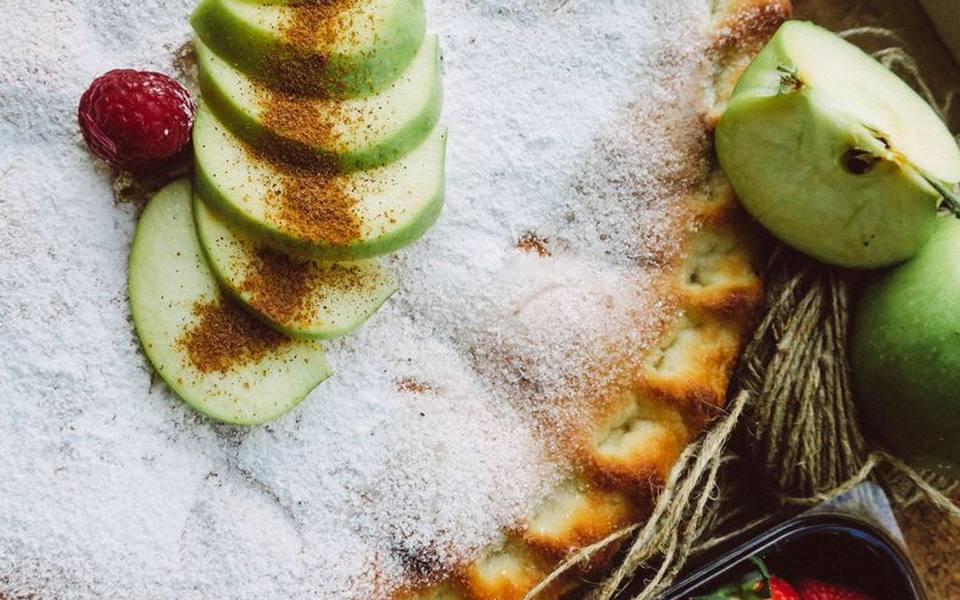 Buying
Best Apples for Baking Pies and Cakes: Crispness and Flavor Guide
-
 Buying
Apple Picking Guide: Bushel Measurements, Costs, Storing, and Washing
-
 Money
MoneyBlackberry Farm Pricing Guide: Costs, Accommodations, and Seasonal Farmstead Skills
-
 Buying
A Guide to Shopping Local Farmers Markets, Farm Stands, and CSA Boxes
-
 Buying
Apple Orchard and Cider Mill Guide: U-Pick Apples, Cider, and Fall Treats
-
 Buying
Fall Agritourism Guide: Corn Mazes, Pumpkin Patches, and Autumn Festivals
-
 Buying
U-Pick Flower Fields: Guide to Tulips, Lavender, Sunflowers, and Dahlias
-
 Buying
Agritourism Experiences: Goat Yoga, Farm Stays, and Rustic Barn Venues
-
 Owning
Seasonal Guide to U-Pick Berries and Fruit Orchards: Cherries, Berries, and Peaches
-
 Buying
Fall Agritourism Guide: Pumpkin Patches, Corn Mazes, and Harvest Festivals
-
 Owning
On-Farm Floral Workshops and Flower Arrangement Classes Guide
-
 Owning
A Complete Guide to U-Pick Fruit Orchards: Berries, Stone Fruit, Citrus, and Vines
-
 Buying
Honey Farm Visits, Local Apiaries, and Raw Honey Buying Guide
-
 Owning
Comprehensive Guide to Fresh Apples, Cider Pressing, and Canning Recipes
-
 Owning
Livestock Feeds and Feeding Equipment Selection Guide
-
 Owning
Fruit Picking Guide: U-Pick Orchards and Harvest Tools
-
 Buying
Flower Farm Guide: U-Pick Fields, Fresh Bouquets, and Workshops