Foundations of Daily Livestock Nutrition
Livestock feeding centers on balancing raw energy, usable protein, clean water, and trace minerals tailored to an animal's unique digestive anatomy. Ruminants such as cattle, sheep, and goats require fibrous, long-stem roughage to maintain healthy microbial fermentation in the rumen. In contrast, monogastric animals like pigs and poultry depend on energy-dense, easily digestible grains and protein meals with balanced amino acid profiles.
Getting baseline rations right prevents metabolic disorders, stunted growth, and avoidable feed expenses. Daily nutritional demands fluctuate continuously based on life stage, body condition score, ambient temperature, and production goals such as lactation or rapid finishing. Young stock building bone require higher crude protein percentages, while mature dry animals maintain good condition on maintenance-grade rations.
Reliable access to fresh, clean drinking water is the most overlooked element of farm animal feeding. A standard beef cow can drink anywhere from ten to twenty-five gallons of water daily depending on heat and diet, while a lactating sow or laying hen requires continuous hydration to process dry rations. If water availability drops, dry feed intake declines immediately, slowing digestion and compromising herd immunity.
Pasture Grazing and How Cattle Digest Roughage
Observing how cows eat grass reveals the mechanics of ruminant digestion. Cattle lack upper incisors, using their muscular tongue to sweep standing forage into the mouth before pinching it against the dental pad and tearing it free. Once swallowed, coarse plant material enters the rumen, where billions of beneficial microbes ferment fibrous plant cell walls, transforming cellulose into volatile fatty acids that supply the animal's primary energy.
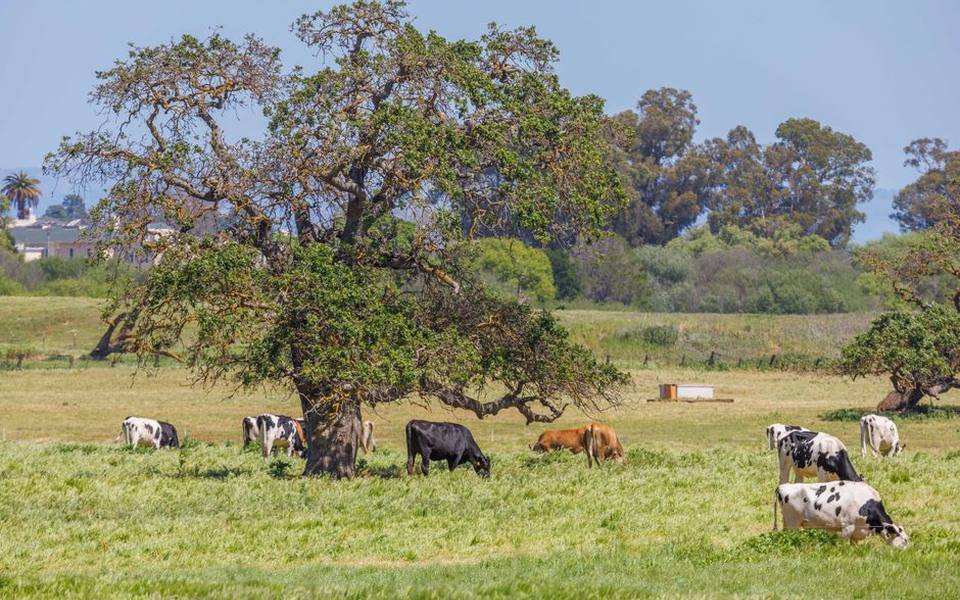
Maintaining pasture quality requires consistent grazing management and rotational planning. Continuous grazing on a single paddock often leads cattle to repeatedly graze tender regrowth while ignoring mature grasses, weakening root reserves and opening bare ground to weeds. Dividing pastures into smaller cells allows plants to recover their root starch reserves before livestock return for another cycle.
Forage availability shifts dramatically between spring growth surges, midsummer heat, and late autumn dormancy. Working ranches and diversified homesteads listed across our nationwide farm directory frequently balance pasture rest intervals with stocking rates to sustain high forage yields without degrading pasture soils.
Selecting Good Forage and Hay for Cattle
Selecting appropriate hay for cows begins with assessing forage maturity, cutting timing, and moisture levels. Cool-season grass hays like timothy, orchardgrass, and brome provide excellent bulk fiber and baseline energy for mature cows. Legumes such as alfalfa or red clover deliver substantially higher crude protein and calcium, making them ideal supplements for growing calves, dairy cows, or lactating beef pairs.
A laboratory forage analysis is the most reliable way to evaluate nutritional content before committing to winter feeding. While visual checks confirm green color, sweet smell, and an absence of white mold or dust, a lab test provides accurate figures for Total Digestible Nutrients and crude protein. High neutral detergent fiber indicates older, stemmy forage that cattle digest slowly.
Proper storage safeguards the nutritional investment of harvested forage throughout winter months. Bales stacked on bare ground wick moisture from below, creating moldy bottom layers that cattle consistently refuse. Storing round and square bales under roof or on gravel pads with breathable covers preserves dry matter and prevents valuable leaf shatter.
Supplemental Energy and Range Cubes
When cold weather sets in or dormant winter pasture drops below seven percent crude protein, supplemental cubes for cows help maintain body condition. These compressed range pellets combine plant proteins like cottonseed or soybean meal with digestible fiber, binders, and supplemental minerals to feed rumen microbes so cattle can break down dry standing stalks.
Distributing cubes directly onto dry pasture turf or into mobile troughs gives producers an easy way to deliver measured rations across scattered herds. Cattle recognize the sound of feed trucks or cube sacks and gather reliably, allowing handlers to inspect body condition, eye health, and mobility during feeding. Range cubes typically come in sizes from three-quarters of an inch up to larger cakes that reduce pasture drop loss.
Producers should calculate supplemental feeding rates carefully to avoid wasting money or inducing digestive upset. Feeding excessive grain or starch-heavy supplements can rapidly lower rumen pH, causing acidosis and killing off the fiber-digesting bacteria needed for forage consumption. High-protein cubes should bridge an identified nutritional deficit rather than replace basic roughage.
Choosing the Right Cow Feeder for Bales and Rations
Feeding large round or square bales without an enclosed cow feeder can result in thirty to forty percent waste from trampling, bedding, and manure contamination. Elevating forage off the soil and enclosing it within a sturdy frame forces cattle to eat with their heads held inside, dropping loose stems back into the pan rather than beneath their hooves.
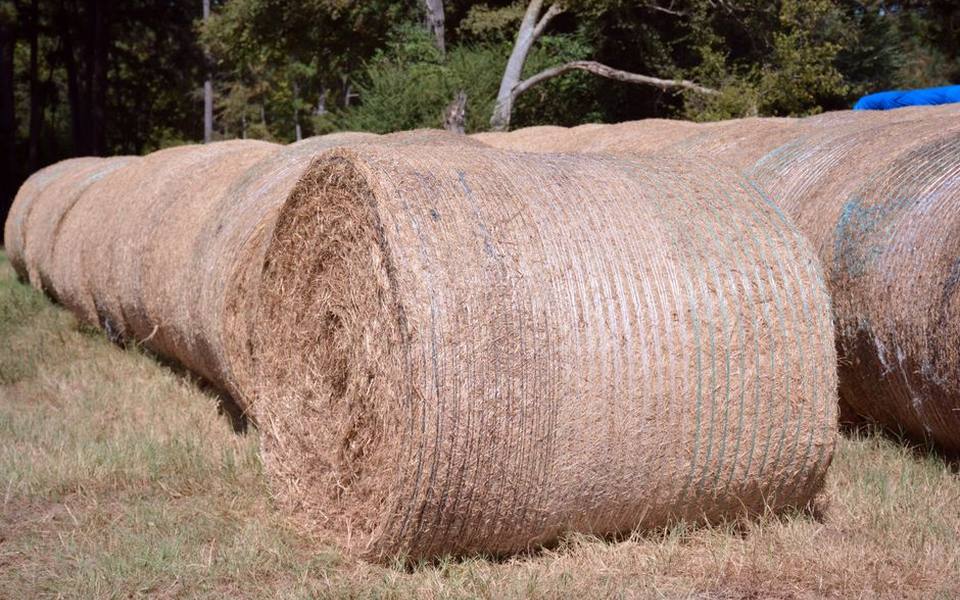
Feeder architecture should match the specific class of cattle you manage. Traditional open-bottom steel rings work well for horned stock or mature dry cows, but skirted feeders with solid sheet metal bottoms save significantly more hay by retaining loose leaves. Polyethylene ring feeders resist rust, denting, and corrosive manure, providing a lightweight alternative that a single person can roll across muddy paddocks.
Operations managing mixed rations or grain supplements rely on elevated bunk feeders to maintain sanitation. Heavy-gauge galvanized steel or recycled poly bunks resist pushing from heavy cattle and allow rainwater to drain freely. On regional operations like dairy farms across Wisconsin, bunk spacing typically provides twenty-four to thirty inches of trough edge per adult animal to prevent bullying during feeding.
Meeting Swine Dietary Requirements
Knowing how to feed the pigs properly starts with understanding their single-chambered, monogastric digestive system. Because swine lack the fermentation vats found in ruminants, they cannot thrive exclusively on pasture roughage or poor-quality hay. Swine require energy-dense, easily absorbed rations based on ground grains like corn, wheat, or barley fortified with high-quality protein meals.
Swine rations must supply balanced levels of essential amino acids, with lysine serving as the primary limiting factor for muscle synthesis. Young nursery pigs typically need eighteen to twenty percent crude protein to support lean tissue accretion, while finishing hogs near market weight do well on thirteen to fifteen percent rations. Calcium and phosphorus in proper ratios ensure strong skeletal growth under rapid weight gain.
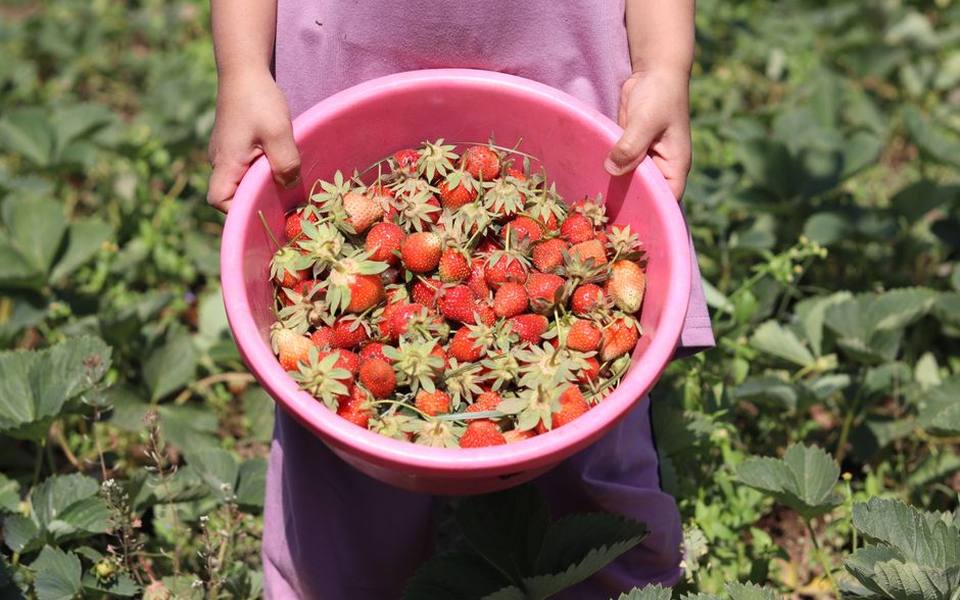
While surplus garden produce, whey, and trimmings from diversified pick-your-own fruit operations offer tasty enrichment, they should never serve as the primary diet for growing hogs. Bulk produce contains high water volume and variable sugar levels, which can dilute essential amino acid intake and lead to loose stools or uneven growth rates.
Durable Feeders Built for Pig Behaviors
Selecting a feeder for pigs requires heavy-duty construction because swine instinctively use their snouts to root, lift, and nudge anything in their environment. Lightweight plastic troughs or thin sheet metal boxes will quickly be overturned, warped, or demolished by energetic growing pigs. Commercial hog feeders rely on thick galvanized steel, heavy cast iron troughs, or reinforced rotational-molded plastic.
Gravity-flow dry feeders fitted with internal agitation plates are the standard for finishing pens and dry sow housing. Pigs learn to bump a small metal lever or spin a wheel at the base of the hopper, which sifts a small quantity of pelleted or ground feed into individual feeding cups. This on-demand design keeps the bulk feed hopper sealed away from dirt, rain, and manure.
Proper adjustment of the feeder feed-gate prevents major financial losses from feed wastage. The gate should be closed down until roughly forty to fifty percent of the trough floor is visible, forcing pigs to lick up meal rather than push it into bedding. Anchoring feeders directly to concrete pads or sturdy fencing keeps large hogs from dragging equipment across the pen.
Nutritional Programs and Feed for Poultry Flocks
Formulating feed for poultry requires adjusting protein and mineral ratios to match each stage of feathering, growth, and egg production. Newly hatched chicks require a crumbly starter feed containing eighteen to twenty-two percent crude protein and coccidiostats or essential oils to support developing intestinal tracts. As birds grow, they transition to grower formulas with moderate energy and lower protein.
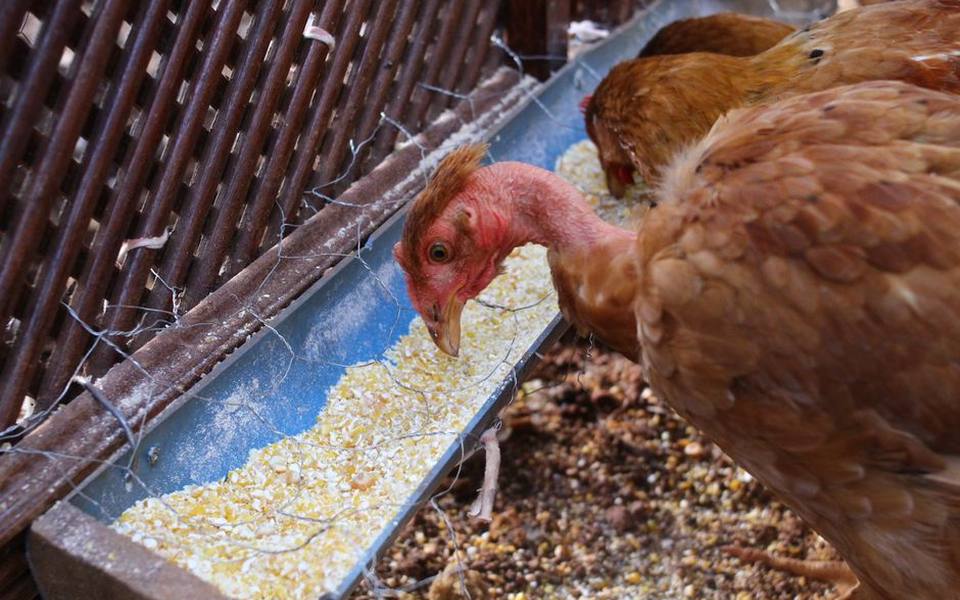
Once hens reach maturity and prepare to lay, their calcium needs increase dramatically to support eggshell production. Complete commercial feeds, such as balanced layer pellets from established lines like Nutrena chicken feed, contain roughly three to four percent calcium along with balanced phosphorus and vitamin D3. Offering supplemental oyster shell free-choice allows high-producing hens to consume extra calcium on demand without unbalancing the diet of non-layers.
A reliable farm animal feeder for poultry must prevent birds from scratching grain out onto damp coop bedding. Hanging gravity tubes set at the height of the bird's back deter scratching, while treadle-style feeders require the bird's weight to open a hinged door, preventing rats and wild sparrows from consuming rations. Keeping waterers and feeders separate prevents moisture from spoiling stored dry mash.
Nursery Care and Using Goat Milk Replacer
Raising orphaned or disowned kid goats requires a reliable goat milk replacer to mimic natural doe milk. High-quality milk replacers contain all-milk proteins, such as dried whey and skim milk, rather than vegetable proteins like soy, which young kid stomachs cannot fully digest. The dry powder should provide twenty to twenty-four percent crude protein and twenty percent fat.
Mixing and feeding temperatures are critical to prevent digestive distress like abomasal bloat or nutritional scours. Powder must be blended with warm water following the package directions exactly, then served at a steady temperature between one hundred and one hundred five degrees Fahrenheit. Under-diluting creates thick curd formations that cause colic, while over-diluting starves the animal of needed calories.
Equipment hygiene during the bottle-feeding period protects weak immune systems from bacterial infections. Nipples, bottles, and multi-nipple nursery pails should be rinsed in cold water, washed with hot soapy water, and disinfected after every feeding. Small kids should have early access to fine-stemmed grass hay, fresh water, and balanced kid starter pellets to encourage rumen papillae growth before weaning.
Feeder Hygiene, Storage, and Pest Control
Maintaining your farm animal feeder equipment and bulk grain storage is essential for safeguarding animal health and feed investments. Spoilage occurs quickly when humid air or rain penetrates cracked feed bins, encouraging molds that produce toxic mycotoxins. Aflatoxins and vomitoxins cause feed refusal, spontaneous abortions, and liver damage across both cattle herds and swine pens.
Bagged feed and loose grains should always be stored inside rodent-proof galvanized bins or sealed metal drums set on raised wooden pallets. Mice and rats consume considerable feed volume while spreading dangerous pathogens, including salmonella and leptospirosis, through droppings and urine. Inspecting bins regularly for chew holes and condensation leaks preserves feed purity between seasonal deliveries.
Routine sanitation keeps outdoor feed bunks and creep feeders performing reliably year after year. Homesteads and livestock producers across Pennsylvania agricultural communities typically scrape bunks clean of crusted fines before refilling and pressure-wash equipment between batches of stock. Keeping feeding pads well-drained and clean minimizes foot rot, internal parasites, and fly breeding sites.
Published 2026-09-25 · reviewed with each rebuild, last September 2026.
Find u-pick farms near you
The directory lists 3,339 u-pick farms by state and city — pick your state or use the “Near me” button in the header.
More guides
-
 Buying
When Is Strawberry Season? Peak Months and U-Pick Picking Guide
-
 Buying
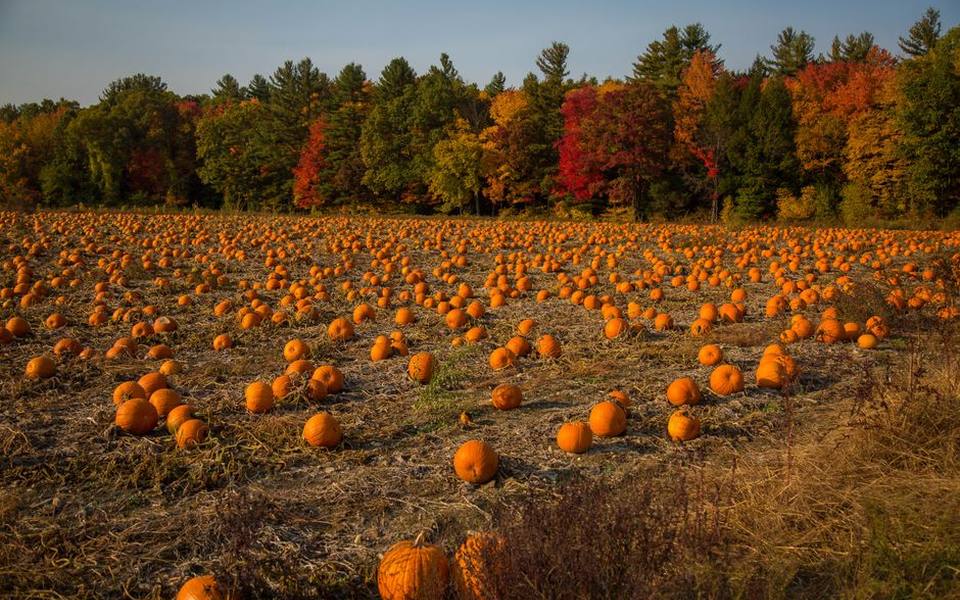
Pumpkin Patch Visitor Guide: Opening Dates, Pricing, and Selection Tips
-
 Buying
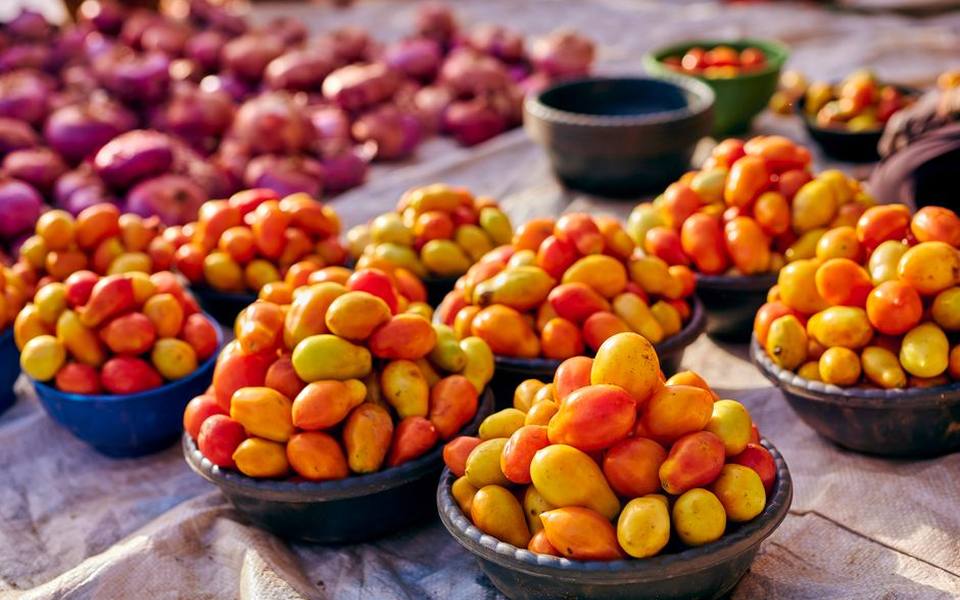
How to Pick Ripe Produce: Melons, Roots, Citrus, and Greens
-
 Storage
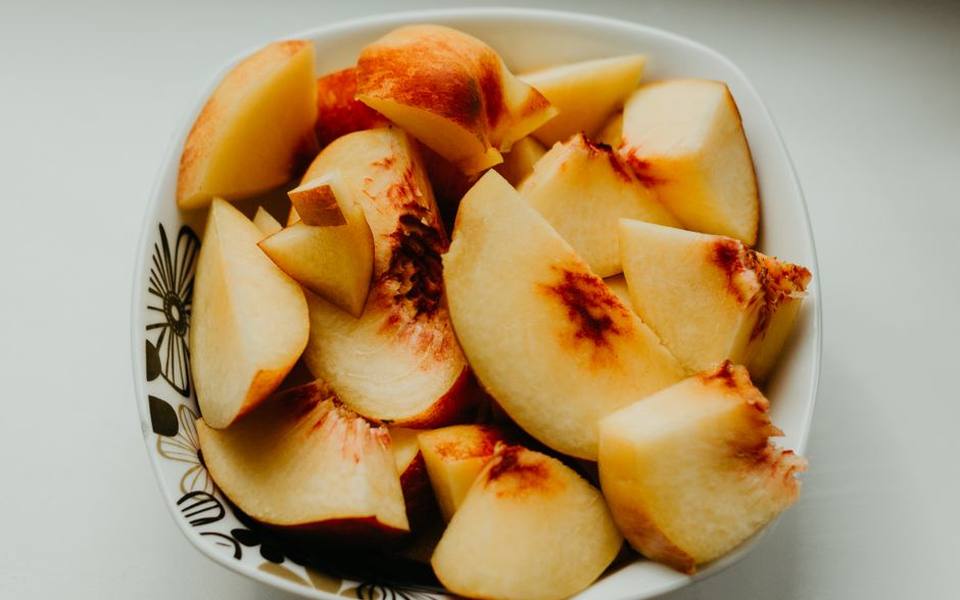
How to Peel and Preserve Fresh Peaches: Blanching, Freezing, and Variety Tips
-
 Buying
Best Apples for Baking Pies and Cakes: Crispness and Flavor Guide
-
 Buying
What Is Raw Cow Milk? Benefits, Safety Rules, and Sourcing
-
 Buying
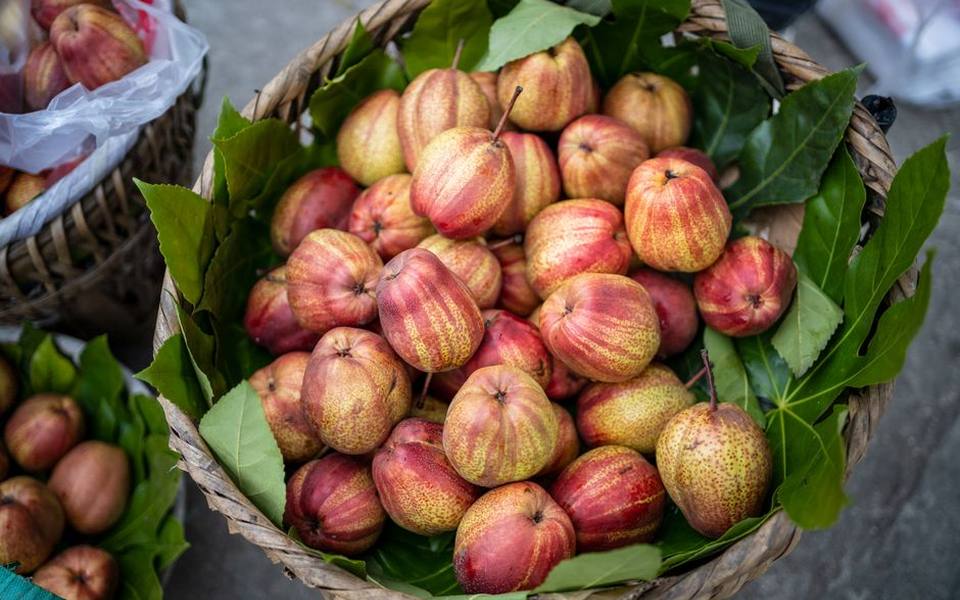
Apple Picking Guide: Bushel Measurements, Costs, Storing, and Washing
-
 Money
MoneyBlackberry Farm Pricing Guide: Costs, Accommodations, and Seasonal Farmstead Skills
-
 Buying
A Guide to Shopping Local Farmers Markets, Farm Stands, and CSA Boxes
-
 Buying
Apple Orchard and Cider Mill Guide: U-Pick Apples, Cider, and Fall Treats
-
 Buying
Fall Agritourism Guide: Corn Mazes, Pumpkin Patches, and Autumn Festivals
-
 Buying
U-Pick Flower Fields: Guide to Tulips, Lavender, Sunflowers, and Dahlias
-
 Buying
Agritourism Experiences: Goat Yoga, Farm Stays, and Rustic Barn Venues
-
 Owning
Seasonal Guide to U-Pick Berries and Fruit Orchards: Cherries, Berries, and Peaches
-
 Buying
Fall Agritourism Guide: Pumpkin Patches, Corn Mazes, and Harvest Festivals
-
 Owning
On-Farm Floral Workshops and Flower Arrangement Classes Guide
-
 Owning
A Complete Guide to U-Pick Fruit Orchards: Berries, Stone Fruit, Citrus, and Vines
-
 Buying
Honey Farm Visits, Local Apiaries, and Raw Honey Buying Guide
-
 Owning
Comprehensive Guide to Fresh Apples, Cider Pressing, and Canning Recipes
-
 Owning
Fruit Picking Guide: U-Pick Orchards and Harvest Tools
-
 Buying
Flower Farm Guide: U-Pick Fields, Fresh Bouquets, and Workshops