The Evolution of Modern Fall Agritourism
Visiting an operational farm in late September and October has shifted from a simple roadside squash purchase into an immersive rural tradition. Generations ago, families drove down back roads to pick up winter squash directly from wooden crates stacked outside a packing barn. Today, family farms have integrated sprawling autumn entertainment grounds featuring hayrides, live bluegrass, agricultural education stations, and massive harvest festivals. Destination hubs like Bengtson's Pumpkin Farm in Homer Glen, Illinois, or Cornbelly's in Utah set the standard for modern autumn festivals, pairing vast active fields with seasonal carnival hospitality.
The economic foundation of these fall attractions rests on experiential agriculture, often called agritourism. For working farms, opening the gates to the public between Labor Day and Halloween generates significant revenue that offsets the unpredictable margins of commodity farming. The seasonal shift allows growers to sell specialty squash, sweet cider, baked goods, and interactive tickets directly to consumers at full retail value rather than wholesaling crops at a steep discount.
Navigating these large-scale farm venues requires understanding how modern operations structure their grounds. Most large properties divide their land into ticketed entertainment zones, working pick-your-own acreage, and public market plazas. Visiting early in the fall season typically means smaller crowds, firmer produce, and fresh field paths before tractor traffic and pedestrian trampling wear down the turf.
Decoding Corn Labyrinths and Field Navigation
A corn labyrinth is far more than a path cut haphazardly through tall stalks. Commercial field designs often begin in late spring, using precision GPS mapping software linked directly to commercial planting equipment or zero-turn mowers. Seeds are planted in cross-grid patterns to create dense vegetation walls, and once the stalks reach knee height, operators carve precise pathways. Sprawling destination labyrinths like the Exeter Corn Maze in central California or the historic Buford Corn Maze in northern Georgia cover anywhere from five to ten acres, creating intricate, multi-mile walking puzzles.
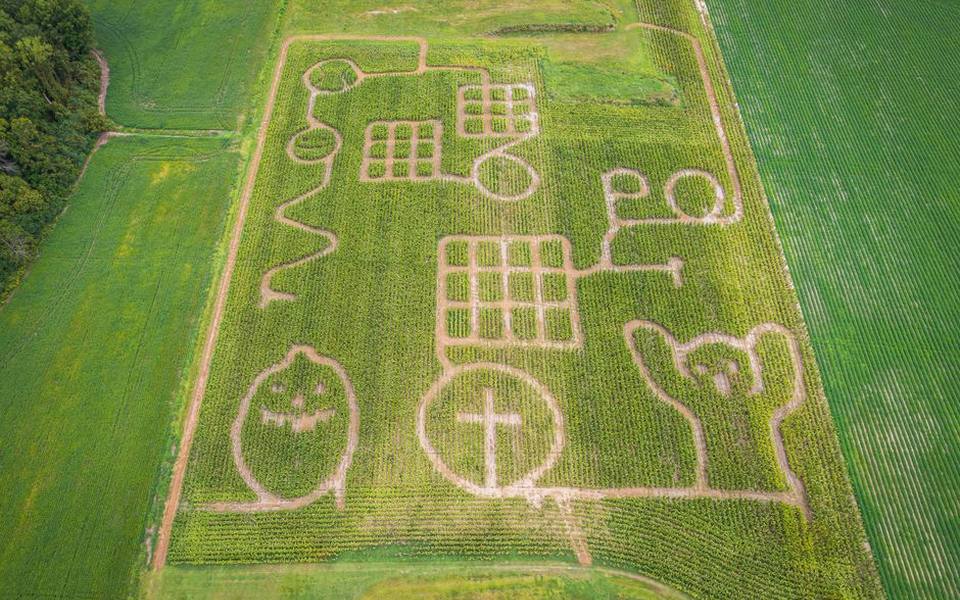
Walking through these tall, walled trails requires a basic strategy if you hope to finish in under an hour. Stalks routinely reach ten to twelve feet in height by October, blocking all external visual landmarks and natural breezes. When navigating dense farm destinations with on-site corn mazes, keeping one hand along an unbroken perimeter wall—often called the wall-follower rule—guarantees an exit, though it rarely provides the fastest route. Many growers now hand out trivia maps at the entrance where correct answers to agricultural questions provide directional clues at designated checkpoints.
Physical comfort inside a cornfield labyrinth depends heavily on early preparation. Pathways are composed of bare dirt or chopped stalks, meaning dry weather creates fine, airborne dust, while a passing shower quickly turns paths into slick mud. Wearing sturdy, closed-toe walking boots and carrying water is essential, as the microclimate deep inside dense corn rows tends to be several degrees warmer and more humid than the open farmyard outside.
After Dark: Haunted Mazes and Nighttime Field Trails
When twilight sets in, many family-friendly farm fields transform into seasonal scare zones designed for older teenagers and adults. A scary cornfield maze leverages the natural isolation of towering vegetation, autumn fog, and shadowy rows to create a naturally disorienting environment. Farms operating a haunted maze typically invest in low-voltage ground lighting, sound systems hidden within the rows, and costumed actors stationed at blind intersections or inside camouflaged outbuildings hidden among the stalks.
Safety requirements shift dramatically once a farm transitions from daytime recreation to night operations. Rural property owners typically restrict open flames, require actors to keep a defined physical distance from visitors, and station illuminated security personnel at dedicated emergency exits throughout the acreage. Before entering a nighttime attraction, check whether the venue issues flashlights or requires participants to walk in total darkness, as light restrictions alter the experience significantly.
If you are visiting with young children or visitors sensitive to intense jump scares, verify the farm's schedule before purchasing tickets. Many family-oriented growers divide their evening offerings, hosting a mellow, non-spooky flashlight walk through the main labyrinth before 8:00 PM and holding intense, theatrical scares on an entirely separate field trail later in the night.
Navigating the Patch: U-Pick Field Harvest Versus Market Bins
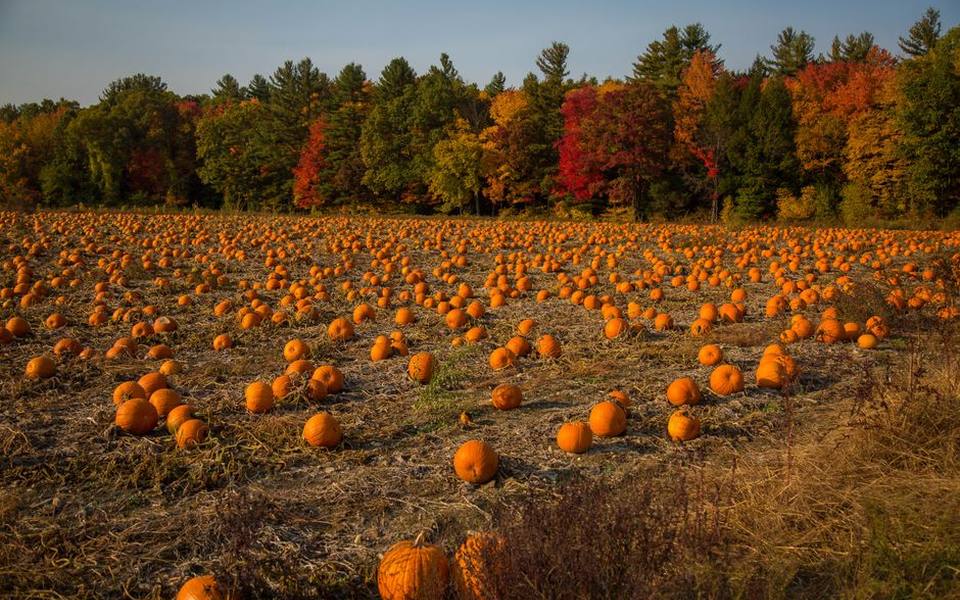
Choosing between harvesting your own squash from the vine or selecting pre-cut fruit from display bins depends on the experience you want and the time you have available. When walking through open fields across nationwide pick-your-own farms and orchards, you encounter pumpkins still tethered to thick, prickled vines. Cutting your own fruit ensures maximum freshness, but it also means wheeling heavy garden carts across uneven terrain and dealing with field soil and dried leaf debris.
Inspecting a field pumpkin requires looking past cosmetic surface dirt to evaluate structural integrity. Examine the fruit's base to verify it has not sat in pooling irrigation water, which causes soft rot and fungal development. The rind should feel firm and resist denting when pressed gently with a fingernail, indicating that the skin has fully cured and hardened against outdoor elements.
The stem, or handle, serves as a primary indicator of fruit vitality and must be treated carefully. Never pick up a pumpkin by its stem alone, as the fibrous connection can snap under the fruit's weight, creating an open wound that accelerates decay. Cut the vine cleanly using pruning shears, leaving three to four inches of dry, woody stem intact to seal off the top of the fruit from ambient bacteria.
Selecting Heirloom Squash and the Classic Cinderella Pumpkin
While standard bright-orange carving gourds dominate market displays, heirloom varieties have become increasingly popular for their unique shapes, muted colors, and culinary versatility. The celebrated Cinderella pumpkin, officially classified as the French heirloom Rouge Vif d'Etampes, is instantly recognizable by its deeply ribbed exterior, flattened top, and intense scarlet-orange skin. Legend holds that French illustrators used this specific squash as the visual model for Cinderella's enchanted carriage, making it an ornamental favorite for autumn porches.
Unlike thin-walled, fibrous field specimens grown purely for carving, many heirloom varieties double as exceptional winter baking squash. The Cinderella pumpkin features thick, custard-textured orange flesh with a sweet flavor profile that roasts down into smooth purées for soups and pies. Other popular heritage selections include the slate-blue Jarrahdale, the pale peach Long Island Cheese pumpkin, and speckled green Kabocha squash, each bringing dense flesh and long cellar shelf lives.
When purchasing heirloom varieties for both decoration and cooking, prioritize structural soundess over perfect symmetry. Surface netting, subtle scarring, and variable color patterns are standard genetic traits of open-pollinated heirlooms rather than signs of disease. Keep decorative heirloom squash in a dry, shaded porch location out of direct rainfall to prevent premature softening before you bring them into the kitchen.
Pumpkin Carving Craftsmanship: From Cute Faces to 3D Sculptures
Carving autumn squash has expanded from simple triangular cutouts into a broad spectrum of folk art, ranging from cute pumpkin carvings for family doorsteps to awesome carved pumpkins displaying shaded three-dimensional relief. Crafting a simple, approachable design often relies on oversized circular eyes, rounded smiles, and wide cheek cutouts that illuminate cleanly with a single tea light. These friendly faces remain popular because they require straightforward geometric cuts and hold their structural integrity for days without sagging.
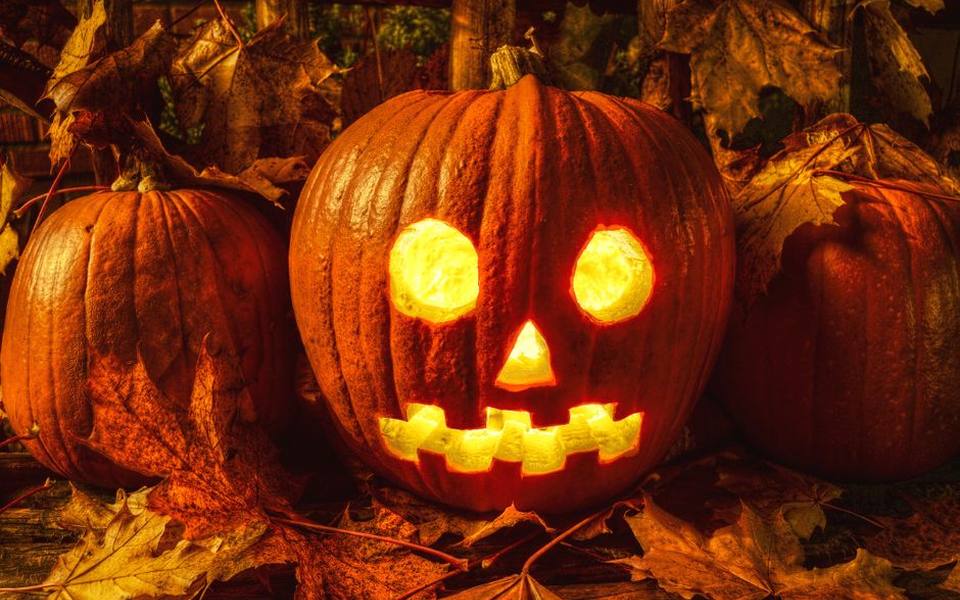
Advanced carving techniques treat the squash rind like marble, scraping away varying depths of skin rather than puncturing straight through to the hollow interior. By carefully peeling the dark outer rind with linoleum gouges or clay ribbon tools, you expose the pale orange flesh underneath. Light from an interior bulb shines through the shaved flesh with an amber gradient, allowing sculptors to create photorealistic portraits, animal figures, and subtle texturing that cannot be achieved with traditional stencil piercing.
Preserving your carved artwork requires active moisture management once the interior meat is exposed to ambient air. Once the pumpkin is hollowed, scrape the inner walls down until they measure approximately one inch in thickness to allow light transmission while maintaining wall rigidity. Coating the freshly cut edges with petroleum jelly or a light vegetable oil rub slows moisture evaporation, helping your display stay firm and mold-free for up to a week depending on outdoor humidity.
Classic Autumn Kitchen: Making Fresh Kettle Corn at Home
No autumn farm festival is complete without the warm, caramelized scent of corn popping over open gas burners in giant cast-iron pots. Recreating an authentic kettle corn recipe in a standard home kitchen requires balancing high heat, steady stirring, and the delicate caramelization point of granulated sugar. Because sugar burns rapidly once exposed to dry pan heat, the secret lies in pairing the right cooking fat with continuous pan agitation.
To make a traditional batch on the stove, heat three tablespoons of high-smoke-point oil—such as coconut, peanut, or canola oil—in a heavy, six-quart Dutch oven or a dedicated hand-crank stovetop popper over medium-high heat. Drop in three test kernels; once they pop, the oil has reached roughly 375 degrees Fahrenheit. Immediately add one-half cup of standard mushroom or butterfly popping corn along with one-third cup of fine granulated sugar, covering the pot instantly with a vented lid.
Shake the pot continuously across the heat source while holding the lid down securely with an oven mitt. Continuous motion keeps the sugar crystals suspended in hot oil, coating each kernel as it expands rather than letting the sugar settle to the bottom and scorch. Once the popping cadence slows to two seconds between pops, dump the batch immediately onto a wide parchment-lined baking sheet, toss with a half-teaspoon of fine sea salt, and let it cool completely so the sugar forms a crisp, brittle shell.
Farmstand Confections: Homemade Gourmet Caramel Apples
Alongside warm kettle corn, crisp caramel-dipped fruit represents the quintessential autumn harvest treat. A dependable caramel apple recipe demands choosing the right fruit base to offset the intense sweetness of the melted topping. Tart, dense varieties such as Granny Smith, Jonathan, or Honeycrisp provide the ideal structural crispness and acidity to balance thick, buttery caramel coatings.
A common frustration when dipping apples at home is having the smooth caramel slide off the skin into a puddle on the wax paper. Commercial grocery apples are routinely coated in a thin food-grade wax that repels moisture. To guarantee adhesion, briefly dunk your apples in boiling water for five to eight seconds, wipe them vigorously with a clean cotton towel to strip the waxy residue, twist out the stems, and insert thick wooden craft sticks into the cores before chilling the fruit in the refrigerator.
For a scratch-made dipping sauce, combine one cup of unsalted butter, two cups of packed brown sugar, one cup of light corn syrup, and one fourteen-ounce can of sweetened condensed milk in a heavy saucepan. Cook the mixture over medium heat, stirring constantly with a silicone spatula until a candy thermometer reads between 235 and 240 degrees Fahrenheit (the soft-ball stage). Remove the pan from the heat, let the caramel settle for two minutes to dissipate bubbles, dip the chilled apples until fully coated, and allow excess caramel to drip back into the pot before setting them on parchment paper coated with cooking spray.
Farm Festival Logistics: Admission, Crowds, and Field Etiquette
A successful day at a fall festival depends on understanding seasonal operational windows and planning around peak foot traffic. Rural roads leading into large farm operations often experience heavy bottlenecks between 11:00 AM and 3:00 PM on sunny October weekends. Arriving right when the gates open or planning a Friday afternoon trip typically provides a far more relaxed experience, open parking, and short waits for hayrides and concessions.
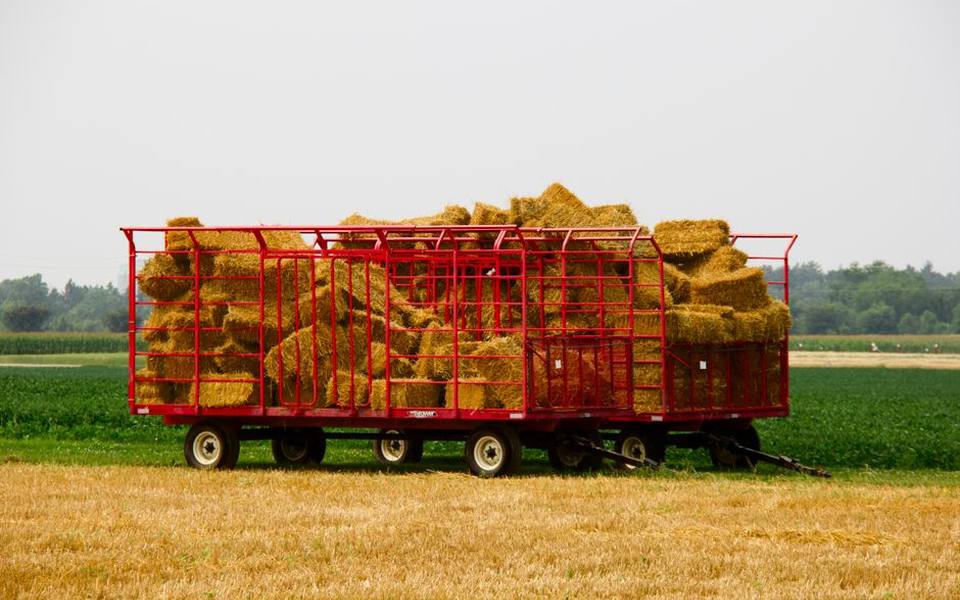
Admission models vary substantially across properties. Some operations charge a general grounds fee that includes unlimited maze access, wagon tours, and animal barns, while produce, specialty food, and carnival rides are purchased separately. Other farms allow free entry to farm markets and patch areas, charging exclusively for specific activities like corn labyrinths or hayrides. Checking the farm's ticketing rules online beforehand prevents surprise out-of-pocket costs.
Observing basic rural etiquette helps working operations preserve their grounds and protect guest safety. Stay on marked pathways rather than cutting through corn barriers or stepping across delicate squash vines. If you bring a family pet, verify whether the venue welcomes domestic animals, keep dogs leashed at all times, and carry your own waste bags, as working fields must adhere to strict agricultural food-safety guidelines.
Regional Agritourism Traditions Across the Country
Autumn farm celebrations take on distinctly regional characteristics across the United States, shaped by local topography, heritage crops, and prevailing weather patterns. Travelers exploring historic orchards among the 281 listings across U-pick farms in New York frequently find fall festivals centered around heirloom apple tastings, fresh cider pressing, and rolling hillside pumpkin patches set against vivid maple foliage.
In the Upper Midwest, deep agricultural traditions define harvest season. Operations featured among the 140 listings across U-pick farms in Wisconsin frequently celebrate with sprawling pumpkin launch contests, massive multi-acre corn labyrinths cut through grain belts, and freshly fried apple cider donuts paired with artisan farmstead cheeses. These Midwest festivals serve as community cornerstones, drawing visitors from major metropolitan areas out into working rural landscapes.
Whether you are planning a day trip close to home or a weekend road trip, exploring independent regional directories makes coordinating your route straightforward. Browsing state-level directories like UPickFarmAtlas allows you to verify seasonal opening dates, check on-site amenities, and confirm harvest availability before backing your car out of the driveway.
Published 2026-09-21 · reviewed with each rebuild, last September 2026.
Find u-pick farms near you
The directory lists 3,339 u-pick farms by state and city — pick your state or use the “Near me” button in the header.
More guides
-
 Buying
When Is Strawberry Season? Peak Months and U-Pick Picking Guide
-
 Buying
Pumpkin Patch Visitor Guide: Opening Dates, Pricing, and Selection Tips
-
 Buying
How to Pick Ripe Produce: Melons, Roots, Citrus, and Greens
-
 Storage
How to Peel and Preserve Fresh Peaches: Blanching, Freezing, and Variety Tips
-
 Buying
Best Apples for Baking Pies and Cakes: Crispness and Flavor Guide
-
 Buying
What Is Raw Cow Milk? Benefits, Safety Rules, and Sourcing
-
 Buying
Apple Picking Guide: Bushel Measurements, Costs, Storing, and Washing
-
 Money
MoneyBlackberry Farm Pricing Guide: Costs, Accommodations, and Seasonal Farmstead Skills
-
 Buying
A Guide to Shopping Local Farmers Markets, Farm Stands, and CSA Boxes
-
 Buying
Apple Orchard and Cider Mill Guide: U-Pick Apples, Cider, and Fall Treats
-
 Buying
U-Pick Flower Fields: Guide to Tulips, Lavender, Sunflowers, and Dahlias
-
 Buying
Agritourism Experiences: Goat Yoga, Farm Stays, and Rustic Barn Venues
-
 Owning
Seasonal Guide to U-Pick Berries and Fruit Orchards: Cherries, Berries, and Peaches
-
 Buying
Fall Agritourism Guide: Pumpkin Patches, Corn Mazes, and Harvest Festivals
-
 Owning
On-Farm Floral Workshops and Flower Arrangement Classes Guide
-
 Owning
A Complete Guide to U-Pick Fruit Orchards: Berries, Stone Fruit, Citrus, and Vines
-
 Buying
Honey Farm Visits, Local Apiaries, and Raw Honey Buying Guide
-
 Owning
Comprehensive Guide to Fresh Apples, Cider Pressing, and Canning Recipes
-
 Owning
Livestock Feeds and Feeding Equipment Selection Guide
-
 Owning
Fruit Picking Guide: U-Pick Orchards and Harvest Tools
-
 Buying
Flower Farm Guide: U-Pick Fields, Fresh Bouquets, and Workshops