Understanding the Traditional Autumn Farm Patch
A pumpkin patch is an agricultural field where pumpkins are cultivated and opened to the public for seasonal picking, recreation, and family harvest traditions. While commercial growers harvest uniformly for supermarkets using heavy machinery, pick-your-own operations invite visitors directly into the vine rows to select their own squash straight from the dirt. In many agricultural regions across the United States, these destinations have evolved from humble roadside stands into full-scale rural experiences that celebrate the transition into late autumn.
Over recent decades, growers have paired traditional crop harvesting with agritourism activities to create day-long farm outings. A single property might feature wagon rides, cider presses, petting barns, and elaborate farm destinations with on-site corn mazes alongside standard production fields. For many urban and suburban families, heading out to a local grower represents their primary annual interaction with working farmland, offering a tangible connection to crop cycles, soil conditions, and practical food production.
Understanding how these farms operate helps set realistic expectations before loading into the car. Working fields can be dusty, muddy, and rugged depending on recent rainfall, requiring sturdy footwear and practical clothing rather than delicate street shoes. Knowing whether a grower maintains genuine on-the-vine harvesting or simply arranges pre-harvested squash across a landscaped lawn will also dictate what kind of afternoon you can look forward to having.
When Farm Gates Open for the Autumn Season
In most agricultural districts across the country, growers officially open their gates during the third or fourth weekend of September. This timing coincides with the natural maturation of winter squash varieties, which require roughly one hundred days of warm weather to develop thick skins, deep pigmentation, and woody handles. Farms located in northern growing belts often open slightly earlier to accommodate shorter growing seasons, while southern operations may wait until cooler October mornings arrive.
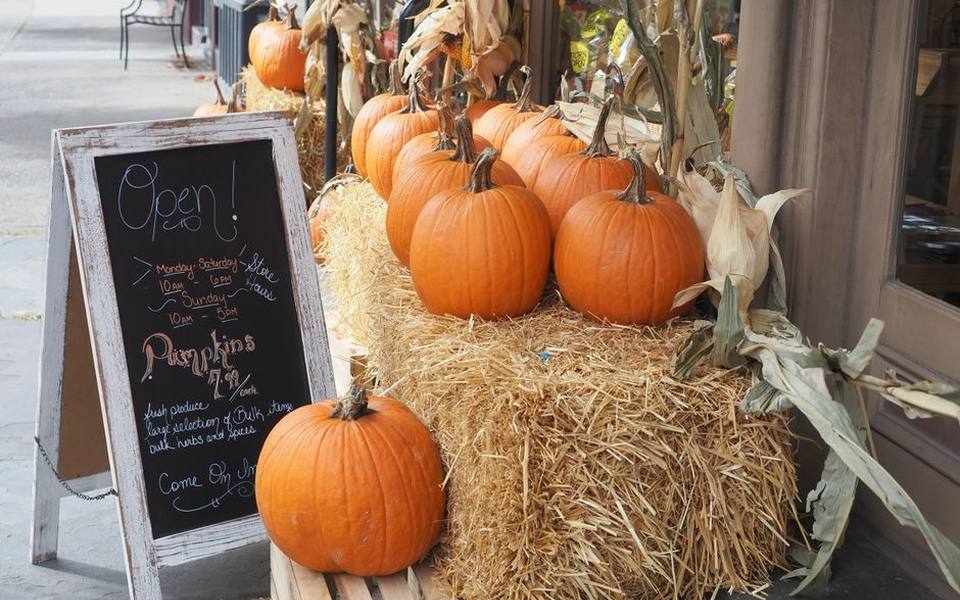
The overall harvest window spans roughly six to seven weeks, peaking during the first two weekends of October when regional varieties reach their ideal color and skin firmness. Exploring listings across diverse regions such as New York reveals that operational calendars depend heavily on localized weather events, early frosts, and soil moisture levels. Checking current operating hours before setting out prevents arriving at locked entrance gates on early autumn mornings.
Early season visits typically offer lush fields, unpicked vines, and smaller weekend crowds, making late September an appealing choice for photographers and quiet afternoon strolls. However, families seeking cool crisp weather, fully realized corn labyrinths, and robust farm kitchens often prefer visiting around the midpoint of October. Balancing seasonal atmosphere with fruit availability remains the central factor when picking the right weekend for your trip.
Determining the Ideal Harvesting Window
Knowing the right moment to harvest from the vine ensures your fruit remains sound and decorative through late autumn celebrations. A healthy specimen is ready for clipping when the rind takes on a solid, uniform color across its entire surface and the exterior skin resists penetration from a thumbnail. Furthermore, the stem attaching the fruit to the runner should turn woody, dry, and distinctly ribbed rather than fleshy and bright green.
If you plan to display an intact squash on a covered porch, harvesting in late September or early October presents few durability issues, provided the rind remains unpunctured. Whole, cured winter squash naturally resist decay for weeks or even months in temperate ambient conditions. In contrast, carving into flesh immediately triggers bacterial decomposition, limiting the visual lifespan of a jack-o'-lantern to approximately five to seven days under moderate fall temperatures.
To maximize durability, consider timing your field outing based on your ultimate intended use. Those crafting intricate decorative displays with intact rinds can happily head out to local pick-your-own growers in early October without worry. Anyone planning detailed jack-o'-lantern carvings should delay cutting into flesh until just a few days before Halloween night, keeping uncarved specimens sheltered in cool, dry areas until then.
Late Season Visits and November Field Availability
A common point of confusion among autumn visitors is whether fields remain open once November begins. For the vast majority of commercial agritourism venues, operations conclude abruptly at sunset on October 31st. Staff members immediately shift toward clearing remaining field debris, planting winter cover crops, or transitioning barn spaces toward winter retail and holiday wreath sales.
However, a small number of traditional working farms maintain modified hours through the first or second weekend of November. These extended operations cater to home cooks gathering culinary squash for Thanksgiving meals, animal owners seeking discounted feed, and families who prefer peaceful, crowd-free field walks. Operations in milder climates, including select agricultural regions in California, sometimes continue offering baking varieties and heirloom table squashes well into the holiday season.
Visiting a farm during the post-October window offers a starkly different atmosphere than peak autumn festival weekends. Entertainment features like hayrides and food concessions are generally closed, but prices on surviving squash are often reduced significantly. If you intend to take an early November stroll through rural rows, always contact the property directly or verify digital schedules, as unannounced seasonal closures are routine once frost settles.
Understanding Pricing Structures and Field Admission
Farm pricing models generally fall into two broad formats: pay-by-the-pound harvesting or single flat-rate pricing based on physical dimensions. Scale-based pricing typically ranges from roughly fifty to ninety cents per pound depending on regional economic factors and operational overhead. Under dimension-based systems, growers categorize stock into sizes like small, medium, or large, pricing each tier individually regardless of slight weight variances.
In addition to crop purchases, many larger entertainment farms charge general admission tickets covering access to field grounds, wagon shuttles, playground structures, and specialized attractions. These general gate tickets commonly run between eight and twenty-five dollars per attendee, sometimes excluding the cost of the actual fruit you bring home. Smaller, purely agricultural operations often waive gate fees entirely, charging solely for the produce gathered at checkout scales.
Incidental expenses can also alter your final excursion budget if you intend to sample hot cider, artisanal doughnuts, or baked goods from on-site country stores. Parking fees are rare in rural farm districts but occasionally appear at high-volume suburban destinations during peak October weekends. Reviewing admission details on independent resources across all states prevents unexpected financial surprises when you arrive at farm ticketing booths.
Selecting the Best Varieties for Intricate Carving
Carving a clean, expressive jack-o'-lantern requires choosing an appropriate variety bred specifically for thin walls and workable flesh. Classic field selections like Howden, Connecticut Field, and Autumn Gold have served carvers for generations because they offer consistent oval profiles, sturdy rind strength, and hollow centers. These decorative cultivars prioritize hollow cavity volume and manageable rind density rather than sugary, dense meat, making them simple to cut using basic household hand tools.

When inspecting candidate fruit on the vine or ground, examine the base to confirm it sits level on flat surfaces without tipping awkwardly. Tap gently against the outer wall; a hollow, resonant sound indicates an open seed cavity that will be straightforward to clean out using a metal spoon. Avoid specimens displaying sunken dark spots, weeping moisture near the blossom end, or soft skin patches, as these signals point toward interior decay that will rapidly collapse your carved artwork.
Take a close look at the handle as well, verifying that the stem remains securely anchored, thick, and dark green or woody brown. While handles should never serve as lifting mechanisms, an intact stem preserves the vascular seal of the rind, preventing rapid dehydration and keeping the cap properly fitted after carving. Inspecting the shell under natural sunlight helps spot hairline cracks or pest punctures that could accelerate mold growth once brought indoors.
Exploring Cooking Types and Gigantic Garden Curiosities
While standard field types dominate fall decor, culinary cooks and competitive growers look for vastly different genetic profiles in squash fields. Culinary cultivars, commonly called sugar pies, baby pams, or cheese squashes, feature dense, stringless flesh with high natural sugar concentrations and minimal moisture. Attempting to bake a pie or savory soup using an enormous field carving type usually yields bland, watery puree with stringy fiber textures that disappoint the palate.
At the extreme end of the horticultural spectrum sit massive competitive squash specimens descended from Atlantic Giant lineages. Visitors touring autumn agricultural fairs or specialized growers often wonder how heavy these immense specimens can actually become during standard growing cycles. Typical exhibition giants displayed at harvest festivals easily register between four hundred and eight hundred pounds, while dedicated competitive growers routinely produce specimens surpassing two thousand pounds under controlled greenhouse hydration.
Growing or even moving such enormous fruit requires specialized equipment, including nylon cargo nets, tractor forks, and flatbed transport trailers. While impractical for backyard decorating, encountering an enormous competition squash at a farm display remains an entertaining highlight for visitors of all ages. Many regional agricultural properties in states like Pennsylvania showcase these massive botanical achievements alongside standard decorative patches throughout October.
Field Manners, Cutting Techniques, and Transport
Harvesting produce directly from a living vine requires basic mindfulness to preserve both the fruit and the ongoing health of the field. When severing a specimen from its runner vine, use sharp garden shears or a dedicated pocket utility knife, leaving roughly three to five inches of woody stem attached. Tearing or snapping the vine with bare hands often rips the delicate stem off entirely, creating a raw opening that allows fungal spores to enter the interior cavity.
Always transport your harvested selections by sliding both hands under the base and cradling the body against your chest rather than carrying it by its stem. The woody handle lacks the structural tensile strength needed to support heavy fruit, and snaps under tension easily, leaving an unsightly flat scar that spoils jack-o'-lantern silhouettes. Most operations supply pull wagons or wheelbarrows at field boundaries, which make moving heavy harvests back to checkout registers manageable.
Staying confined to designated footpaths prevents damaging fragile runner vines that continue nourishing younger fruit for later visitors. Children should be reminded never to kick, roll, or drop unwanted produce across the fields, as bruised squash rot within days and create hazards for farm equipment. Practicing polite field etiquette ensures growers can maintain productive pick-your-own operations for surrounding communities year after year.
How to Clean and Roast Fresh Seeds
Harvesting autumn squash offers a tasty culinary secondary yield in the form of whole, nutrient-dense seeds tucked within the inner stringy pulp. Once you cut the top cap off your carving specimen, scoop out the interior fibers using an ice cream spade or heavy metal spoon. Place the stringy mass into a large bowl filled with cool water; the buoyant seeds naturally float to the top, making separating them from sticky clinging pulp straightforward.
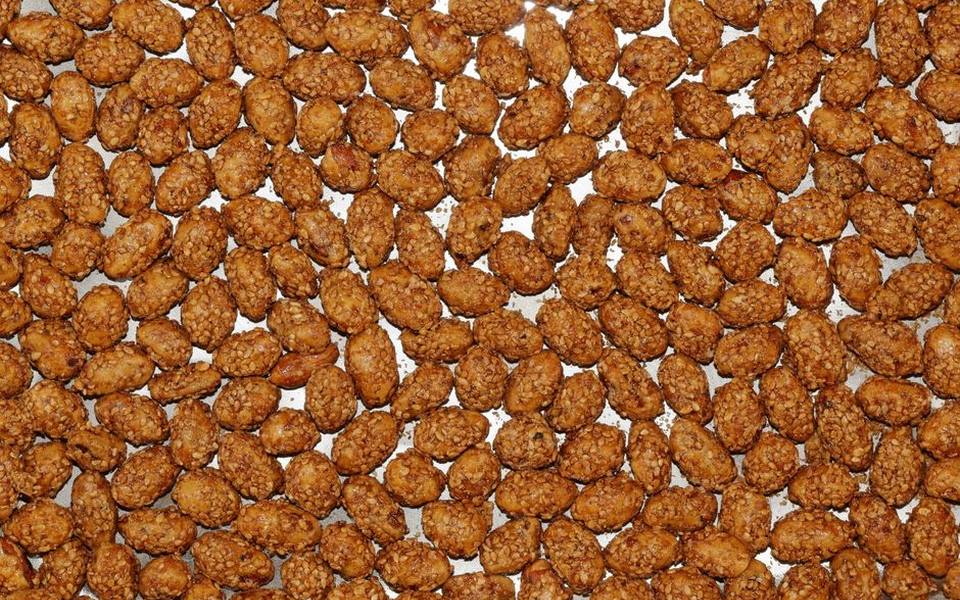
After detaching the seeds from the stringy matrix, rinse them thoroughly inside a colander and spread them evenly across clean kitchen towels to dry completely. Removing surface moisture before cooking is an essential culinary step, as wet seeds steam rather than roast, resulting in a rubbery chew instead of a crisp, pleasant snap. Some home cooks prefer simmering raw seeds in salted boiling water for ten minutes before drying to season the inner kernel evenly.
Toss dry seeds in a light coating of olive oil or melted butter, seasoning with coarse salt, black pepper, smoked paprika, or garlic powder according to your taste. Spread them across a rimmed baking sheet in a single layer, ensuring individual kernels do not overlap excessively. Roast in an oven preheated to roughly three hundred degrees Fahrenheit for twenty-five to thirty-five minutes, shaking the tray occasionally until skins turn pale golden brown and brittle.
Preserving Your Harvested Porch Displays
After returning home with your farm treasures, simple preventative maintenance helps prolong exterior vibrancy and delay structural decay. Wipe down exterior rinds with a mild diluted bleach or vinegar solution to neutralize ambient fungal spores and wild bacteria gathered from farm soil. Allowing whole squash to dry completely before staging them on wooden porches, hay bales, or brick doorsteps prevents trapped moisture from initiating soft rot underneath.
Elevating decorative displays slightly off damp bare ground or concrete patios allows ambient air to circulate continuously around bottom surfaces. Uncarved squash positioned in cool, shaded spaces sheltered from direct afternoon sun and heavy rainfall can easily endure four to eight weeks without visible deterioration. If regional temperatures drop below freezing, bring decorative porch displays indoors temporarily, as severe frosts freeze water molecules within cell walls, turning rinds into mush upon thawing.
For carved jack-o'-lanterns, coat freshly cut interior edges with a thin smear of petroleum jelly or vegetable oil to slow evaporation and curling. Mist the carved openings daily with clean water to maintain cell hydration during warm dry afternoons. Taking these basic stewardship steps ensures the farm harvests you carefully gathered remain attractive, festive centerpieces throughout the entire autumn holiday season.
Published 2026-09-20 · reviewed with each rebuild, last September 2026.
Find u-pick farms near you
The directory lists 3,339 u-pick farms by state and city — pick your state or use the “Near me” button in the header.
More guides
-
 Buying
When Is Strawberry Season? Peak Months and U-Pick Picking Guide
-
 Buying
How to Pick Ripe Produce: Melons, Roots, Citrus, and Greens
-
 Storage
How to Peel and Preserve Fresh Peaches: Blanching, Freezing, and Variety Tips
-
 Buying
Best Apples for Baking Pies and Cakes: Crispness and Flavor Guide
-
 Buying
What Is Raw Cow Milk? Benefits, Safety Rules, and Sourcing
-
 Buying
Apple Picking Guide: Bushel Measurements, Costs, Storing, and Washing
-
 Money
MoneyBlackberry Farm Pricing Guide: Costs, Accommodations, and Seasonal Farmstead Skills
-
 Buying
A Guide to Shopping Local Farmers Markets, Farm Stands, and CSA Boxes
-
 Buying
Apple Orchard and Cider Mill Guide: U-Pick Apples, Cider, and Fall Treats
-
 Buying
Fall Agritourism Guide: Corn Mazes, Pumpkin Patches, and Autumn Festivals
-
 Buying
U-Pick Flower Fields: Guide to Tulips, Lavender, Sunflowers, and Dahlias
-
 Buying
Agritourism Experiences: Goat Yoga, Farm Stays, and Rustic Barn Venues
-
 Owning
Seasonal Guide to U-Pick Berries and Fruit Orchards: Cherries, Berries, and Peaches
-
 Buying
Fall Agritourism Guide: Pumpkin Patches, Corn Mazes, and Harvest Festivals
-
 Owning
On-Farm Floral Workshops and Flower Arrangement Classes Guide
-
 Owning
A Complete Guide to U-Pick Fruit Orchards: Berries, Stone Fruit, Citrus, and Vines
-
 Buying
Honey Farm Visits, Local Apiaries, and Raw Honey Buying Guide
-
 Owning
Comprehensive Guide to Fresh Apples, Cider Pressing, and Canning Recipes
-
 Owning
Livestock Feeds and Feeding Equipment Selection Guide
-
 Owning
Fruit Picking Guide: U-Pick Orchards and Harvest Tools
-
 Buying
Flower Farm Guide: U-Pick Fields, Fresh Bouquets, and Workshops