Selecting the Right Apples for Whole Baked Desserts
Baking whole apples requires varieties that hold their structural shape under steady oven heat rather than collapsing into a pool of purée. When you core an apple and stuff it with brown sugar, oats, and butter, the fruit skin acts as a natural baking vessel. Varieties such as Rome Beauty, Jonagold, and Honeycrisp typically perform best because their cell walls tolerate heat without splitting open prematurely. A good baking apple offers a balanced flesh density that softens into a custardy tenderness while maintaining its outward posture.
Texture is only half the equation when choosing good apples for baked apples; sugar-to-acid balance dictates the final flavor profile. Tart-leaning cultivars like Braeburn or Winesap cut through the sweetness of maple syrup or cinnamon fillings, preventing the dessert from tasting flat. If you pick fruit from u-pick apple orchards early in the autumn, keep in mind that starch levels are higher, which helps the fruit retain firmness during extended roasting.
Preparing the fruit properly ensures even cooking from skin to core. Score the exterior skin horizontally around the equator with a paring knife before placing the fruit into a baking dish. This small cut relieves internal steam pressure and prevents the fruit from bursting out of its jacket. Adding a splash of water, fresh cider, or apple juice to the bottom of the roasting vessel creates gentle steam that prevents the underside from scorching before the core is tender.
The Best Varieties for Apple Crisp and Skillet Crumbles
A proper apple crisp demands a combination of firm fruit slices that cook to a fork-tender consistency without turning into mush beneath a heavy oat streusel. Relying on a single variety often leads to an uneven dessert that is either unpleasantly dry or soupy. Using a mix of sweet and sharp cultivars creates the ideal texture and aroma. Excellent varieties for apple crisp include Northern Spy, Granny Smith, and Cortland, all of which maintain distinct slices throughout forty-five minutes of steady oven heat.
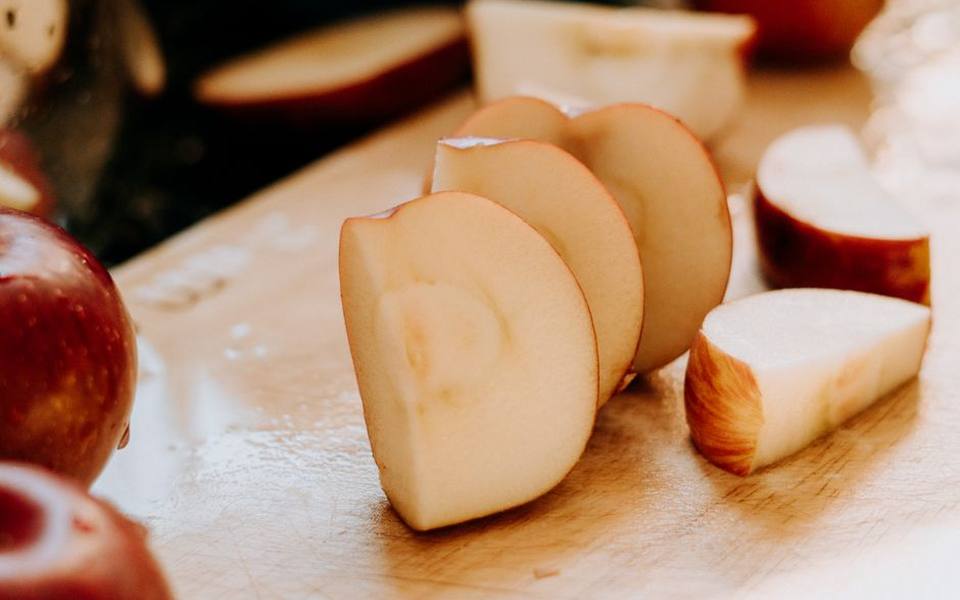
Granny Smith brings sharp acidity and dependable structure, while softer, aromatic choices such as Golden Delicious or McIntosh contribute natural pectin and syrup to coat the oat topping. When peeling and slicing your harvest, aim for consistent quarter-inch slices so that every piece cooks at roughly the same rate. Thinner cuts tend to dissolve into compote, while overly thick wedges remain crunchy and underdone while the crumb topping browns.
Moisture control separates an ordinary crumble from an exceptional one. Juicy early-season apples release substantial water as they bake, which can turn your bottom crust soggy if left unmanaged. Tossing the sliced fruit with a tablespoon of cornstarch or all-purpose flour helps bind the emerging juices into a clear, bubbling glaze. Adding fresh lemon zest can further brighten the filling if your orchard fruit leans exceptionally sweet.
What Distinguishes Real Farm-Pressed Cider
Real pressed apple cider is raw, unfiltered liquid extracted mechanically from whole crushed fruit, retaining the cloudy suspended solids, natural pectin, and dissolved tannins that commercial clear apple juice strips away. Commercial juice is typically clarified, filtered through fine membranes, and pasteurized into an amber, shelf-stable drink. In contrast, fresh pressed cider tastes distinctively complex because it reflects the exact blend of sweet, tart, and astringent fruit gathered on the day of pressing.
The pressing process begins with thorough washing, followed by feeding whole apples into a mechanical grinder or scratter that pulps the fruit into a coarse mash called pomace. This pomace is transferred onto heavy nylon or cloth racks stacked inside a hydraulic or rack-and-cloth press. As immense pressure is applied, cloudy nectar drains away from the fibrous skins and seeds, flowing into clean holding tanks without the addition of water, sugar, or synthetic preservatives.
Because freshly pressed apple cider retains its natural enzymes and wild yeasts, it requires continuous refrigeration immediately after extraction. In cold storage, freshly pressed cider typically holds its crisp flavor for up to two weeks before wild fermentation gradually begins. Many orchard visitors freeze several gallons in plastic jugs during peak harvest to enjoy the unadulterated flavor months after the pressing season ends.
Mill Traditions and Regional Heritage Ciders
Across historic agricultural valleys, generational mills have preserved distinct methods of grinding and squeezing local fruit blends. For generations, destinations like the historic Lattin's farm operations in the Pacific Northwest have set the standard for rustic cider mills, where visitors gather to watch vintage press equipment turn bins of mixed orchard apples into rich, cloudy jugs. Exploring U-pick farms in Washington often provides direct access to these heritage operations where old-growth trees provide exceptional balance.
What makes traditional mill cider distinctive is the reliance on complex heritage orchard blends rather than single-variety juice. Mills typically balance sweet base apples like Gala and Fuji with sharp russeted varieties, old-school crabapples, and acidic heritage types that would be unpalatable for hand eating. This blend creates an earthy backbone and pleasant astringency that cannot be duplicated with modern eating apples alone.
When purchasing cider from independent mills, examine the sediment resting on the bottom of the container. That thick layer of micro-solids is a hallmark of genuine mechanical pressing rather than chemical rehydration. Shaking the jug gently before pouring distributes those flavor-dense solids throughout the glass, providing the rich mouthfeel that defines traditional autumn milling.
Understanding Raw and Unpasteurized Apple Cider
Unpasteurized apple cider represents the most authentic expression of orchard pressing, but it requires an understanding of microbiological safety. Because unpasteurized cider receives no thermal heat treatment or ultraviolet radiation, any microorganisms present on the fruit skin or harvesting equipment remain alive in the liquid. While healthy adults frequently seek out raw cider for its unaltered flavor and active natural enzymes, certain safety standards apply to commercial distribution.
Federal regulations in the United States generally require cider producers who sell across wholesale channels to apply a certified 5-log pathogen reduction process, which eliminates harmful bacteria like Salmonella and pathogenic E. coli. However, many family farms selling directly to consumers at their own farmstands are permitted under state exemptions to offer raw, unpasteurized cider, provided the container carries a clear warning label. This warning informs consumers that the beverage has not been processed to destroy harmful microorganisms.
Individuals with compromised immune systems, pregnant women, young children, and older adults should generally consume cider that has undergone heat pasteurization or UV treatment. If you purchase unpasteurized cider and prefer an extra margin of safety at home, bringing the cider to a gentle simmer at 160 degrees Fahrenheit for a brief period renders it pathogen-free without drastically altering its fresh, rich orchard character.
Farmstand Favorites: Turning Fresh Cider into Slushies
One of the most popular attractions at modern farm markets is the apple cider slushie, a frozen confection that transforms fresh pressed cider into a micro-crystalline beverage. Unlike commercial convenience store drinks that rely on artificial flavor syrups and dyes, genuine orchard slushies use pure, unfiltered cider as their sole base. The natural balance of dissolved sugars and organic malic acid allows the liquid to freeze into a soft, spoonable slurry rather than a solid block of ice.
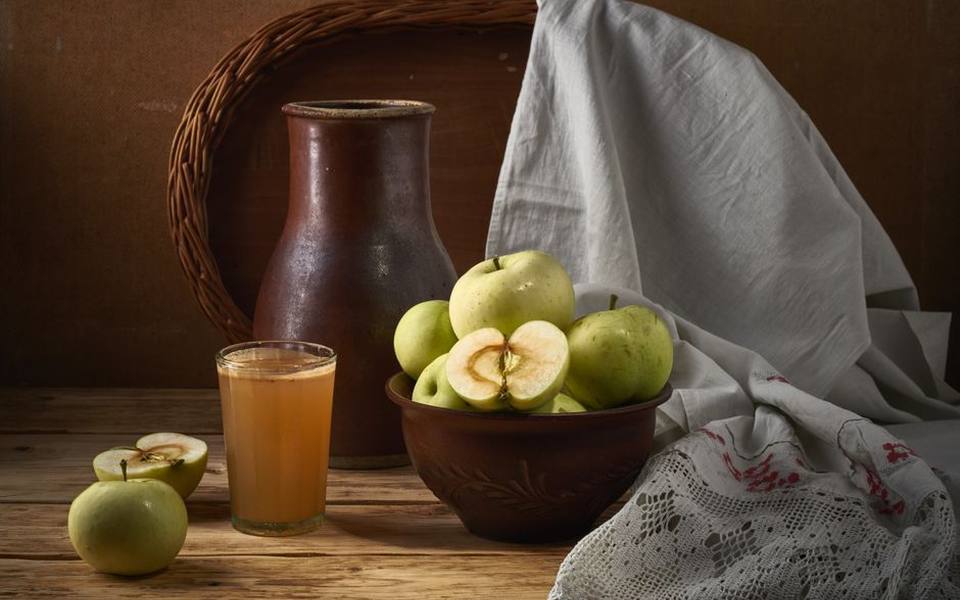
Recreating this seasonal treat at home is straightforward if you have an electric ice cream maker or a shallow metal freezing pan. The dissolved fruit sugars naturally lower the freezing point of the cider, creating delicate crystal sheets when churned slowly under freezing temperatures. If freezing in a pan, stirring the liquid with a fork every thirty minutes breaks up ice needles and creates a flaky, refreshing granita that pairs exceptionally well with warm spiced donuts.
When planning a weekend trip to pick fruit, visiting local pick-your-own farms often rewards you with operational cider bars where slush machines churn all day. The natural sweetness becomes slightly more concentrated as water molecules freeze first, leaving a deeply aromatic, cold treat that highlights the richness of the late-autumn harvest.
Slow-Cooked Homemade Apple Butter from Scratch
Despite its traditional name, homemade apple butter contains no dairy fat whatsoever; it is simply a highly concentrated fruit spread created by cooking down apple purée with sweet cider and warm spices until deep brown. As the mixture simmers over low heat for many hours, natural fruit sugars undergo slow caramelization while the natural liquid evaporates. The result is a glossy, spreadable preserve with intense autumn flavor that holds its shape cleanly on a knife.
To make apple butter, start by cooking whole quartered apples—skins, cores, and all—with a splash of fresh cider until they soften into a pulpy mash. Passing this cooked pulp through a food mill or fine sieve removes the seeds and tough peels while extracting maximum pectin, which sits concentrated just below the skin. The smooth sauce is then transferred to a heavy stockpot or slow cooker along with cinnamon, ground cloves, allspice, and a modest amount of dark brown sugar.
Slow simmering is crucial to developing depth without scorching the dense spread. In a slow cooker with the lid slightly cracked, apple butter typically requires eight to twelve hours on low heat to reduce by half. You will know the butter has reached proper density when a generous spoonful mounded onto a cold ceramic plate holds its mound without separating a wet, watery ring around its edges.
Safe Water-Bath Canning for Spiced Apple Butter
Preserving your apple butter through water-bath canning ensures that your orchard efforts remain shelf-stable for months in a cool pantry. Because apples possess a naturally low pH—typically between 3.3 and 4.0 depending on the variety—they fall well within the safe acidity threshold required for boiling water processing. However, following a tested recipe for canning apple butter ensures that the density of the purée allows heat to penetrate all the way to the center of the jar.
Ladle hot apple butter directly into clean, hot canning jars, leaving precisely one-quarter inch of headspace between the surface of the fruit and the rim of the jar. Trapped air bubbles should be removed using a non-metallic utensil, as pockets of air can alter internal headspace during processing. Wipe the jar rims thoroughly with a damp paper towel before applying two-piece metal canning lids, tightening the screw bands just until fingertip-tight.
Submerge the filled jars completely in a boiling water canner, ensuring at least one inch of water covers the jar tops. Pint jars and half-pint jars are typically processed for ten minutes at rolling boil, though processing times must be adjusted upward if you live at elevations above one thousand feet. Once processed, lift the jars straight out without tilting and let them sit undisturbed on a towel for twenty-four hours to seal.
Blending Harvest Fruit for Balanced Cider and Butter
Producing exceptional cider or thick fruit butter relies heavily on combining diverse apple categories: sweets, sharps, and bitters. Single-variety batches often fall short, tasting either overwhelmingly sugary or unpleasantly tart. Commercial producers and home cider pressers often aim for a ratio of roughly fifty percent sweet varieties, thirty percent sharp or acidic varieties, and twenty percent aromatic or tannic fruit.
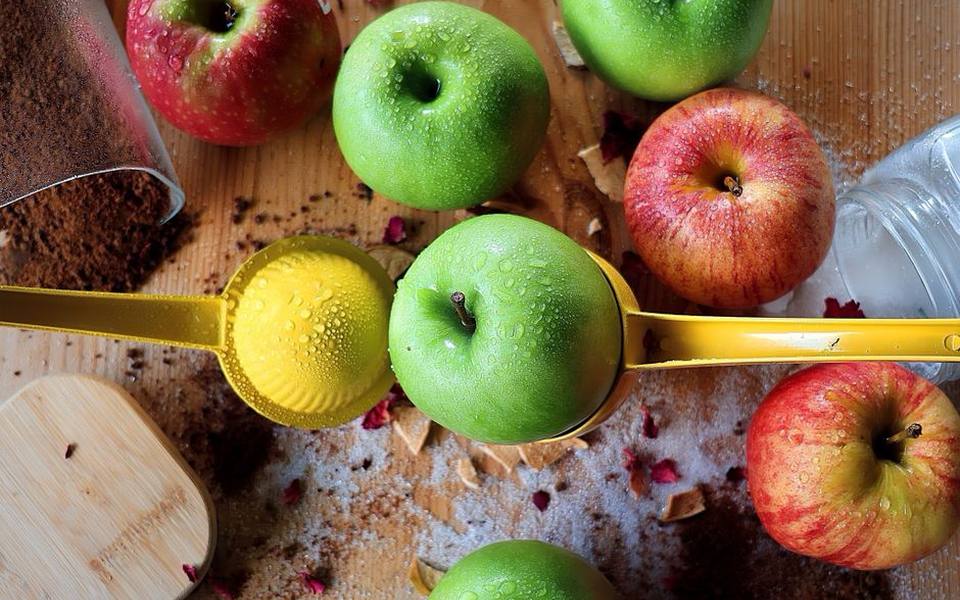
For apple butter, softer heritage varieties like McIntosh, Jonathan, and Wealthy cook down rapidly and provide a naturally silky consistency. When pressing fresh juice, dense varieties like Winesap, Baldwin, and Russet deliver the rich body and complex acidity that make a glass memorable. Exploring historic apple orchards in New York can expose you to uncommon heirloom varieties specifically cultivated for cider blending rather than commercial grocery shipping.
Windfall apples and cosmetically flawed fruit—frequently called orchard utility or cider grade—are ideal for both pressing and butter production. As long as the fruit is firm, free of insect rot, and harvested from clean ground, small surface blemishes make no difference once the apples are ground into pomace or run through a food mill. Utilizing these affordable utility bushels makes home preserving far more economical.
Storing, Freezing, and Preserving Your Orchard Harvest
Managing multiple bushels of fresh apples requires careful temperature and humidity management to prevent premature softening. Whole eating and baking apples should be kept in cold, humid conditions, ideally between thirty-four and thirty-eight degrees Fahrenheit with elevated humidity. A spare refrigerator, an unheated root cellar, or an insulated garage typically provides the right environment to keep firm storage varieties crisp well into winter.
Always separate damaged or punctured fruit from your storage containers, as a single decomposing apple releases ethylene gas that rapidly accelerates the ripening and breakdown of surrounding fruit. For long-term cider preservation, freezing represents the simplest method for retaining unpasteurized flavor. When freezing fresh cider in plastic jugs, always pour out roughly ten percent of the liquid first to allow room for the water content to expand safely without splitting the container.
Properly sealed jars of water-bath canned apple butter should be stored in a cool, dark cupboard without their metal screw rings attached. Storing jars without rings prevents moisture from rusting the metal bands and ensures that any unexpected seal failure is noticed immediately. When stored correctly away from direct sunlight, canned apple butter maintains peak aroma and flavor for at least twelve months.
Published 2026-09-25 · reviewed with each rebuild, last September 2026.
Find u-pick farms near you
The directory lists 3,339 u-pick farms by state and city — pick your state or use the “Near me” button in the header.
More guides
-
 Buying
When Is Strawberry Season? Peak Months and U-Pick Picking Guide
-
 Buying
Pumpkin Patch Visitor Guide: Opening Dates, Pricing, and Selection Tips
-
 Buying
How to Pick Ripe Produce: Melons, Roots, Citrus, and Greens
-
 Storage
How to Peel and Preserve Fresh Peaches: Blanching, Freezing, and Variety Tips
-
 Buying
Best Apples for Baking Pies and Cakes: Crispness and Flavor Guide
-
 Buying
What Is Raw Cow Milk? Benefits, Safety Rules, and Sourcing
-
 Buying
Apple Picking Guide: Bushel Measurements, Costs, Storing, and Washing
-
 Money
MoneyBlackberry Farm Pricing Guide: Costs, Accommodations, and Seasonal Farmstead Skills
-
 Buying
A Guide to Shopping Local Farmers Markets, Farm Stands, and CSA Boxes
-
 Buying
Apple Orchard and Cider Mill Guide: U-Pick Apples, Cider, and Fall Treats
-
 Buying
Fall Agritourism Guide: Corn Mazes, Pumpkin Patches, and Autumn Festivals
-
 Buying
U-Pick Flower Fields: Guide to Tulips, Lavender, Sunflowers, and Dahlias
-
 Buying
Agritourism Experiences: Goat Yoga, Farm Stays, and Rustic Barn Venues
-
 Owning
Seasonal Guide to U-Pick Berries and Fruit Orchards: Cherries, Berries, and Peaches
-
 Buying
Fall Agritourism Guide: Pumpkin Patches, Corn Mazes, and Harvest Festivals
-
 Owning
On-Farm Floral Workshops and Flower Arrangement Classes Guide
-
 Owning
A Complete Guide to U-Pick Fruit Orchards: Berries, Stone Fruit, Citrus, and Vines
-
 Buying
Honey Farm Visits, Local Apiaries, and Raw Honey Buying Guide
-
 Owning
Livestock Feeds and Feeding Equipment Selection Guide
-
 Owning
Fruit Picking Guide: U-Pick Orchards and Harvest Tools
-
 Buying
Flower Farm Guide: U-Pick Fields, Fresh Bouquets, and Workshops