Why Learning Floral Design on a Working Farm Is Different
Attending an instructional floral session directly in the field provides an entirely different perspective than sitting in a downtown studio or retail shop. When you learn beside the rows where the stems actually grow, you observe firsthand how weather, cutting time, and stem maturity dictate the vase life of your finished centerpiece. Commercial florists rely on chilled wholesale shipments, but farm-based sessions teach you to build with blooms cut that morning, retaining their natural bends, fresh scent, and delicate textures.
Working directly with farm fresh flowers introduces you to botanical varieties that rarely survive long-distance transit. Fragile garden roses, heirloom sweet peas, heavy-headed dahlias, and delicate cosmos often droop or bruise in commercial cold chains, yet they thrive when cut and arranged within hours. This immediate access allows instructors to teach mechanics tailored specifically to tender stems, showing you how to support top-heavy blooms using natural branching rather than synthetic foam.
Beyond the botanical advantages, farm sessions connect participants directly with agricultural rhythms. As you walk the furrows to gather materials, growers explain why certain companion foliage strengthens the garden ecosystem and how seasonal shifts change your palette every few weeks. It turns a standard creative hobby into a practical lesson in sustainable horticulture and locally grown floristry.
Types of Floral Arrangement Workshops Available
Growers across the country structure their educational events to match different skill levels and creative goals. Introductory group events usually center on a classic handheld spiral bouquet or a relaxed mason jar centerpiece, making them accessible to beginners who want an enjoyable afternoon outdoors. These sessions emphasize basic stem cleaning, proportion, and color balance without overwhelming students with complex mechanics.
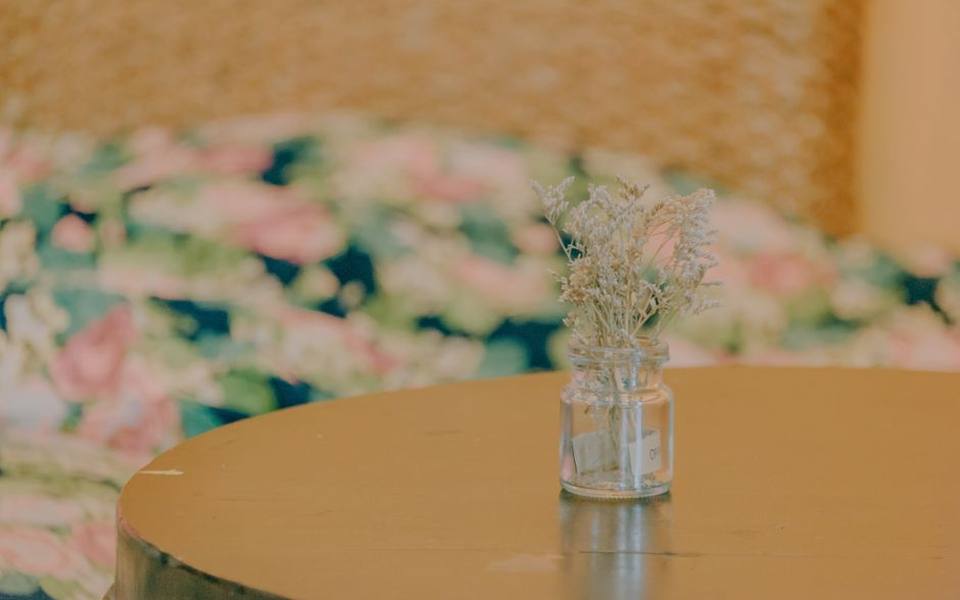
More comprehensive floral arrangement courses dig into architectural structures, foam-free tabletop installations, and wearable floral crafts such as floral crowns or pocket boutonnieres. Many growers also partner with certified instructors to offer specialized Japanese ikebana class formats, focusing on minimalism, negative space, stem curvature, and the balance between water, vessel, and blossom. Exploring diverse traditions helps students understand that arranging is as much about structural discipline as it is about color harmony.
For those considering serious event work or small-scale floristry side businesses, farms often hold intensive multi-day floral design courses. These advanced intensives explore bucket management, post-harvest conditioning, cooling logistics, and calculating stem counts for large gatherings. Whether you seek casual fun or professional foundations, matching the curriculum to your personal ambitions prevents frustration.
Understanding Class Formats and Skill Progression
When browsing farmyard flowers classes, you will find formats ranging from two-hour drop-in clinics to structured multi-week training series. Single-session workshops typically focus on one specific design, providing all tools and materials so you leave with a finished piece. These are ideal for testing your interest before investing in costly tools, specialized shears, or heavy ceramic urns.
If you desire technical development, look for structured floral arrangement training that covers progressive mechanics across several weekends. Early sessions generally teach basic vessel mechanics using chicken wire pillows and flower frogs, while later lessons introduce cascading branches, balance asymmetry, and complex color palettes. Progressive courses allow you to practice working with various stem textures, from woody shrubs to hollow ranunculus.
Private small-group flower arrangement lessons are another popular path for family milestones, bridal parties, or individuals seeking one-on-one critique. In these smaller formats, instructors can closely monitor your hand tension, cutting angles, and stem placement, ensuring you correct subtle habits before they become muscle memory.
Harvesting Mechanics and Tool Fundamentals
Before arranging a single stem, students must learn clean cutting mechanics and sanitary tool maintenance. Farms typically supply or recommend bypass shears or floral snips rather than household scissors, which crush vascular plant tissues and prevent water intake. Instructors will show you how to cut stems at clean angles just above foliage nodes to protect both the harvested bloom and the mother plant.
Hydration mechanics represent a foundational pillar of any proper floral arrangement course. You will practice stripping lower leaves that would otherwise decay beneath the waterline, introducing bacterial rot that clogs stems and cuts vase life in half. Instructors also demonstrate how water temperature influences bloom opening, using warm water to gently open tight buds or cold water to hold delicate petals.
Working with local farmflowers also requires understanding the physical anatomy of non-standard stems. You learn to handle crooked stems, multi-branched foliage, and delicate tendrils, turning natural quirks into structural focal points rather than trimming them away. Learning to celebrate these organic growth habits is what separates field-based arranging from conventional commercial floristry.
Regional Availability and Finding Local Classes
Instructional farm workshops take place in nearly every growing region of the country, tracking the natural planting calendars of local zones. Travelers and locals exploring Pick Your Own Farms and Orchards often discover that established fruit and vegetable growers have added dedicated cut-flower patches and covered barn classrooms to host seasonal gatherings.
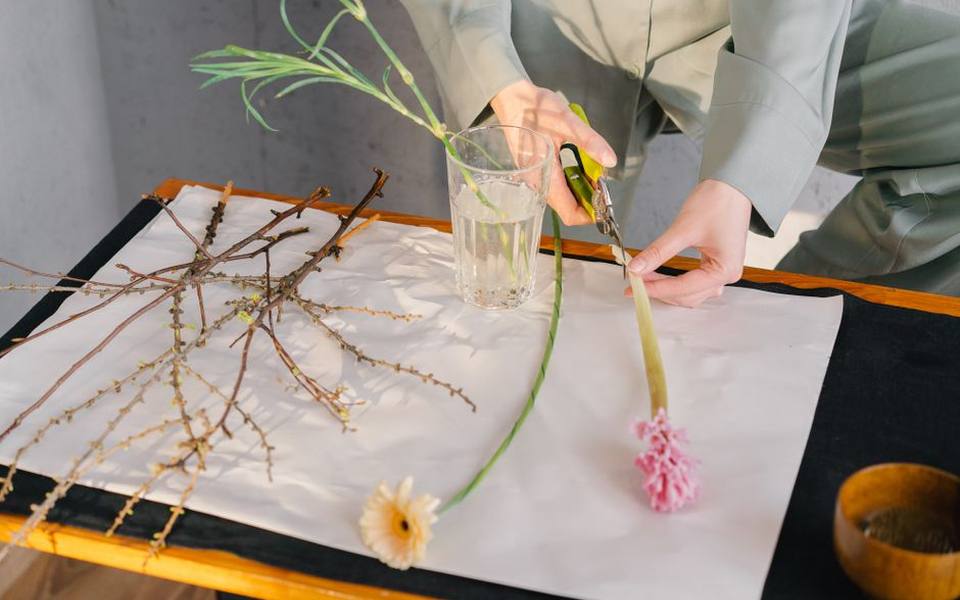
In northern and coastal climates, workshop schedules peak between late spring and early autumn. For instance, participants visiting U-Pick Farms in Washington frequently find classes centered around specialty bulbs, cool-season peonies, and lush late-summer dahlias. Meanwhile, growers on U-Pick Farms in New York often program late-season masterclasses combining dried florals with autumn foliage, pairing creative sessions with visits to Farm Destinations with On-Site Corn Mazes.
Southern and western microclimates enjoy extended workshop calendars spanning from early winter through late fall. In states with warmer growing zones, classes incorporate winter ranunculus, citrus branches, and heat-tolerant summer zinnias. Consulting regional grower directories helps you pin down when specific blooms hit peak harvest in your territory.
Essential Equipment and Foam-Free Mechanics
The modern floral community has largely moved away from single-use synthetic floral foam due to microplastic concerns and chemical additives. Top-tier floral design classes held on sustainable farms place significant emphasis on reusable mechanics. You will learn to construct sturdy foundations using coated floral netting (chicken wire), metal kenzans (pin frogs), and natural branch armature.
Chicken wire pillows, cut and folded to fit snugly inside your vessel, create a flexible grid that holds stems securely at varied angles without crushing them. This mechanical structure allows water to circulate freely, keeping stems fully hydrated and making it easy to refresh water daily. Instructors also teach waterproof taping techniques to secure these internal wire frameworks to container rims.
For minimalist arrangements and shallow vessels, metal pin frogs provide remarkable stability for heavy-stemmed specimens. Learning how to seat thick stems onto sharp brass pins requires proper technique to avoid splitting delicate stalks. Mastering these clean, reusable mechanics ensures your home floral practice remains environmentally conscious and physically durable.
Color Theory, Foliage, and Structural Design
A successful flower arrangement relies as much on greenery and negative space as it does on eye-catching focal blooms. Instructors teaching flower arrangement lessons emphasize building your "green base" first. Establishing an architectural outline with woody branches, scented herbs, and textured foliage dictates the ultimate height, width, and movement of your centerpiece before any costly flowers are placed.
Color theory in farm-based floral design courses generally departs from rigid primary color wheels in favor of tonal gradations found in nature. Students learn to bridge contrasting bright shades with muted transition tones, incorporating dusty foliage, seed pods, and trailing vines. This nuanced approach prevents arrangements from looking disjointed and helps disparate garden elements harmonize seamlessly.
Balance and proportion also receive careful attention during hands-on exercises. You will practice the standard floral guideline of keeping the arrangement roughly one and a half times the height or width of the container, depending on whether the design is upright or horizontal. Understanding visual weight ensures that dense, dark blooms anchor the center while airy, delicate sprigs dance along the perimeter.
Transporting and Preserving Your Fresh Arrangements
Leaving a farm workshop with a large, water-filled centerpiece in your vehicle can be nerve-wracking without proper preparation. Farm hosts typically recommend bringing a sturdy cardboard box, laundry basket, or plastic crate lined with towels to nestle your vessel firmly during transit. Keeping the container level and out of direct sunlight inside a climate-controlled vehicle prevents petal scorch and water spills on the drive home.
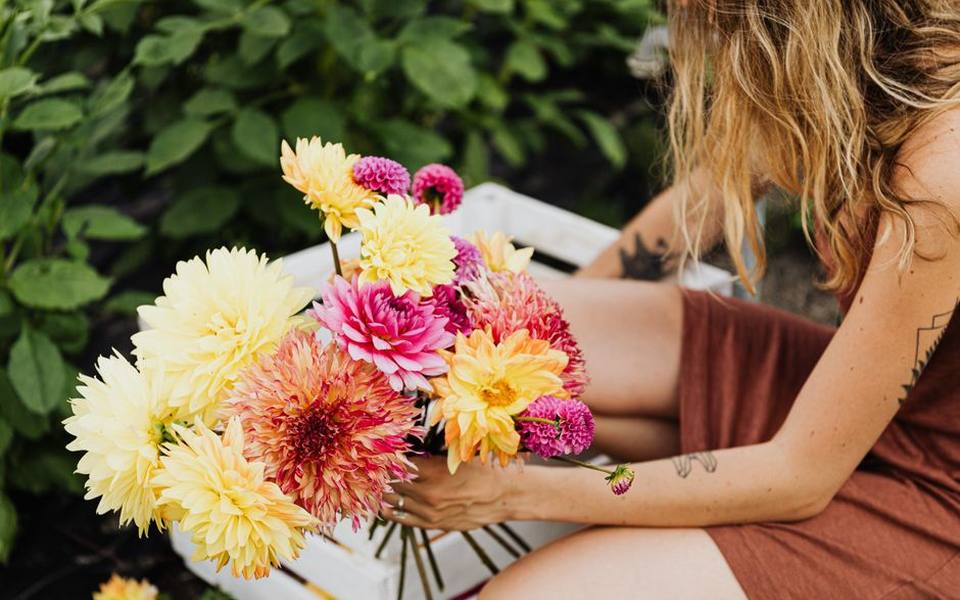
Once home, arrangement longevity depends on proper ongoing care. Keep your centerpiece away from heating vents, sunny window sills, drafty exterior doors, and ripening fruit bowls, which emit ethylene gas that accelerates blossom aging. Changing the water every two days and giving stem ends a small fresh trim can double the display life of field-grown cut flowers.
As individual flowers naturally reach the end of their lifespan, remove them promptly to keep the remaining water clean and bacteria-free. Instructors often encourage students to rearrange what remains into smaller bud vases as the days progress, extending your enjoyment of the harvest across multiple rooms in your home.
Evaluating Farm Class Pricing, Group Sizes, and Inclusions
Pricing for educational farm workshops varies across regions and formats, typically depending on stem counts, vessel quality, and instructor credentials. A basic two-hour community class typically costs between $65 and $125 per person, which usually covers an introduction, a guided walk, all plant materials, and a standard glass or ceramic vessel to take home.
Advanced floral arrangement lessons, specialized wedding intensives, or guest-master workshops can range significantly higher, sometimes between $175 and $400 or more. These premium tiers often include professional-grade shears, heavy ceramic or stone urns, generous harvest privileges, and catered farm-to-table refreshments. When comparing offerings, always confirm whether the vessel and cutting tools are included in the ticket fee or offered as separate purchases.
Class size is another crucial metric to review prior to booking. Small groups of eight to twelve participants ensure personal interaction and hands-on guidance as you place your stems. If a farm packs thirty or more attendees into a single barn session, individual feedback becomes rare, turning the class into an unguided assembly line rather than a true educational experience.
Published 2026-09-21 · reviewed with each rebuild, last September 2026.
Find u-pick farms near you
The directory lists 3,339 u-pick farms by state and city — pick your state or use the “Near me” button in the header.
More guides
-
 Buying
When Is Strawberry Season? Peak Months and U-Pick Picking Guide
-
 Buying
Pumpkin Patch Visitor Guide: Opening Dates, Pricing, and Selection Tips
-
 Buying
How to Pick Ripe Produce: Melons, Roots, Citrus, and Greens
-
 Storage
How to Peel and Preserve Fresh Peaches: Blanching, Freezing, and Variety Tips
-
 Buying
Best Apples for Baking Pies and Cakes: Crispness and Flavor Guide
-
 Buying
What Is Raw Cow Milk? Benefits, Safety Rules, and Sourcing
-
 Buying
Apple Picking Guide: Bushel Measurements, Costs, Storing, and Washing
-
 Money
MoneyBlackberry Farm Pricing Guide: Costs, Accommodations, and Seasonal Farmstead Skills
-
 Buying
A Guide to Shopping Local Farmers Markets, Farm Stands, and CSA Boxes
-
 Buying
Apple Orchard and Cider Mill Guide: U-Pick Apples, Cider, and Fall Treats
-
 Buying
Fall Agritourism Guide: Corn Mazes, Pumpkin Patches, and Autumn Festivals
-
 Buying
U-Pick Flower Fields: Guide to Tulips, Lavender, Sunflowers, and Dahlias
-
 Buying
Agritourism Experiences: Goat Yoga, Farm Stays, and Rustic Barn Venues
-
 Owning
Seasonal Guide to U-Pick Berries and Fruit Orchards: Cherries, Berries, and Peaches
-
 Buying
Fall Agritourism Guide: Pumpkin Patches, Corn Mazes, and Harvest Festivals
-
 Owning
A Complete Guide to U-Pick Fruit Orchards: Berries, Stone Fruit, Citrus, and Vines
-
 Buying
Honey Farm Visits, Local Apiaries, and Raw Honey Buying Guide
-
 Owning
Comprehensive Guide to Fresh Apples, Cider Pressing, and Canning Recipes
-
 Owning
Livestock Feeds and Feeding Equipment Selection Guide
-
 Owning
Fruit Picking Guide: U-Pick Orchards and Harvest Tools
-
 Buying
Flower Farm Guide: U-Pick Fields, Fresh Bouquets, and Workshops