The Appeal of Visiting Cut-Your-Own Flower Fields
Visiting a flower farm gives you access to freshly harvested stems that last significantly longer than supermarket bunches shipped across continents. Commercial cut flowers are often harvested early, chemically treated, and flown across time zones, which strips away natural fragrance and shortens indoor vase life. Walking through open rows allows you to observe blooming stages directly and pick varieties specifically bred for perfume, delicate petals, and diverse textures.
Across the country, growers open their acreage to the public from early spring until the first autumn freeze. Many operations operate on a seasonal calendar, shifting from early spring bulbs to midsummer annuals and late-season tubers. Finding nearby fields through a directory of pick your own farms and orchards helps you coordinate your visit when your preferred varieties are in their peak flowering flush.
Most farms operate on a stem-count or harvest-bucket model. You pay either per individual stem or purchase a standard container that you can fill to capacity. This approach encourages mindful harvesting, letting visitors combine structural branches, focal flowers, and delicate filler foliage into balanced bouquets directly in the field.
Early Spring Bulb Festivals and Tulip Rows
Early spring flower trips typically revolve around cold-hardy bulbs such as tulips, daffodils, and hyacinths. Inspired by classic Dutch agricultural traditions, many domestic growers plant hundreds of thousands of bulbs each autumn to create sweeping, vibrant tapestries by late March or April. These displays offer visitors a brief but stunning window to experience dense color blocks before the heat of summer arrives.
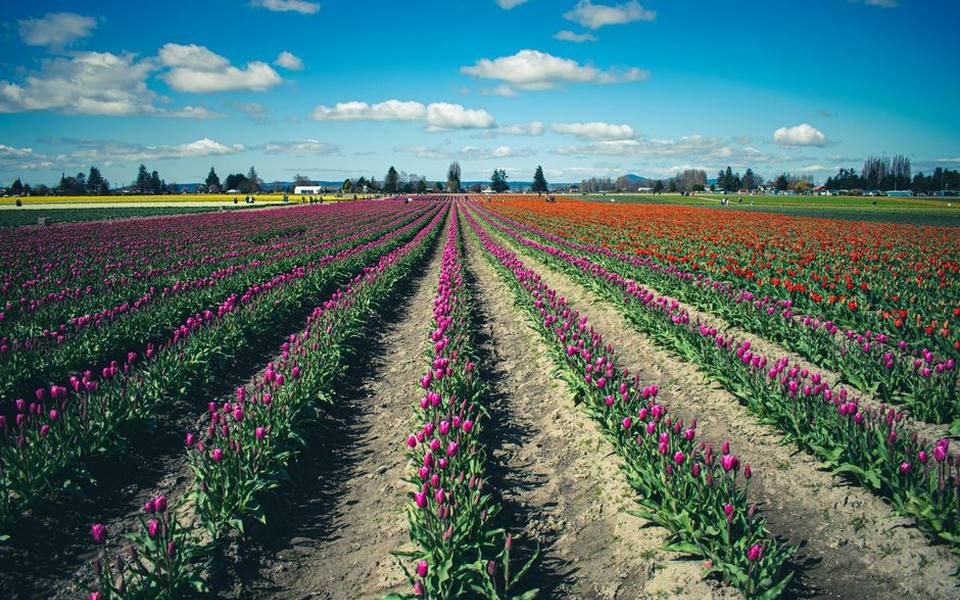
Unlike perennial crops, field-grown tulips are often treated as annuals at commercial harvest operations. Visitors are typically instructed to pull the stem directly from the soil along with the bulb, rather than cutting at ground level. Harvesting the bulb intact preserves stem length and prolongs the bloom's hydration, while the spent bulb can be trimmed away later before placing the flower into water.
Weather plays a decisive role in the timing and duration of early bulb seasons. An unseasonably warm spell can accelerate petal opening and shorten the harvest season to just ten days, whereas cool, overcast conditions preserve the fields for nearly a month. Checking weekly bloom trackers before driving out prevents arriving after petals have already dropped.
Heirloom Farm Roses and Historic Farmstead Varieties
Specialty rose farmsteads focus on garden and heritage varieties that prioritize rich fragrance and complex petal counts over uniform shipping durability. Traditional greenhouse roses sold in retail shops are cultivated for thick stems and rigid petals capable of withstanding refrigeration, but they generally lack the intoxicating perfume found in historical shrub and English garden roses.
When harvesting or purchasing garden roses from a working grower, look for blooms where the outer petals have just begun to relax and unfurl from the central bud. If you harvest a rose when the bud is bullet-hard and green, it may fail to open fully in your vase; conversely, a bloom that is already wide open will shed its petals within two to three days.
Farm-grown roses benefit from careful post-harvest hydration. Removing the lower leaves that would otherwise sit beneath the water line prevents bacterial slime from clogging the stem channels. Cutting the woody stems at a sharp angle allows the flower to draw moisture steadily without sealing itself against the bottom of the vessel.
Midsummer Heat and Abundant Field Annuals
By midsummer, cutting fields transform into dense corridors of heat-loving annuals such as sunflowers, zinnias, cosmos, snapdragons, and celosia. These productive bloomers regenerate quickly after cutting, providing steady supplies of saturated colors throughout July and August. Sunflowers, in particular, serve as popular focal blooms due to their sturdy architecture and diverse palette of bronze, plum, and classic golden heads.
Harvesting in warm weather requires strict attention to the time of day. Visiting during the earliest morning hours or late evening prevents stems from wilting under intense midday sun. Flowers harvested when air temperatures peak lose internal moisture rapidly through transpiration, which often leads to drooping heads and failed bouquets even after being placed in clean water.
Look for branch-forming varieties rather than single-stem plants if you want a diverse mix for tabletop displays. Branching sunflowers yield multiple smaller heads on manageable stems that blend naturally with airy fillers like ammi, basil flowers, and matricaria.
Late-Season Dahlias and Autumn Textures
Dahlias represent the crown jewel of the late-summer and early-autumn flower patch. Renowned for their intricate geometry and expansive scale, dahlia blooms range from miniature button-sized pompons to plate-sized decorative heads. Growers in maritime and temperate microclimates, particularly across coastal regions like those highlighted in guides to u-pick farms in Washington, produce exceptional dahlia fields from August through October.
Unlike many other cutting blooms, dahlias do not continue to open significantly after they are cut from the plant. You should choose stems where the flower is nearly three-quarters to fully open, with firm back petals that show no browning or waterlogging. Checking the back of the dahlia head is the easiest way to assess freshness; crisp green bracts indicate a healthy stem that will hold up indoors.
Late-season farm visits also showcase ornamental grasses, seed pods, and drying foliage that lend an earthy richness to seasonal arrangements. Incorporating textures like sorghum, eucalyptus, and spent rudbeckia cones creates depth that complements the lush, velvety petals of autumn blooms.
Boutique Farm Stands and Direct Bouquet Sourcing
In addition to self-harvest fields, many growers operate on-site farm stands and rural pickup hubs offering ready-tied market bouquets. These arrangements showcase what is blooming at that exact moment on the acreage, avoiding the generic, year-round uniformity of commercial grocery displays. Sourcing bouquets directly supports agricultural land preservation while delivering peak floral longevity.
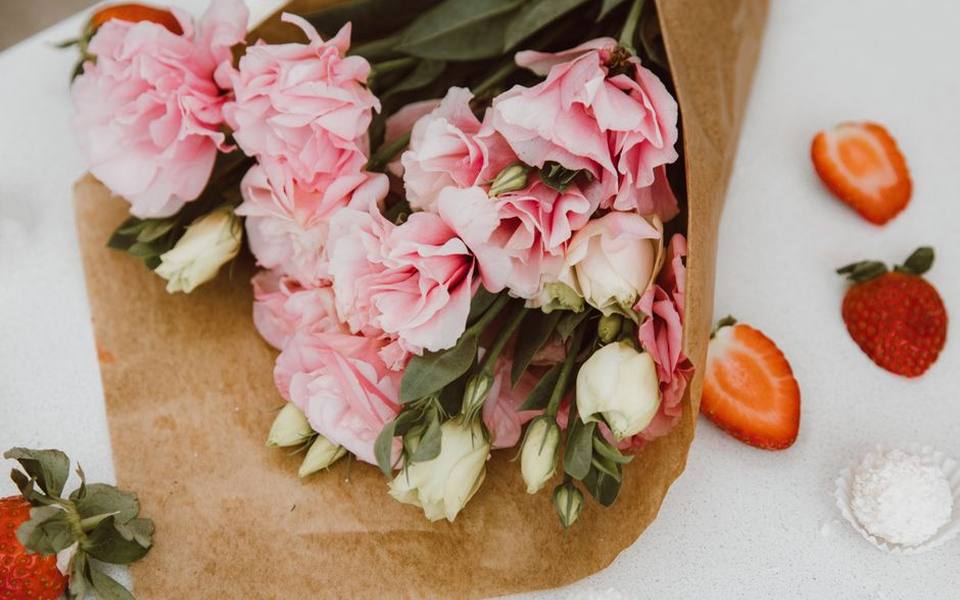
Urban-adjacent agricultural districts, such as the coastal valleys surrounding major metropolitan centers, provide fresh local stems to regional florists and open-air stands. Travelers exploring regional agricultural stops through directories of u-pick farms in California often find distinctive market bouquets wrapped in simple kraft paper or repurposed burlap, highlighting seasonal authenticity.
When purchasing pre-tied bouquets at an unstaffed farm stand, check that the water reservoirs are fresh and clean. A reputable grower will keep buckets protected from direct midday sunlight to ensure that your bouquet has not been subjected to hours of baking in field heat before you arrive.
Hillside Plantings and Cottage Garden Perennials
Certain farmsteads specialize in naturalized hillside plantings and expansive perennial borders rather than row-cropped annuals. These grounds frequently feature historic cottage favorites such as foxgloves, delphiniums, astrantia, peonies, and hardy geraniums. Walking through established perennial grounds provides inspiration for residential gardeners looking to understand plant mature scale and companion layering.
Perennial-focused farms, particularly those in heritage agricultural valleys like those found when visiting u-pick farms in New York, often combine cut-flower fields with mature display gardens and nursery retail. Visitors can observe how different species perform throughout the growing season before purchasing potted divisions or root stock for their own backyard plots.
These hillside farms also provide crucial forage for native pollinators and honeybees. Visiting a diversified farm allows you to witness the ecological role of undisturbed perennial borders, where pest-management relies heavily on predatory insects rather than broad-spectrum sprays.
Floral Design Workshops and Farm Masterclasses
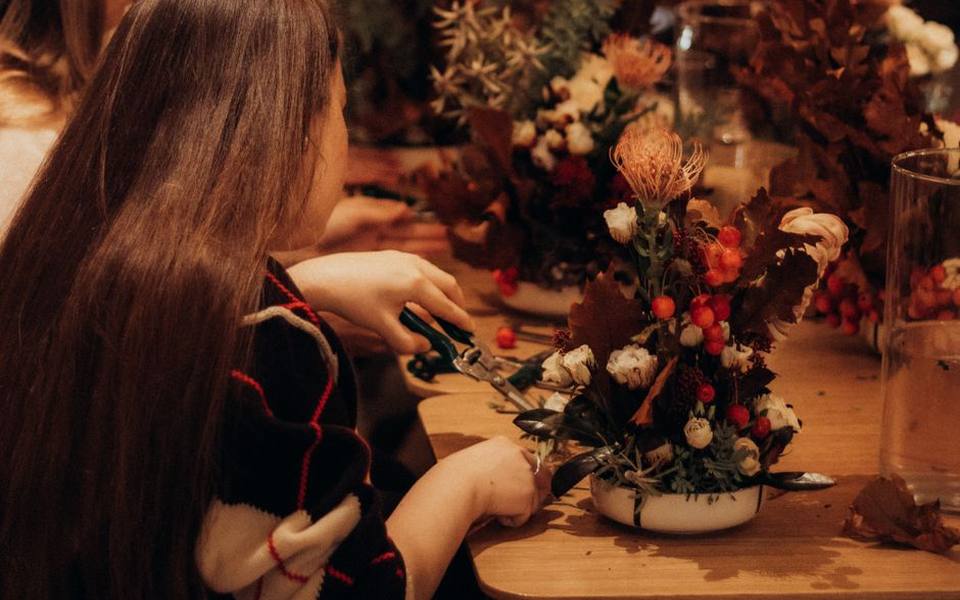
Farm-based floral design workshops have emerged as a rewarding way to connect hands-on harvesting with artistic technique. Led by experienced growers and floral designers, these workshops walk attendees through the foundational principles of color balance, negative space, stem layering, and structural mechanics.
Most classes teach modern, sustainable mechanics that avoid single-use floral foam, which breaks down into harmful microplastics. Students learn to use reusable chicken wire cushions, heavy metal floral frogs, and natural foliage armatures to hold stems securely in ceramic vessels or glass bowls. These techniques allow delicate blooms to drink water freely while maintaining an organic, loose aesthetic.
Participating in a workshop held directly on farm grounds allows you to harvest your own focal blooms and foliage under guided supervision. Instructors explain how to judge stem maturity, select complementary textures, and build dimensional centerpieces that mirror the natural movement of an open meadow.
Post-Harvest Care and Prolonging Vase Longevity
The way you handle your blooms in the first hour after harvesting determines how long they will remain vibrant in your home. Always transport stems inside a climate-controlled vehicle rather than an open truck bed, where wind exposure will dehydrate petals in minutes. If your journey takes longer than an hour, keep the stem ends submerged in water throughout transit.
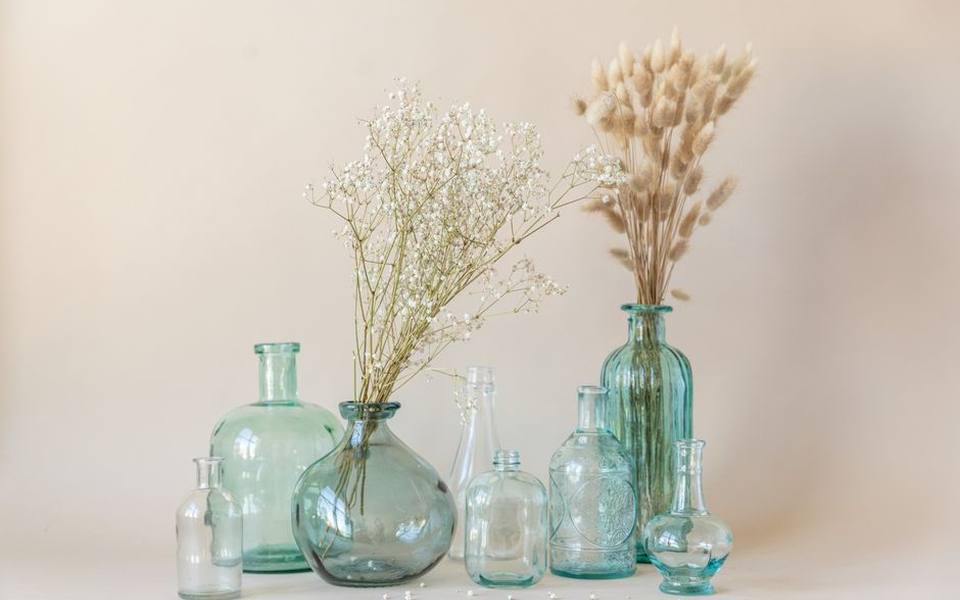
Upon arriving home, re-trim every stem by half an inch using sharp, clean floral shears under cool running water or at a diagonal angle. Remove any foliage that would sit below the rim of the vase, as submerged green leaves decompose rapidly and foster bacterial colonies that block the stem's vascular system.
Vase cleanliness is the most critical factor in cut flower care. Wash your containers thoroughly with soap and warm water until they are clean enough to drink from. Placing your finished arrangement out of direct sunlight and away from ripening fruit, which emits aging ethylene gas, can easily extend vase life by several days.
Field Rules, Proper Attire, and Farm Etiquette
A visit to a working flower farm requires practical preparation to ensure personal comfort and protect the grower's crops. Most operations feature uneven terrain, unpaved dirt lanes, and low irrigation pipes, making sturdy, closed-toe footwear essential. Lightweight pants and wide-brimmed hats provide protection against sun, tall thistle, and wandering honeybees.
While bees and other pollinators are abundant in cut-flower fields, they are focused on collecting nectar and pollen rather than interacting with humans. Moving slowly through rows and leaving working insects undisturbed prevents accidental stings. Farms typically prohibit pets to prevent damage to delicate irrigation drip lines and raised planting beds.
Respecting harvest boundaries is essential for the sustainability of u-pick grounds. Certain rows are frequently flagged as reserved for farm events, seed collection, or future succession growth. Always follow the farmer's guidelines on cutting tools, acceptable picking areas, and designated row paths to ensure these open properties remain healthy for the community.
Published 2026-09-25 · reviewed with each rebuild, last September 2026.
Find u-pick farms near you
The directory lists 3,339 u-pick farms by state and city — pick your state or use the “Near me” button in the header.
More guides
-
 Buying
When Is Strawberry Season? Peak Months and U-Pick Picking Guide
-
 Buying
Pumpkin Patch Visitor Guide: Opening Dates, Pricing, and Selection Tips
-
 Buying
How to Pick Ripe Produce: Melons, Roots, Citrus, and Greens
-
 Storage
How to Peel and Preserve Fresh Peaches: Blanching, Freezing, and Variety Tips
-
 Buying
Best Apples for Baking Pies and Cakes: Crispness and Flavor Guide
-
 Buying
What Is Raw Cow Milk? Benefits, Safety Rules, and Sourcing
-
 Buying
Apple Picking Guide: Bushel Measurements, Costs, Storing, and Washing
-
 Money
MoneyBlackberry Farm Pricing Guide: Costs, Accommodations, and Seasonal Farmstead Skills
-
 Buying
A Guide to Shopping Local Farmers Markets, Farm Stands, and CSA Boxes
-
 Buying
Apple Orchard and Cider Mill Guide: U-Pick Apples, Cider, and Fall Treats
-
 Buying
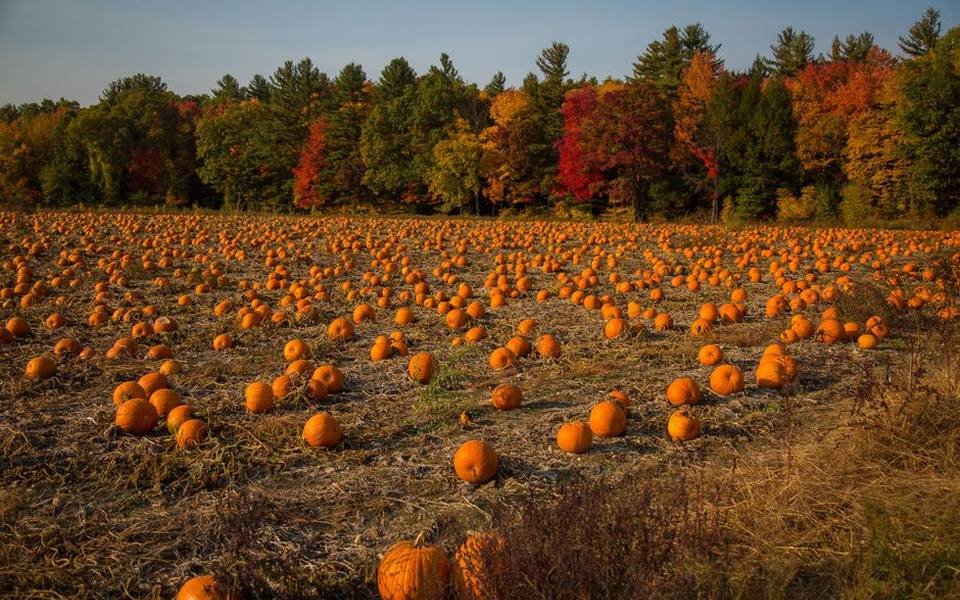
Fall Agritourism Guide: Corn Mazes, Pumpkin Patches, and Autumn Festivals
-
 Buying
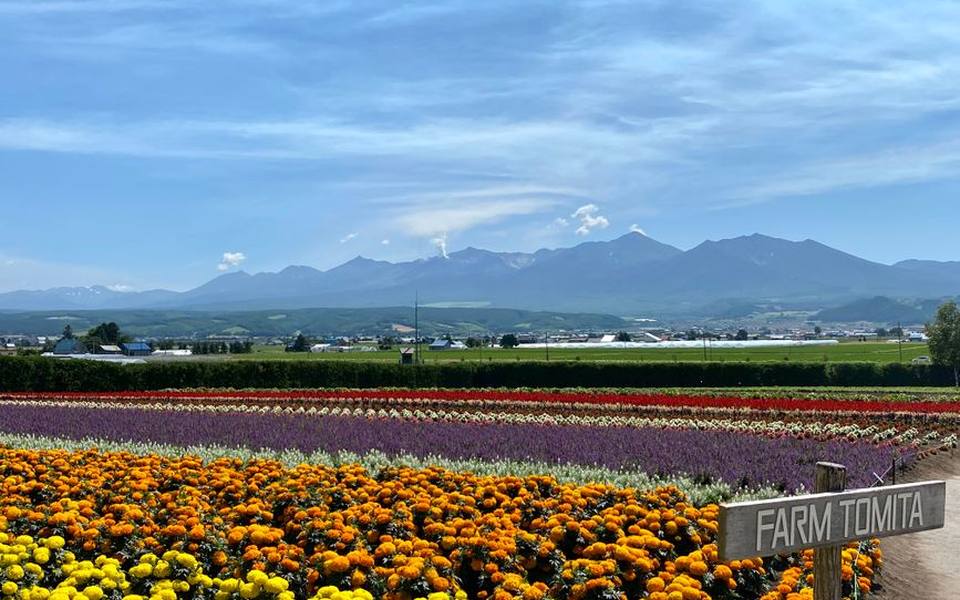
U-Pick Flower Fields: Guide to Tulips, Lavender, Sunflowers, and Dahlias
-
 Buying
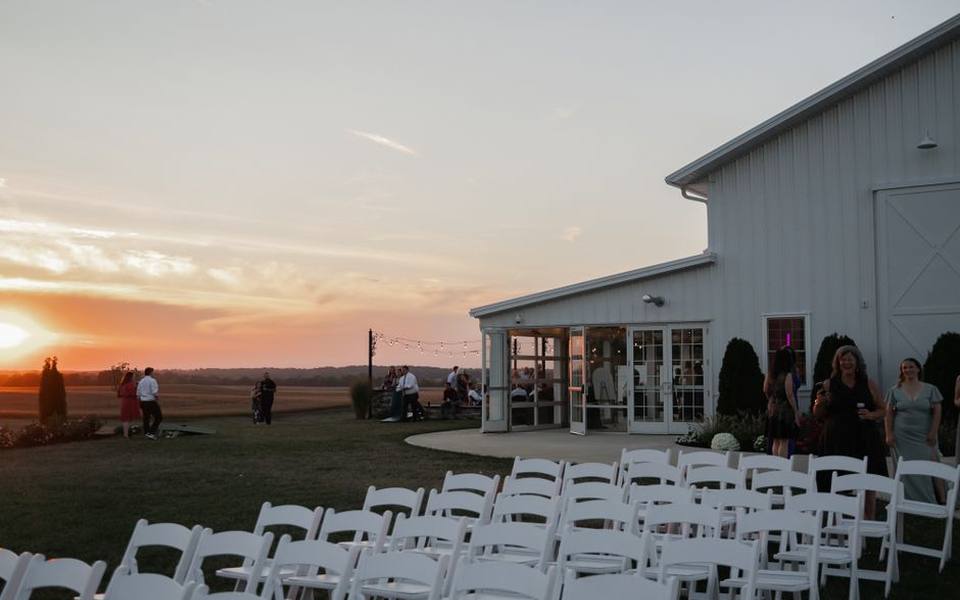
Agritourism Experiences: Goat Yoga, Farm Stays, and Rustic Barn Venues
-
 Owning
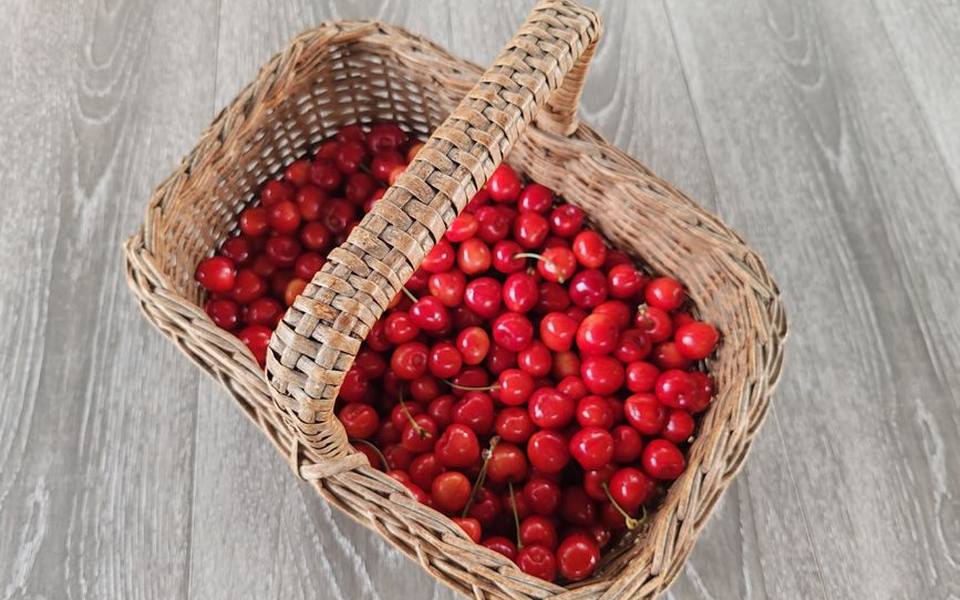
Seasonal Guide to U-Pick Berries and Fruit Orchards: Cherries, Berries, and Peaches
-
 Buying
Fall Agritourism Guide: Pumpkin Patches, Corn Mazes, and Harvest Festivals
-
 Owning
On-Farm Floral Workshops and Flower Arrangement Classes Guide
-
 Owning
A Complete Guide to U-Pick Fruit Orchards: Berries, Stone Fruit, Citrus, and Vines
-
 Buying
Honey Farm Visits, Local Apiaries, and Raw Honey Buying Guide
-
 Owning
Comprehensive Guide to Fresh Apples, Cider Pressing, and Canning Recipes
-
 Owning
Livestock Feeds and Feeding Equipment Selection Guide
-
 Owning
Fruit Picking Guide: U-Pick Orchards and Harvest Tools