The Core Rules of Heat, Texture, and Balance in Baked Fruit
The best apples for baking strike an exacting balance between firm cellular structure and a lively ratio of acid to sugar. When exposed to oven temperatures typically hovering between 350 and 425 degrees Fahrenheit, the pectin holding plant cell walls together begins to dissolve. Varieties lacking sufficient acidity and dense flesh collapse into a loose puree within twenty minutes, leaving your baked goods soggy. A proper baking cultivar withstands sustained heat, softening just enough to yield to a dessert fork while maintaining defined slices and clean layers.
Acidity plays a biochemical role that goes far beyond taste alone. Malic acid reinforces pectin chains, slowing their thermal breakdown and preventing the fruit from turning into mush before your pastry crust finishes browning. Highly acidic apples also cut through heavy fats like butter, lard, and brown sugar, brightening the finished dessert. When selecting produce from pick your own farms and orchards, checking both flesh firmness and tartness will instantly indicate how the fruit will behave in your kitchen.
Moisture management represents the third critical variable in pastry success. Certain modern eating cultivars carry exceptionally high water percentages designed for an explosive, juicy crunch when bitten raw. In a sealed pie shell or a dense cake batter, that excess juice turns into trapped steam, turning crusts soggy or creating hollow cavities beneath top crusts. Successful home bakers frequently combine two or three complementary varieties, pairing a very dry, firm variety with a slightly juicier, highly aromatic one to create a harmonious filling.
Choosing the Right Varieties for Traditional Deep-Dish Pies
Creating a pie filling that stays stacked upon slicing requires cultivars celebrated for structural integrity. Granny Smith remains the standard grocery baseline because its intense tartness and dense fiber hold up under extended heat without collapsing. However, relying entirely on one tart green cultivar can produce a flat, one-dimensional filling that requires heavy white sugar to become palatable. Many historic favorites grown across heritage orchards offer far deeper complexity without sacrificing firmness.
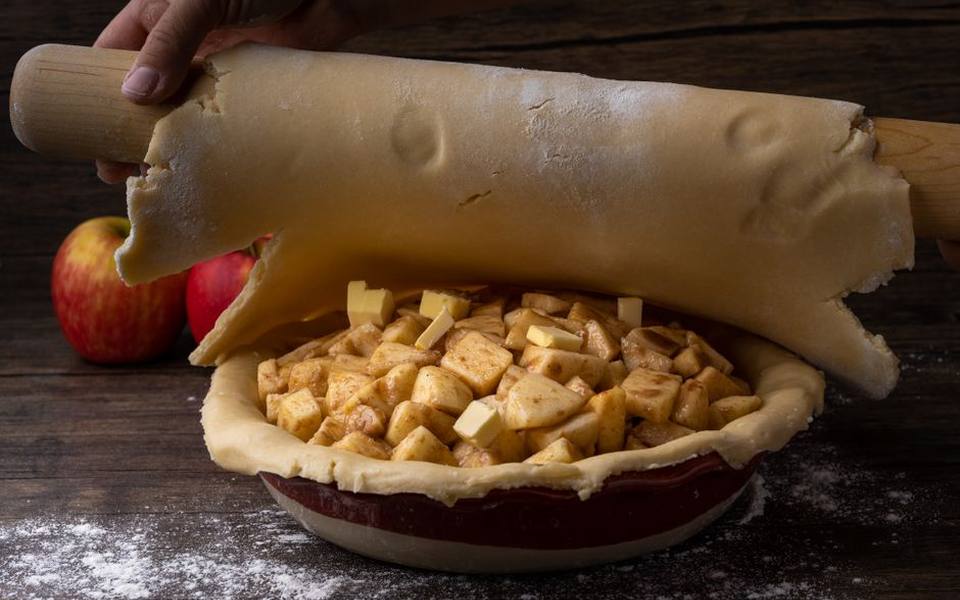
Northern Spy has long been revered across northern orchards as one of the finest pie varieties in existence. It carries a sharp, vinous flavor and remarkable density that softens into a tender, buttery consistency without losing its cut lines. Similarly, Jonagold brings an ideal genetic heritage, blending the sweetness of Golden Delicious with the structural snap and acidity of Jonathan. Slices of Jonagold retain their individual identity inside a double crust while releasing an amber syrup that thickens neatly with modest starch additions.
Braeburn and Winesap also rank near the top for deep-dish baking. Braeburn offers notes of warm nutmeg and cinnamon even before spices are added, holding tight edges throughout an hour of baking. Winesap delivers an assertive, cider-like bite that pairs wonderfully with rich butter crusts. Combining two parts firm-tart fruit like Northern Spy or Granny Smith with one part firm-sweet fruit like Jonagold produces an exceptional pie filling with nuanced sweetness, bright aromatics, and zero structural collapse.
Slicing into Sponges and Loaves: What Holds Up in Cakes
Baking cakes with fresh fruit presents distinct structural challenges compared to assembling enclosed pies. In upside-down cakes, spiced bundt loaves, or traditional Jewish apple cakes, the fruit shares space with a delicate batter that must rise evenly. If your fruit sheds too much liquid during baking, the batter immediately surrounding the pieces becomes gummy, developing an unbaked, pasty ring. The goal here is fruit that softens into a melting tenderness while releasing controlled moisture.
Cortland is a standout selection for folding into cake batters and loaf pans. A relative of the McIntosh, Cortland possesses a snow-white flesh that resists browning on the cutting board and softens smoothly in cake crumb without liquefying. Its moderate sweetness integrates effortlessly into cinnamon, cardamom, or ginger spice blends. Because Cortland slices become tender slightly faster than rock-hard winter keepers, they match the thirty-to-forty-minute baking time of standard sheet cakes without leaving crunchy, uncooked fruit pockets.
For cakes featuring exposed apple rings on top, such as French tarts or skillet cakes, consider Pink Lady or Golden Delicious. Pink Lady offers a bright pink blush, high acid, and dense cell walls that keep decorative arrangements sharp and beautiful through caramelization. Golden Delicious, while often too soft for a high-moisture pie, performs reliably in dry cake batters because its natural pectin melts into a silky sweetness that blends seamlessly into the crumb, lending richness without pooling excess water.
Honeycrisp versus Gala in the Kitchen Environment
Home cooks frequently debate the merits of Honeycrisp and Gala because both dominate modern supermarket displays and autumn farm stands. While both are exceptional hand-held eating apples, their reactions to oven heat differ dramatically. Honeycrisp was bred specifically for giant, thin-walled cells that rupture cleanly when chewed, releasing immediate juice. When baked alone in a pie, those fragile cell walls rupture rapidly, shedding substantial liquid into the crust while leaving behind fragmented, slightly rubbery fruit shreds.
Gala, by comparison, features a milder, mellow profile with floral sweetness and very low acidity. Under sustained oven temperatures, Gala softens quickly. In an apple pie, it tends to dissolve into a thick, sweet applesauce, robbing the slice of textural interest. If you find yourself working with Gala, use it for quick-cooking applications like morning muffins, rolled yeast doughs, or rustic turnovers where a soft, jam-like texture is desired rather than a firm, sliceable wedge.
If you must bake with these popular cultivars, strategic pairing is key. Honeycrisp can function in a pie filling only if diced finely and paired with a dry, dense variety that absorbs liquid, accompanied by an extra tablespoon of cornstarch or tapioca flour. Gala requires a heavy splash of fresh lemon juice and a blending partner with high acidity to keep the dessert from tasting flat and sugary. For pie perfection, however, seasoned bakers generally leave both in the fruit basket.
Understanding the Fuji Profile and Its Cooking Performance
The Fuji apple, originally developed in Japan during the late 1930s as a cross between Red Delicious and Virginia Ralls Janet, is prized globally for its dense crunch and high sugar levels. Its flesh is notably compact, fine-grained, and sweet, often displaying a dull red wash over a yellow-green background. Because it matures late in the season, Fuji holds up exceptionally well during long cold storage, maintaining its crisp snap well into the spring months when other varieties turn mealy.
In the kitchen, Fuji behaves as an unconventional baking candidate. Its flesh is exceptionally heat-resistant; slices baked for an hour will stay noticeably firm, sometimes retaining an unexpected crunch that some find jarring in a traditional custard or soft pie. Furthermore, its natural acidity is relatively low, meaning that when its sugars concentrate under oven heat, the resulting flavor is intensely sweet without the tart counterbalance that gives classic baked apple desserts their mouthwatering character.
Fuji shines brightest in recipes where structural crunch must survive quick cooking without releasing runaway moisture. It excels when cut into thin batons for baked strudels, sautéed briefly in butter for skillet pancakes, or chopped into savory autumn stuffing alongside toasted nuts and herbs. When sourcing fresh bushel boxes at commercial orchards in Washington, keep Fuji targeted toward fresh salads, snacking, and quick pan-roasting rather than whole baked deep-dish pies.
Selecting Red Varieties That Keep Their Shape Under Heat
Many grocery shoppers assume that bright red cultivars are interchangeable, but their baking performance spans from exceptional to disastrous. Red Delicious, while visually iconic, represents the worst possible choice for baking. Its coarse flesh collapses into mush within fifteen minutes of heating, leaving behind tough, leathery peels and a watery, flavorless puddle. Fortunately, several authentic red baking varieties deliver gorgeous color alongside robust culinary performance.
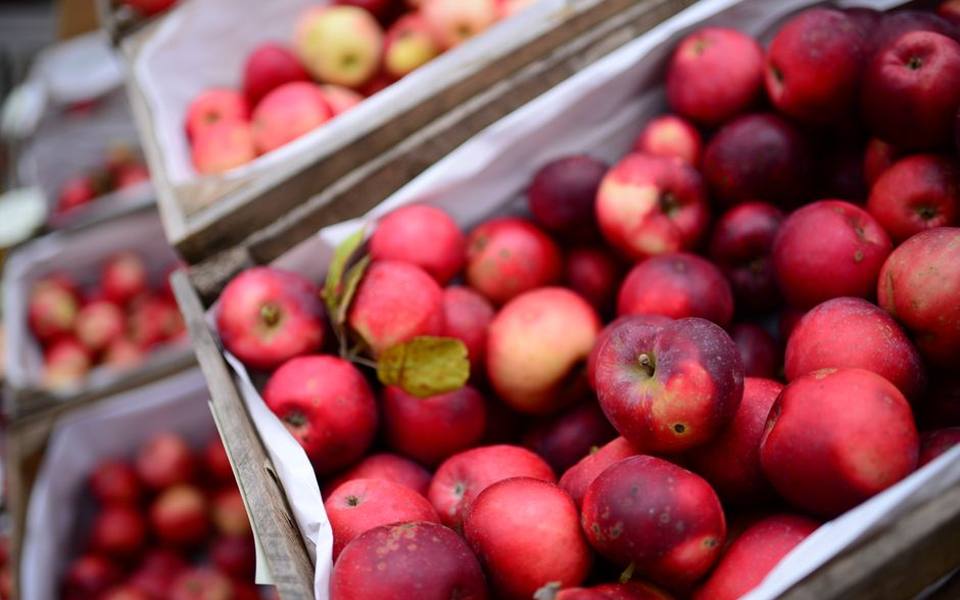
Rome Beauty, often simply called the Rome apple, has stood as an American baking staple for generations. Recognized by its deep, rounded red skin and firm white flesh, Rome was bred almost exclusively for culinary duty. When baked whole in the oven with butter, oats, and brown sugar, Rome retains its spherical shape perfectly, the peel holding the meat together without bursting. While somewhat mild when eaten raw, heat coaxes out a pleasant floral aroma and smooth, velvety texture.
Jonathan and Idared provide two additional red options with superior cooking credentials. Jonathan is a medium-sized, crimson fruit with an assertive, spicy tang that holds up reliably in both pies and baked puddings, especially throughout the Midwest and heritage orchards in New York. Idared features bright red skin over fine-grained flesh that takes on a lovely pink tint when cooked with the peels left on. Both varieties hold their form, offering rich red alternatives to pale green baking standards.
Savory Skillets and Slow Roasts: Fruit for the Stovetop
Cooking with fruit extends beyond pastries and sugar syrups into savory dinners, pan sauces, and slow braises. Pairing pork chops, roasted poultry, or braised red cabbage with sweet-tart fruit requires an apple that tolerates direct stovetop heat without dissolving into puree within minutes. Sautéing slices in cast iron alongside shallots and herbs demands dense cellular tissue and enough acid to cut through rich animal fats.
Golden Delicious proves surprisingly effective in skillet duty. When cooked rapidly in hot butter over medium-high heat, its sugars caramelize quickly, forming a golden crust while the center softens into a delicate, custard-like texture. Because stovetop searing takes less time than deep-dish pie baking, Golden Delicious reaches tenderness without disintegrating into baby food. It provides a sweet, mild foil for seared pork tenderloin, roasted sausages, or sharp aged cheddar melts.
For long, slow braises such as pork shoulder or braised duck, reach for intensely firm, acidic options like Granny Smith, Mutsu (Crispin), or stayman-winesap. Mutsu, an offspring of Golden Delicious and Indo, possesses a dense, honeyed flesh that resists softening even during forty-five minutes in a Dutch oven with cider and stock. Finding these multipurpose culinary varieties is easy when touring farm stands across Michigan, where orchardists cultivate historic varieties specifically for cool-weather braising.
Preparing Orchard Fruit: Safe and Thorough Washing Practices
Bringing home freshly harvested fruit straight from the tree means encountering orchard dust, wild yeasts, beneficial insects, and occasional mineral residues. Farm-picked produce does not undergo the commercial processing, chemical detergents, or synthetic wax dips used in high-volume grocery packing houses. While this ensures a pure, natural flavor, proper cleaning before peeling, slicing, or eating remains a fundamental food hygiene step for every household.
The most reliable method for cleaning farm-fresh apples involves a brief soak in an alkaline solution. Research shows that soaking firm fruit for ten to fifteen minutes in a mixture of one teaspoon of baking soda per two cups of cool water removes surface dirt, field residues, and microbes far more effectively than plain running tap water. Submerge the fruit in a clean basin, agitate gently by hand, and allow the gentle abrasive and alkaline properties of the sodium bicarbonate to lift surface contaminants.
After the soak, rinse each apple thoroughly under cool, running water while rubbing the surface with clean hands or a soft natural-bristle produce brush. Avoid using commercial dish detergents or bleach solutions, as apple skins are porous and can absorb cleaning chemicals directly into the outer flesh. Dry the fruit thoroughly with clean cloth towels before storing or peeling; lingering moisture encourages mold growth and softens the protective natural cuticle of the fruit.
Protecting Field Strawberries from Spoilage After the Harvest
While visiting country orchards for tree fruit, many visitors pick seasonal field berries that require entirely different post-harvest care. Freshly picked strawberries are notoriously perishable because they lack a protective rind and carry high surface moisture alongside delicate sugar structures. Unlike tree fruit, strawberries cease ripening the moment they are severed from the plant; left at room temperature on a sunny kitchen counter, fresh berries can begin molding within twenty-four to thirty-six hours.
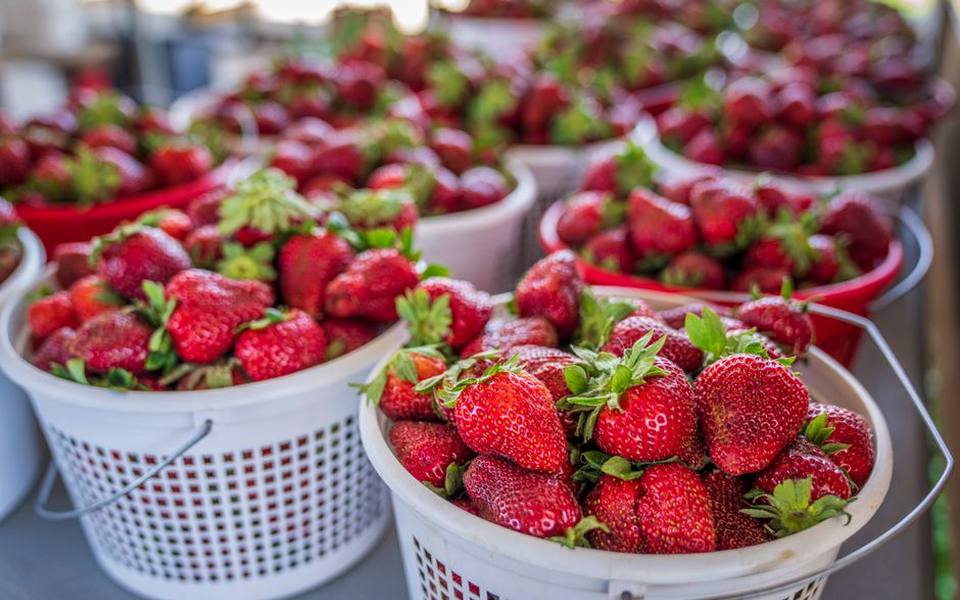
The golden rule of strawberry storage is to withhold washing until immediately before you eat or cook with them. Water introduced to the stem caps or soft skin encourages botrytis cinerea, commonly known as gray mold, to spread rapidly through the flat. Immediately upon arriving home, sort through your harvest gently, setting aside any bruised, soft, or leaking berries for immediate consumption or the jam pot, ensuring they do not contaminate the rest of the batch.
Store intact berries in a shallow, breathable container lined with dry paper towels to absorb ambient humidity. Avoid sealing them inside airtight plastic bags, which trap condensation and suffocate the fruit. Place the lined container in the main compartment of your refrigerator rather than the humid crisper drawer, keeping the temperature between 34 and 38 degrees Fahrenheit. Stored this way, freshly picked berries typically maintain peak firmness and vibrant flavor for five to seven days.
Preserving the Farm Surplus: Mastering Small-Batch Berry Jam
When an afternoon of field picking leaves you with more sweet fruit than your household can eat fresh, making small-batch jam is the simplest path to preservation. The basic science of jam making relies on three pillars: fruit, acid, and sugar. While tart tree fruit contains natural pectin, ripe berries carry low to moderate pectin levels. Balancing these elements allows you to transform farm berries, including harvests from u-pick blueberry farms, into rich, spreadable preserves with vibrant, summery flavor.
Begin by hulling and gently crushing your berries in a wide, heavy-bottomed stainless steel saucepan. For every four cups of crushed fruit, incorporate roughly three cups of granulated sugar and two tablespoons of freshly squeezed lemon juice. The lemon juice lowers the pH of the mixture, which is essential for activating pectin and achieving a stable set, while balancing the rich fruit sugars. Macerating the crushed berries in the sugar for thirty minutes before heating draws out juices and preserves the fruit's bright red hue.
Bring the mixture to a vigorous, rolling boil over medium-high heat, stirring constantly to prevent scorching along the bottom edges. A wide pan accelerates water evaporation, reducing the cooking time needed to reach the standard gelling point of 220 degrees Fahrenheit. Test the consistency using the chilled plate method: spoon a few drops onto a plate chilled in the freezer, wait thirty seconds, and nudge the edge with your finger. If it wrinkles softly rather than running like syrup, your jam is finished and ready for sterile jars.
Published 2026-09-20 · reviewed with each rebuild, last September 2026.
Find u-pick farms near you
The directory lists 3,339 u-pick farms by state and city — pick your state or use the “Near me” button in the header.
More guides
-
 Buying
When Is Strawberry Season? Peak Months and U-Pick Picking Guide
-
 Buying
Pumpkin Patch Visitor Guide: Opening Dates, Pricing, and Selection Tips
-
 Buying
How to Pick Ripe Produce: Melons, Roots, Citrus, and Greens
-
 Storage
How to Peel and Preserve Fresh Peaches: Blanching, Freezing, and Variety Tips
-
 Buying
What Is Raw Cow Milk? Benefits, Safety Rules, and Sourcing
-
 Buying
Apple Picking Guide: Bushel Measurements, Costs, Storing, and Washing
-
 Money
MoneyBlackberry Farm Pricing Guide: Costs, Accommodations, and Seasonal Farmstead Skills
-
 Buying
A Guide to Shopping Local Farmers Markets, Farm Stands, and CSA Boxes
-
 Buying
Apple Orchard and Cider Mill Guide: U-Pick Apples, Cider, and Fall Treats
-
 Buying
Fall Agritourism Guide: Corn Mazes, Pumpkin Patches, and Autumn Festivals
-
 Buying
U-Pick Flower Fields: Guide to Tulips, Lavender, Sunflowers, and Dahlias
-
 Buying
Agritourism Experiences: Goat Yoga, Farm Stays, and Rustic Barn Venues
-
 Owning
Seasonal Guide to U-Pick Berries and Fruit Orchards: Cherries, Berries, and Peaches
-
 Buying
Fall Agritourism Guide: Pumpkin Patches, Corn Mazes, and Harvest Festivals
-
 Owning
On-Farm Floral Workshops and Flower Arrangement Classes Guide
-
 Owning
A Complete Guide to U-Pick Fruit Orchards: Berries, Stone Fruit, Citrus, and Vines
-
 Buying
Honey Farm Visits, Local Apiaries, and Raw Honey Buying Guide
-
 Owning
Comprehensive Guide to Fresh Apples, Cider Pressing, and Canning Recipes
-
 Owning
Livestock Feeds and Feeding Equipment Selection Guide
-
 Owning
Fruit Picking Guide: U-Pick Orchards and Harvest Tools
-
 Buying
Flower Farm Guide: U-Pick Fields, Fresh Bouquets, and Workshops